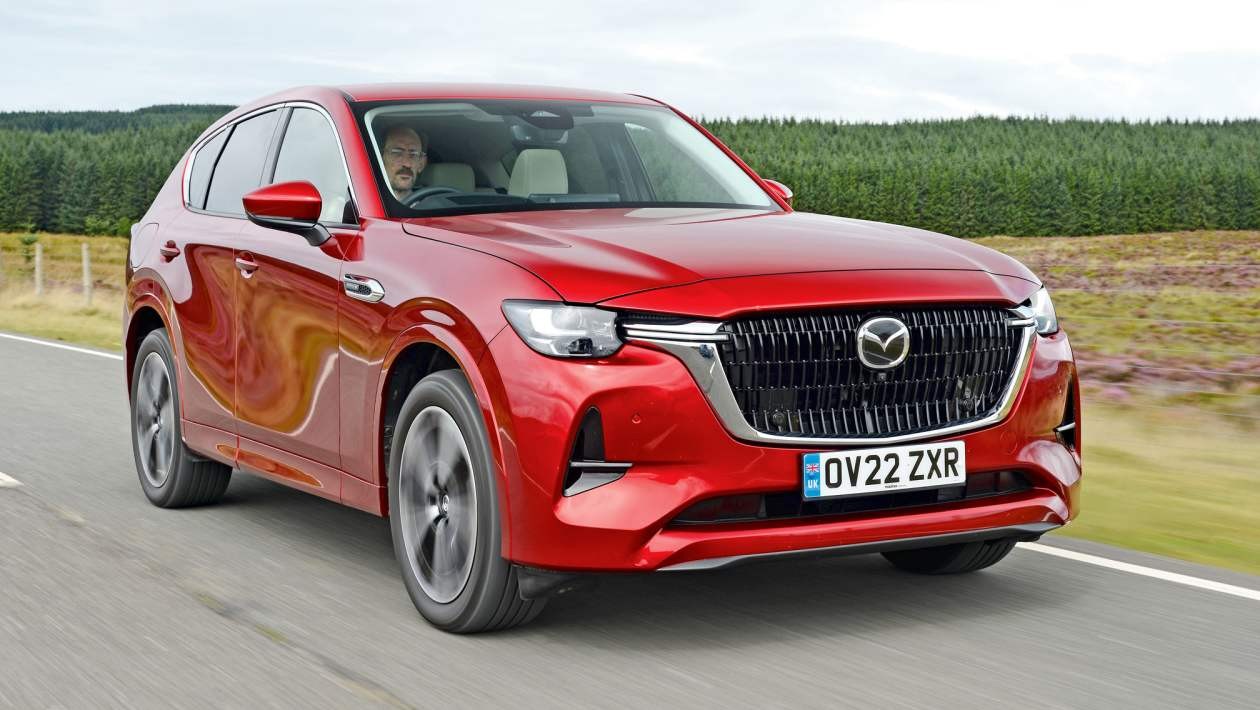
The Mazda CX-60 entered the market with ambitious goals: to challenge established premium giants like BMW and Mercedes-Benz with a vehicle that combined high-end aesthetics, a luxurious cabin, and Mazda’s signature driving dynamics. Launched in 2022 as the brand’s first truly premium SUV and its first plug-in hybrid (PHEV), the CX-60 has since carved out a niche for buyers seeking style and substance without the traditional luxury tax.
Today, the used market offers compelling value. Prices have settled into a range that makes this sophisticated SUV accessible to a broader audience. However, potential buyers must navigate a landscape of varying powertrains, evolving build quality, and specific technical quirks. The key to a smart purchase lies in distinguishing between early production models and the improved, facelifted versions.
The Verdict: Is It Worth the Buy?
Yes, but with conditions. The CX-60 excels in interior quality, spaciousness, and design. It offers a compelling alternative to German rivals, particularly for those who prioritize cabin ambiance and aesthetics over raw driving performance.
However, it is not without flaws. Early models suffered from a fidgety ride and unpolished handling. The PHEV powertrain, while efficient, lacks immediate urgency from a standstill and can be noisy under hard acceleration. Diesel variants offer better refinement but come with higher running costs.
The crucial differentiator is the facelift. Models updated in summer 2025 (and those with retrofitted suspension parts) offer significantly improved ride comfort and handling. For the used buyer, seeking out these later examples—or verifying that suspension upgrades have been performed—is the single most important factor in ensuring satisfaction.
Powertrain Choices: Diesel vs. Plug-In Hybrid
The CX-60 is available in two distinct flavors, each with its own strengths and weaknesses.
1. The Plug-In Hybrid (PHEV)
- Specs: 2.5-litre four-cylinder petrol engine + 17.8kWh battery + 134bhp electric motor. Total output: 322bhp.
- Pros: Lower servicing costs, access to low-emission zones, and a wider selection of used models on the market.
- Cons: The transition between electric and petrol power can feel disjointed. Acceleration from a standstill lacks urgency, and engine noise is prominent when the battery is depleted.
- Real-World Range: While Mazda claims up to 42 miles of electric range in urban settings, real-world testing typically yields 30–36 miles. This is sufficient for daily commutes but may fall short for longer trips without charging.
2. The Diesel (e-Skyactiv D)
- Specs: 3.3-litre six-cylinder engine with mild-hybrid technology. Available in 197bhp (RWD) and 250bhp (AWD) variants.
- Pros: Smoother power delivery, better refinement at motorway speeds, and strong towing capability.
- Cons: Higher fuel consumption and significantly higher servicing costs compared to the PHEV. The entry-level 197bhp version feels underpowered; the 250bhp variant is strongly recommended for a more engaging drive.
- Efficiency: Mazda claims up to 55mpg. Independent testing has averaged around 51.4mpg, which is respectable for a vehicle of this size.
Recommendation: For most buyers, the PHEV makes more sense due to lower running costs and broader availability. However, if you frequently tow heavy loads or drive long distances without access to charging, the 250bhp Diesel is the more practical choice.
Interior, Technology, and Practicality
The CX-60’s cabin is its strongest asset. Mazda has invested heavily in materials and design, creating an environment that rivals cars costing £10,000 more.
- Space: Rear passengers enjoy ample legroom and headroom. The boot offers 570 litres of space, expanding to 1,726 litres with the rear seats folded. This is competitive within the mid-size SUV segment.
- Trim Levels:
- Exclusive-Line: The entry-level trim is well-equipped, featuring leather seats, heated front seats and steering wheel, a head-up display, and a powered tailgate.
- Homura: Adds ventilated front seats, heated rear seats, 20-inch wheels, and a Bose sound system.
- Takumi: The top-tier trim features white Nappa leather and a panoramic glass roof (standard on diesels, optional on PHEVs). The lighter interior creates a more airy, premium feel.
- Homura Plus & Takumi Plus (2025+): Introduced in 2025, these trims add a 360-degree camera, adaptive LED headlights, and advanced safety features like adaptive cruise control.
Technology: The infotainment system is user-friendly, though some competitors offer more intuitive touchscreens. The head-up display and clear instrument cluster help mitigate this.
Driving Experience: The Facelift Matters
Pre-facelift CX-60s (2022–2025) received mixed reviews for their ride and handling. The suspension setup was often described as “fidgety” on rough roads, with a tendency to feel “wallowy” in corners. The eight-speed automatic gearbox, while smooth in theory, sometimes lacked precision in gear selection.
The 2025 Update: Mazda addressed these issues with a recalibrated rear suspension and updated damping. Owners and reviewers report a noticeable improvement in ride comfort and stability.
- If buying a pre-facelift model: Check if the owner has retrofitted the later suspension parts. Many owners have found this upgrade to be “well worth it,” significantly enhancing the driving experience.
- Steering and Brakes: Across all models, steering is accurate and well-weighted, and brake response is good. Motorway refinement is decent, though not class-leading.
Ownership Costs and Reliability
Running Costs
- Servicing: All CX-60s require servicing every 12 months or 12,500 miles.
- PHEV: Costs range from £200 to £340 per service.
- Diesel: Costs are higher, starting at £355 and potentially reaching £738 for major services, with an average of around £500.
- Tax (VED): All CX-60s were priced above £40,000 when new. This means they incur an annual £200 VED bill plus a £440 “expensive car supplement” for the first five years after registration. This is a significant ongoing cost to consider.
- Insurance: PHEVs typically fall into groups 38–39, while diesels range from 33–39. Premiums will vary based on driver profile and location.
Warranty and Recalls
- Warranty: Vehicles registered before September 1, 2025, come with a 3-year/60,000-mile warranty. Models registered from this date onwards benefit from an extended 6-year/100,000-mile guarantee.
- Recalls: Mazda has issued 11 recalls for the CX-60, which is notable for a brand known for reliability. Key issues include:
- Faulty optional alloy wheels (March 2023).
- Instrument cluster failures and stop/start software bugs (April 2023).
- Engine shutdown or failure to start issues (November 2023).
- Sub-standard steering racks (January 2024).
- Electric motor clutch engagement issues (August 2024).
- Dashboard warning light malfunctions (November 2024).
- Action: Always verify that all recall work has been completed before purchasing.
Market Position and Alternatives
The CX-60 competes in a crowded mid-size premium SUV segment. Its main rivals include:
- Audi Q5 & BMW X3: The benchmark competitors. They offer superior driving dynamics, more refined powertrains, and highly intuitive technology. However, they often come at a higher used price point.
- Mercedes GLC & Lexus NX: These rivals emphasize luxury and comfort. The GLC offers a more plush ride, while the NX provides exceptional reliability and hybrid efficiency.
- Alfa Romeo Stelvio: An aging but still stylish option for those who prioritize driving fun over practicality.
- Porsche Macan: The dynamic leader in the class, but significantly more expensive to buy and run.
- Genesis GV70: A left-field alternative offering generous equipment and warranty coverage.
What to Look For When Buying
- Facelift Status: Prioritize post-summer 2025 models for the improved suspension. If buying an earlier model, check for retrofit suspension parts.
- Recall History: Ensure all 11 recalls have been addressed. Request documentation from the dealer or previous owner.
- Powertrain Choice: For the best balance of cost and usability, opt for the PHEV. If you need towing power, choose the 250bhp Diesel.
- Trim Level: The Homura trim offers the best value, adding key comfort features like ventilated seats and a better sound system over the Exclusive-Line.
- Service History: Given the higher servicing costs for diesels, a full service history is crucial to avoid unexpected expenses.
Conclusion
The used Mazda CX-60 is a compelling proposition for buyers who value design, interior quality, and brand individuality over outright driving performance. While early models had suspension and software teething problems, the facelifted versions and retrofitted upgrades have largely resolved these issues. With careful selection—prioritizing post-2025 models or verified suspension upgrades—the CX-60 offers a premium experience at a price point that is hard to resist. Just be mindful of the long-term tax implications and ensure all recall work is completed before handing over the keys.