The outbreak of conflict in Iran has triggered a dramatic and immediate shift in consumer behavior across Europe. As geopolitical tensions block key oil shipping routes and drive fuel prices to historic highs, car manufacturers are witnessing a surge in demand for electric vehicles (EVs). Buyers, facing significantly higher running costs for traditional internal combustion engine (ICE) cars, are rapidly pivoting toward electrified alternatives.
This trend is not merely a temporary reaction to high pump prices; it represents a seismic shift in market momentum, with major automakers reporting record inquiry levels and sales spikes. However, the long-term sustainability of this boom remains uncertain, hanging in the balance of how long the geopolitical crisis persists.
The Economic Reality for Drivers
The primary driver behind this surge is simple economics. Since the start of the conflict in February, the blockage of the Strait of Hormuz—a critical chokepoint for Middle Eastern oil—has sent energy prices soaring. According to data from the RAC, petrol prices have risen by 24.3 pence per litre, while diesel has jumped by 46.5 pence per litre.
For the average motorist, these percentages translate into painful monthly outlays:
* Filling a standard 50-litre tank now costs £12 more for petrol cars.
* Diesel car owners face an additional £23 per fill-up.
Renault UK Managing Director Adam Wood notes that this cost disparity has fundamentally altered the value proposition of electric vehicles. “Interest in electric vehicles has undergone a seismic shift upwards following the spike in oil prices,” Wood stated. He calculates that switching to an EV can now save drivers approximately £650 per year compared to continuing with petrol or diesel.
Manufacturers Ride the Wave
Major automotive groups are already seeing tangible results from this shift in consumer sentiment.
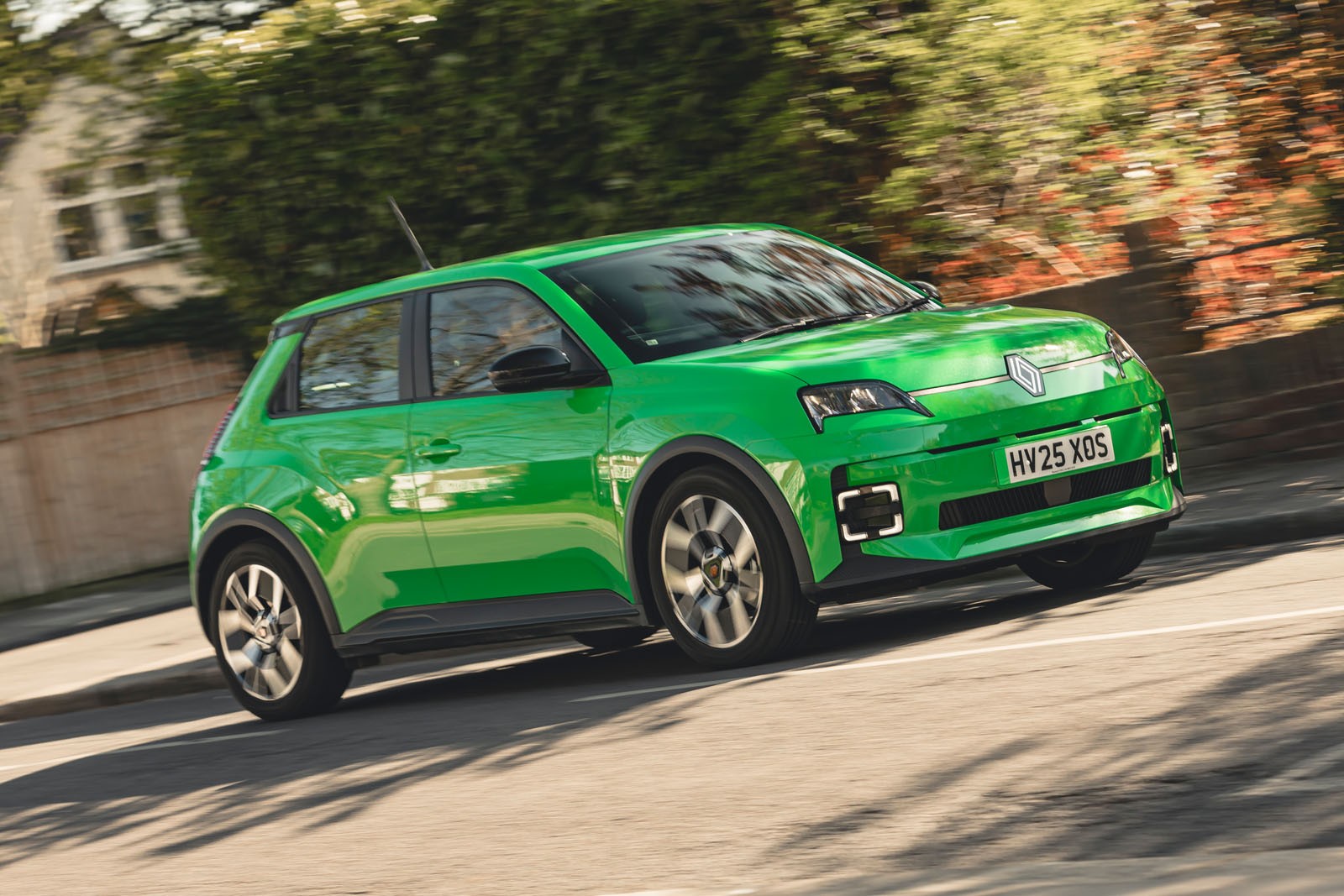
Renault has seen its website inquiries for electric models jump by 42% compared to early February. In April, EVs accounted for nearly half of all Renault registrations in the UK, led by the retro-styled Renault 5 supermini, which became the country’s best-selling electric car for the month.
Volvo reported a similar uptick, with global EV sales growing by 12% in the first quarter. In Europe, where the impact of the energy crisis is most acute, Volvo’s electric sales mix rose to 32%. Commercial Chief Erik Severinson confirmed that the growth is directly linked to the recent energy instability: “The growth in Europe is happening through electrification… We see [that] clearly in the last three or four weeks, since the energy crisis started.”
Stellantis, the parent company of brands like Citroën and Vauxhall, is also capitalizing on the trend, particularly with affordable models like the Citroën ë-C3. CEO Antonio Filosa described the situation as a strategic opportunity, noting that while they cannot predict the duration of the oil price surge, they are managing it to meet regulatory compliance and market demand.
A Continental Trend
The UK is not an isolated case. Data from the European Automobile Manufacturers’ Association (ACEA) shows that EV sales across Europe almost doubled in March compared to the previous year, accounting for 25% of total new car registrations.
The shift is even more pronounced in countries with established charging infrastructure and strong government incentives:
* Norway: 98% of new cars sold were electric.
* Denmark: 78% electric share.
* Finland: 50% electric share.
The Sustainability Question
While current data is overwhelmingly positive for the EV industry, experts caution against assuming this trend is permanent. The surge in demand is heavily correlated with the current geopolitical instability and the resulting fuel price spike.
Mercedes-Benz Finance Chief Harald Wilhelm acknowledged the “favourable momentum” in Europe but highlighted the uncertainty: “I cannot tell you how sustainable that is.”
The critical question for the automotive industry is whether buyers will remain committed to electric vehicles once the Strait of Hormuz reopens and fuel prices normalize. If the demand is purely reactive to high costs, the EV market could face a correction when energy supplies stabilize. However, if this crisis serves as a tipping point that convinces mainstream consumers of the long-term financial and practical benefits of electrification, the transition could accelerate far beyond current projections.
Conclusion: The Iran conflict has acted as an unexpected catalyst for the electric vehicle revolution, proving that high fuel costs are a powerful motivator for consumers. While the immediate boost in sales is undeniable, the industry’s future growth will depend on whether this crisis-driven adoption translates into lasting consumer preference.