


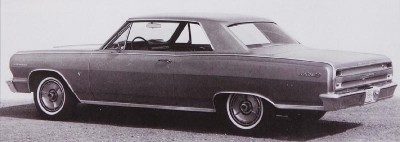
The Chevrolet Malibu didn’t just arrive. It won. It solved a particular problem for millions of buyers who needed reliable midsize transportation without the bulk of a full-size sedan. But there is another side to this story. The screaming side. The Malibu’s cousin, the Chevelle, was built for those looking for speed. To understand the Malibu, you have to look at its companion, the Chevelle. Both cars have a common platform, spirit and market. They satisfied two completely different needs with the same hardware.
Malibu: practicality and sportiness
The original Malibu debuted in 1964 as a sporty version of the Chevrolet II Nova. It wasn’t meant the whole show. It was a badge. A way to make a basic Nova look upscale. Buyers got chrome bumpers. Better interiors. A sense of style. The name Malibu stuck. When the Nova was downsized in 1968, it became its own model line.
Early Malibus were compact. light. Easy to park. Before the term was strictly defined, this was midsize segment. The redesign of 1968 changed everything. Malibu has grown. It became a true a midsize car. Body lines are smoothed out. The rear window got a distinct shape. Looks very modern. It looks like a car from the 1970s, before the 1970s really hit.
Malibu focused focuses on comfort. Vinyl bench seats. A simple dashboard. Ample headroom. It’s a family vehicle. It handled commuting in urban areas. It handled highway cruises. This has nothing to do with corner engraving. It’s a without drama of getting from point A to point B. Engines range from basic six-cylinders to big V8s. Most buyers chose the six. It is very cheap. It was reliable.
Chevelle: Muscle and Midsize Dominance
If the Malibu is the sensible choice, the Chevelle is the answer to the question “why not?” Introduced in 1964, the Chevelle was originally a slightly more luxurious version of the Chevy II. But it’s evolved fast. It became the backbone of Chevrolet’s midsize lineup. It has the same practicality as the Malibu, but with a more aggressive stance.
The Chevelle SS 396 is an icon. This car defined the muscle car era for many enthusiasts. Under the hood is a massive cubic-inch V8 engine. In its original form, it produced up to 375 horsepower. That’s a lot of power for a car that weighs less than 3,500 pounds. The suspension is tuned for performance. The brakes have been upgraded. The wheels are wider. This is more than just a sedan. This is Street Fighter.
The Chevelle didn’t just look fast. It moves very fast. It won races. It set records. Millions of units were sold. It satisfieds your need for speed while carrying your family. The SS package has unique stripes. badge. Own grill. It screams performance.
Shared platform, different personalities
Both cars originally had the Chevrolet II/Nova chassis. The basic structure is the same. Same suspension geometry. same
Intermediate strategy: closing the gap
Chevrolet needs a bridge. In 1964, the lineup was divided into the larger full-size Biscayne, Bel Air, and Impala cars, and the smaller Chevrolet II and Corvair compact cars. The answer is somewhere in between. This new section includes Chevrolet Chevelle and Chevrolet Malibu.
It is very spacious. It is reasonably priced. The shape is square and balanced. Technically, Chevelle is a last name. Malibu is a more stylish version of the finishing package.
But buyers don’t care about technical details.
Why the Malibu name is dominant
Chevrolet sold 338,160 units in the first year. The Malibu version outsold the base Chevelle two to one.
Why is it a priority? sporty style. The Malibu badge means something more aggressive. Includes Super Sport (SS) package. When Chevrolet put a 375-horsepower, 396-cubic-inch V8 engine into the 1965 Malibu SS, it became more than just a car. This is a legend. A new symbol was born in the era of muscle cars.
Body style and engine
Complaints do not fall within the scope of the authority. The Chevelle/Malibu is available in a variety of body styles. You can get:
- open car
hard top
car
4-door station wagon
2-door station wagon
Power comes from several six- and eight-cylinder engines. There are many options. This flexibility keeps the car relevant.
Development of style over the years
The formula worked. It lasted until 1968, when the car got a new, curved shape. It remained strong until 1973, when the convertible disappeared. In its place is a new body with an adventurous “pillar” roofline. It has a modern appearance without pillars. It is very practical.
The end of an era
Chevrolet downsized in 1997. No, wait. The dismissals took place in 1978.
That year the Chevelle name disappeared. This line is simply called Malibu. This continued until 1983.
This rear wheel drive model was discontinued in 1983. The future is front wheel drive. The 1982 Chevrolet Celebrity had similar dimensions. This is the wave of the future.
Your name tag will last forever
After all, the Malibu nameplate was to die for.
Chevrolet brought back the brand for the 1997 model year. The new mid-size car got this name. The family line continues. Malibu is still vibrant today.
The story doesn’t end in 1983, it just changes direction.
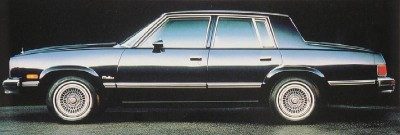

The Malibu badge has survived five decades on Chevy’s lineup. This specific car is the 1983 model—a machine that arrived with a lot of baggage and a lot of hope.
If you want more picture-heavy dives into Chevy history and other legendary machines, the archives are deep. You can track down muscle cars from the golden era of tire-smoking American performance. You can explore the purest forms of sports motoring from around the globe. Or you can pivot to hard data: current news, reviews, fuel economy figures, safety ratings, and pricing for today’s minivans, SUVs, and pickups.
Looking for a used Chevy or another pre-owned vehicle? There are reports detailing safety recalls and known trouble spots to help you navigate the used car market.
The Malibu nameplate didn’t vanish after the 1983 run. It evolved. You can read up on the new-age Malibu that launched for the 1997 model year and remains in production today. For the broader context, there is a lavishly illustrated history of Chevrolet itself, starting from its founding in 1911, giving you the inside story on one of America’s greatest automotive marques.
1964 Chevrolet Chevelle and Malibu
The lineage traces back earlier than the 1983 iteration. The 1964 Chevrolet Chevelle and Malibu set the stage for what would become a household name.
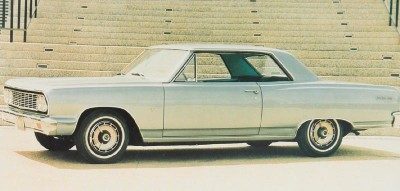

The birth of GM’s midsize competitor
The 1964 Chevrolet Chevelle wasn’t exactly shocking when it arrived, but it teased with sharp corners and clean sheet metal. It’s Chevrolet’s answer to the ever-shrinking attention spans of American drivers, and more directly to Ford’s new Fairlane. With a 115-inch wheelbase, the A-body sits between the compact Chevrolet II and the full-size Impala. Although they are larger than entry-level compacts, they are much easier to handle than giant land yachts.
Engineers continue to nurture traditions. Vertical shape. A simple project. But proportions are everything. The Chevelle resembles the “classic” 50’s Chevelle, but it’s not a retro version. The Curved Side Glass is one of those few visual tricks, but the real magic is inside. The interior of the Chevelle is as spacious as the Impala. This is a car that allows you to feel the presence of a large sedan without having to worry about parking.
Transmission options and SS packages
Behind the scenes, buyers have four options from the start.
- 194 cubic-inch six-cylinder engine that produces 120 horsepower.
- The 230 cubic-inch six-cylinder produces 155 horsepower.
- 283 cubic inch V-8 engine, 195 horsepower.
*Dual carburetor, dual exhaust 283 V-8 engine produces 220 horsepower.
Transmissions were specified for a standard three-speed manual overdrive or a two-speed Powerglide automatic transmission. Want more engagement? Swap in the four-speed floor shifter.
In the middle of the year, the heat turned up. A 327-cubic-inch V-8 was available, making 250 horsepower in the base model and 300 horsepower in the high-compression guise.
But the star of the show is the Super Sport package. Marketing with the slogan “Everyone has a bit of swashbuckler in him” transformed the Malibu SS from a family hauler to a street weapon. $162 gets you bucket seats, full vinyl trim, a center console, a large shift knob, and radial wheel covers straight from the Impala SS. The beltline trim has been removed, resulting in a cleaner side profile.
This is very popular. Almost half of the Malibu coupes and convertibles roll off the production line in supersport guise. That’s 76,860 units. That’s more than a quarter of Chevelle’s total production. The heavy-duty suspension kit costs less than $5 more.
El Camino and model range
Chevrolet isn’t just sedans. The El Camino returned to the lineup after a hiatus and is now firmly integrated into the Chevelle family. The El Camino Custom also features bucket seats and a console that bridges the gap between practicality and sportiness.
The Chevelle comes in two main trims: the base 300 and the upscale Malibu.
Malibu SS Sports Coupe
Malibu SS Convertible
300 series 4-door sedan
300 series 4-door Wagon
With this launch, Chevrolet’s product range expands to 43 models in five different vehicle lines. The Chevelle fills a critical gap between the Chevrolet II/Corvair and full-size vehicles. This is a compromise car, shorter and narrower than the larger Chevrolet, but with plenty of room for a family of four.
Design is a selling point. Perfect proportions. It’s “right” no matter which angle you look at it. This meant midsize cars were the new middle class, and the 1964 Chevelle occupied that space.
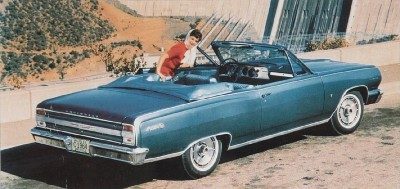

1964 is the year the Chevelle story really begins. This is more than just a name change for Bel Air. This is a new body. A new platform. A new start for Chevrolet’s mid-size ambitions. Previously, if you went to a retailer, you could choose from three different flavors. Basic 300. Luxury Malibu. And the one everyone remembers. Malibu SS.
Weight, price, serial number
The numbers don’t lie. They just sit there. Cold. Hard. It’s what you pay for and what you get in 1964.
Chevelle 300
– Weight: 2250-3270 lbs.
– Price: $2,231 – $2,674
– Built: ~68,300 units
Chevelle Malibu
– Weight: 2850-3365 lbs.
– Price: $2,340 – $2,852
– Built: ~149,000 units
Chevelle Malibu SS
– Weight: 2875-3145 lbs.
– Price: $2,538 – $2,857
– Built: 76,860 units
Let’s take a look at the price of the Malibu SS. It sits between the standard Malibu and the top-of-the-line option. But what about weight? It’s lighter than the regular Malibu. how? Comfort decreases. Less sound deadening. More steel was removed from where it didn’t matter. That’s why it feels sharper. That’s why it’s so compelling.
Malibu SS convertible
You saw the title. 1964 Chevelle Malibu SS Convertible. Yes, it exists. rare. Sought after. Heavy on the fun.
Most SS buyers want a coupe. Fastback lines. Blacked-out grilles. The hardtop looked mean. But what about convertibles? That was for the show. Or the Sunday drive with the top down. They have the same performance credentials. The attitude is just as bad. Just open-air.
SS packaging is more than just a sticker. This is a performance intent. It has a high-compression engines. heavy-duty suspension. The dual exhaust. These are not decorative. It’s practical. This is why the weight range decreases. Chevrolet cut away the excess to maintain a good power-to-weight ratio.
Why are these numbers important?
You might think that 76,860 SS units is a lot. Yes. This is a huge deal for a first-year introduction. This shows that the market is hungry. It’s not just about speed. But for style. The Chevelle hit a sweet spot. Smaller than an Impala. Bigger than the Corvair. Perfect for suburban dads looking to recapture their youth.
The story also arises from the price difference. $2,538 to $2,857. The difference is $319. What do you get for your extra money? Options. better
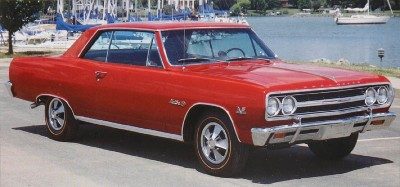

1965 Chevrolet Chevelle Modifications and Engine Selection
The 1965 Chevrolet Chevelle received subtle but sharp updates for its second model year. The most obvious changes are the new V-shaped grille and significantly larger taillights. In fact, the ride length has been extended by 2.7 inches and the ride height has been lowered by 1.3 inches, but the 115-inch wheelbase remains the same. There is a deeper shield on the inside of the dashboard to reduce glare from the windshield, a practical solution for drivers who hated squinting.
In the same year, Chevrolet launched four different series: 300, 300 Deluxe, Malibu and Malibu SS. The standard Malibu led sales with 152,200 units sold. Powertrain options start with a 120-hp, 194-cubic-inch Hi-Thrift inline-6 engine. Buyers can upgrade to a 230-cubic-inch six-cylinder engine with 140 horsepower, a Turbo-Fire 283 V-8 with 195 horsepower, or one of three 327-cubic-inch V-8 models rated at 250, 300, or 350 horsepower.
Transmission choices continue to evolve. A new fully synchromesh three-speed column transmission has joined the lineup, but many buyers still opt for a two-speed Powerglide automatic or a four-speed manual.
The Supersport coupe and convertible removed some of the overly bright trim of 1964 for a cleaner look. Inside, the front seats are trimmed in textured vinyl, and the center console and circular gauges are set in bright metal panels. The SS-specific grille with black accents marks the sporty car’s transition to a darker, more aggressive style.
1965 Chevelle Malibu SS 396 Rarity
Of the 101,577 SS Chevelles built that year, the Malibu SS 396 is definitely a rarity. Only 201 of these muscle cars were produced. Fenders with crossed flag badges hide the new 375-hp, 396-cubic-inch “Porcupine” V-8 engine.
Why is this number so small? It came down to money. The base price for the Z16 Performance Package is a whopping $1,501 more. Despite being essentially a prototype for the 1966 series, this premium made it a niche product. With a 4-speed manual transmission and 375 horsepower, it’s a serious beast.
Other versions are also more readily available. For example, the Malibu SS convertible offered here has a more modest 195-horsepower 283 V-8 engine mated to an automatic transmission. But if you’re wondering which 1965 Chevelle is worth the most today, the answer is the 201, which was worth a fortune at the time. They didn’t just look the part. They come with hefty price tags that most buyers simply can’t justify.
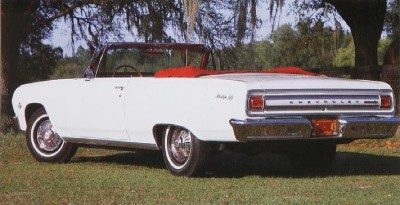

1966 Chevrolet Chevelle and Malibu
The 1966 model wasn’t just an update, it was a complete architectural reset. General Motors took over the Chevelle nameplate and stretched it. The wheelbase grew by two inches, settling at 112 inches. This made the car longer and lower, giving it a more aggressive look than the boxy 1965 model. The new body was heavier, too. You won’t find a lightweight entry-level Chevelle 300 2,870-pound entry-level Chevelle 300 anymore. The new generation’s curb weight is around 3,000 pounds, with SS models pushing past 3,300 pounds depending on the equipment list.
Why did they do it? To compete. The Ford Falcon and Mercury Comet were getting bigger. The Plymouth Valiant was expanding. Chevrolet needed to Chevelle to feel substantial without losing its nimble, sporty reputation. The result is a car that loses some of the razor-sharp speed of the early small house era, but offers better road handling and more cabin space.
Engine options and performance
Under the hood, the standard engine remains a 230-cubic-inch inline-six. It produced 155 horsepower. Reliable. boring. Perfect for commuting from Detroit to Cleveland and back. But no one buys a Chevelle for commuting.
The real story was the small-block V-8 lineup. The 283-cubic-inch V-8 is still available, rated at 195 horsepower in its base form. But GM has cracked open the code on high-performance small blocks. A 327-cubic-inch V-8 became the heart of the SS package.
Here is how the 1966 powertrains shook out:
- 230 cu in L6: 155 horsepower. Base model only.
- 283 cu in V-8: 195 hp (base), 230 hp or 275 hp (fuel injection). For enthusiasts who don’t want to pay for an SS badge, the 275-horsepower version with a four-barrel carburetor is the best option.
- 327 cu in V-8: 300 or 350 horsepower. This was the SS engine. The 350-horsepower version was the king of the hill for 1966.
The 350 horsepower 327 was rated at 288 lb-ft of torque. It is very fast. That’s impressively fast for a car that weighs over 3,200 pounds. Opt for the M21 “Rock Crusher” 4-speed manual transmission and you’ve got a machine that will take modern Mustangs by storm.
Malibu SS Package
The Chevelle SS package is no longer just a trim level. It is a performative identity. The 1966 Malibu SS convertible with the 195 horsepower 283 engine was a rarity. Most SS buyers went straight to the 327. The 283 SS was primarily a cost-saving measure for dealers who wanted the badge without paying performance tax.
this
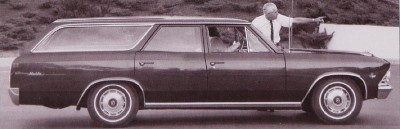

1966 Chevrolet Chevelle SS 396: A refined muscle machine
The 1966 Chevrolet Chevelle got more than just a facelift. It has undergone a complete renovation. Smooth contours replace the boxy lines of the past. The grill is now wider. Bumpers just got busier. The side windows are curved instead of straight. It has a cleaner, more mature appearance.
A new hardtop sports sedan has joined the Malibu lineup. The Sport-coupe has also undergone dramatic changes, with a recessed ‘tunnel’ rear window giving the roofline a distinctive silhouette.
But for enthusiasts, the real story is the horsepower mark.
Only one car received an SS badge this year: 1966 Chevrolet Chevelle SS 396. This is not a brand design gimmick. It requires a big 396 cubic inch V-8. If you didn’t have the 396, you weren’t an SS. That’s the rule.
How SS 396 is made
The SS 396 has some serious engineering under the sheet metal. Both the coupe and convertible are built with a reinforced Malibu body. The frame is stronger. The front suspension has been completely renewed.
Spring rates were higher. The shock absorbers have been readjusted. The front stabilizer bar is thicker. It’s not just about looks. This is meant to handle the heavy V8 without it diving into the paint in corners.
The visual cues are subtle but present. On top of the hood is a simulated hood scoop. The red-striped tires rotate with magnetic wheels. Bright trim moldings lined the sides. Everything shifted via floor shifter. No column shifts here.
The number of manufactured units indicates its popularity.
- 1966 Chevrolet Chevelle SS 396: 72,300 units produced.
- Standard Malibu model: 241,600 units produced.
The standard model Malibu has five body styles. It was the volume seller. The SS was the halo.
Engine options and performance
The 396-cubic-inch V-8 is the heart of the SS. The buyer can choose from two power outputs.
- 325 horsepower
- 360 horsepower
There is also a 375 horsepower version. You can order. However, less than 100 units were actually received. This is unusual. Almost impossible to get.
The ads for SS 396 didn’t scream. It didn’t use hyperbole. One ad said: “It isn’t extravagant. It’s not imported. It’s not fattening.”*
The tagline is simple: “This is a plane for people who prefer to drive rather than fly.”
That was the pitch. It’s not a competition. It’s not a luxury cruiser. Driver’s car.
The rest of the Chevelle Line
If you don’t want the SS, the Chevelle brand still offers trim levels.
–Sebar 300
–Chevelle 300 Deluxe Edition
–Chevelle Malibu
Engines vary. Six-cylinder engines were still available, but were often replaced by V-8s. The 327-cubic-inch V-8 was a popular option. The mid-level option is a 283-cubic-inch V-8. It produced 220 horsepower. Enough for daily duty.
The options list is where you can customize. Added tachometer. Mag-style wheel cover. Sintered metal brakes provide excellent stopping power. By considering the product catalog, you can turn an ordinary car into a competent performer.
1966 Chevrolet Chevelle and Malibu Facts
| Model | Weight Range (lbs) | Price Range (New) | Production Quantity |
|---|---|---|---|
| Sebar 300 | 2,895–3,350 | $2,156 – $2,681 | ~66,200 |
| Chevelle Malibu | 2,935–3,375 | $2,352-$2,766 | ~241,600 |
| Chevelle Malibu SS | 3,375–3,470 | $3,375 – $3,470 $2,776 – $2,984 | 72,300 |
Prices reflect the era. The Malibu SS costs about $300 more than the base Malibu. This includes the body, suspension, badges and 396 engine. It was a premium, but not a stretch.
1966 was a turning point. It established the Che
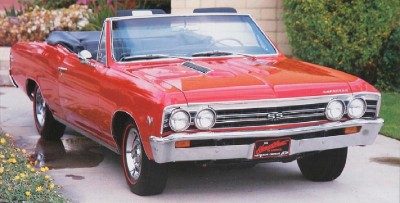

1967 Chevrolet Chevelle SS 396: Styling tweaks and engine shifts
1967 Chevrolet Chevelle stretched out. Not in inches, but in attitude. The styling tweaks are subtle enough to be subtle in a parking lot, but they give the sedan and coupe a longer, leaner, simpler look. The new rear end features larger taillights and standard backup lights. This is a visible change. Beneath the surface, updates is more important.
Front disc brakes are available on all models. No longer exotic options for high-end models, these are available to anyone looking for better stopping power. The new dual master cylinder brake system is equipped with a warning light. This is a safety upgrade that can detect failures before they become emergencies.
“What you see inside the car… can trigger a strong desire to drive.”
This line of sales brochure is more than just marketing. It captured the intent. Chevrolet wants drivers to feel a rush to hit the road.
Super Sports Identity
The Super Sport version has a unique visual language. The unique grille sets it apart from the base Malibus. The bright wheel well strip sparkles in the sunlight. A gray-toned rocker shape runs along both sides. The hood has dummy air intakes. These are not functional vents. These are style cues that emphasize performance.
curious shift were made to the engine selection. The 375-horsepower, 396-cubic-inch V8 engine has officially been removed from the options list. It is not listed in the brochure. But in any case, 612 of these high-powered units were built. There were rumors about internal demand and special orders, but the fact remained the same. they exist.
For those who didn’t buy a 375, the step-up engine in the Super Sport 396 dropped from 360 horsepower to 350 horsepower. The base V-8 engine has a steady 325 horsepower. Despite the apparent power loss, around 63,000 Super Sports rolled to roll off the production line. Demand remained strong.
Choose the right Chevelle
The “Quick-Size” SS 396 sports coupe and convertible were sold as “the car for the Driving Man”. It’s not just a nickname. This is a positioning strategy. Malibus added family-friendly luxury. The 300 Series is all about value. You had choices.
Choosing a Chevelle is not easy. Buyers face complex matrix of options. The engine is just the beginning. There are six transmission choices. Two 3-speed manuals. A four-speed manual. An overdrive option. Two automatics.
The list of options is equally comprehensive. Superlift air shocks improve driving comfort. The Strato-ease neck support supports the neck. Special instrumentation allow drivers to monitor vital stats. The manual shift feature of the Turbo Hydra-Matic transmission got heavy advertising. The driver can change gears without using the clutch. A combination of comfort and performance.
Beyond the Camaro
The big news for Chevrolet in 1967 was the new Camaro. The pony car stole the headlines. The Chevelle offers a different kind of sportiness. More traditional. More substantial. The models include the SS convertible and the SS 2-door Hardtop. These are no lightweight racers. These are muscle cars built for daily
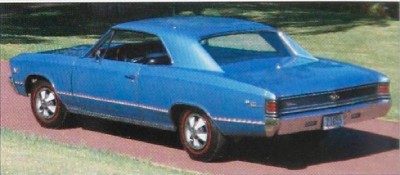

The 1968 model year brought subtle but significant changes to the Chevelle and Malibu lines. If you’re looking for a car that will serve as a daily driver on the trails, the ’68 is a strong candidate.
Body style and price
The base Malibu is the entry level and affordable for those who don’t need extra chrome or interior luxury. Malibu Custom bumped up the comfort and style shares a lot with that sheet, but secondly, with the table itself. it usually comes with different trims and options. Top class Concours** give muscle cars a more luxurious, almost personal luxury car feeling.
Weights are essentially the same as last year, ranging from 2,900 lbs for the light base model to 3,400 lbs for the heavy S S version. You paid for power, and that power came with some extra heft
New car prices reflected the inflation of the late 60s A base Malibu coupe will likely cost around , 2400 SS coupe 2,400. over $3,000. 安くしますが、when you consider the amount of 鋼材とゴムの量, the price tag is huge. Chevrolet moved hundreds of thousands of these cars, with the Malibu variant alone seeing production figures near 200,000 units
Engine Selection: Core
Chevrolet offers a huge selection of options under the hood. The base engine is still a 250 cubic inch inline-six (150 horsepower), which is good enough for commuting, but not very powerful. The real story is the V8 choice.
The 327 cubic inch V8 is still available and produces 275-350 horsepower depending on configuration. Although it was a powerful, high-revving engine, many enthusiasts began to ignore it in favor of a larger engine.
Then there’s the 396 cubic inch V8. This is a big deal. Rated at 325-375hp in stock form, it can be ordered using the high-performance L78 code, which increases power to 375hp (and significantly more torque). This engine was the star of the show in 1968. It provided the effortless passing power that was the foundation of the SS 396’s reputation.
For those looking for maximum low-end grunt without the small-block’s high-rev scream, a 427 cubic inch V8 is available on select models like the Malibu and Chevelle. Its power is 390-425 horsepower, which is rare. Up to 427
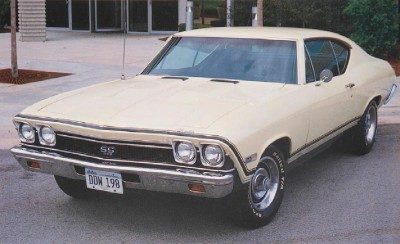

A carefully designed mid-sized revolution
The 1968 model year brought decisive changes to GM’s mid-size car lineup. The Chevrolet Chevelle and Malibu abandoned their previous styling and adopted a new body that gave a sportier impression. Designers opted for a long hood and short deck silhouette, accentuated by tapered front fenders and a rounded waistline, culminating in a unique rear-end “kick-up” detail. It is sophisticated, low and definitely a modern design of the late 1960s.
Underneath, the chassis geometry was changed to reflect this new essence. The wheelbase of the 1967 model was standardized at 115 inches, but in the 1968 coupe and convertible versions, the wheelbase was shortened to 112 inches, giving it a sportier look. For sedans and station wagons that needed more interior space, the longer 116-inch wheelbase was retained. The front and rear width was widened by one inch, the center of gravity decreased and the vehicle’s support surface increased.
The hardtop coupe used a semi-fast rear roofline, a trend that grew in popularity throughout the industry. At the same time, top models such as the SS 396 and the newly launched luxury Concours version featured GM’s hidden windshield wipers. When not in use, these wipers hide under the car’s body-colored panel, which keeps the glass clean and keeps the body line tidy. This top-of-the-line trim level was phased in on the Chevelle’s lower trims by the end of the model year.
SS 396 Takes Center Stage
The competition in the muscle car segment is increasing, and Chevrolet has responded by introducing a supersport version. The SS 396 is no longer an optional package.It’s unique シリーズアクズアアズアクズ and Cabriolet do away with excessive chrome trim and instead rely on a subtle rocker panel design. Impressive SS 396 ババョがをリルの中央とトランクリッドにりり付ぁがら
パワーは396立方inchのターボジョックV8からますますます。 The standard power was 325 horsepower, 35 horsepower more. enthusiasm. The special 二重ドーム型鸟が 開制ベイ アックもあり、仝下となるりさる攻を性意しい。 The car runs on F70x14 tires for traction on black tires to get the power.
The SS 396’s marketing pitch declares that the car “challenges grip on any surface, demanding harder cornering.” This is bold as a 路面電車します、デショングリングががりまたますますしてます。 The SS 396 sports coupe starts at $2,899, making it $236 more expensive than the equivalent Malibu with a smaller 307-cubic-inch V-8 engine. Optional full-vinyl bucket seats and center console transform the interior into an engine-friendly cockpit.
A total of 60,499 units of the SS 396 hardtop were sold by the company that emphasizes practicality over open-top operation.
Luxury and Quantity: Concours and Malibu
Not everyone wants raw horsepower. The 1968 model year also introduced the Concours Sport Sedan, a luxury model aimed at buyers who cared more about comfort than lap times. The Concours features a “magnificent interior,” durable sound deadening, and a deeply padded dash with wood trim. It offers a sophisticated alternative to the aggressive SS styling.
For the general public, the Malibu is still the best-selling car. Standard engines ranged from the modest 140-horsepower Turbo-Thrift six-cylinder to the new 200-horsepower Turbo-Fire 307 V-8. At the top of the range is a 325-horsepower version of the 327-cubic-inch V-8 engine, which offers enough power for daily driving without the SS badge. Malibu also introduces a new sports sedan body style this year, further broadening its appeal.
Wagon buyers can consider the Concours Estate wagon, one of four different Chevelle wagon models. The Concours range specializes in color-matched interiors and vinyl trim throughout, ensuring that luxury is not sacrificed for practicality.
1968 Chevrolet Chevelle and Malibu Data
| Model | Weight Range (lbs) | Price Range (New) | Units Built |
|---|---|---|---|
| 300 | 3,020 – 3,545 | $2,341 – $2,841 | ~55,800 |
| Malibu | 3,070 – 3,575 | $2,524 – $2,951 | ~266,300 |
| Concours | 3,450 – 3,580 | $2,978 – $3,083 | Not Available |
| SS 396 | 3,550 – 3,570 | $2,899 – $3,102 | 62,785 |
The 1968 Chevelle set the blueprint that would dominate American muscle cars for years to come. It balances aggressive styling with a mechanical feel, offering something for both weekend warriors and daily commuters. As the decade progressed, the need for big horsepower machines only grew, and the Chevelle was ready to take on the challenge.
The next chapter in this lineage began with the 1969 Chevrolet Chevelle and Malibu, where the recipe was developed again.
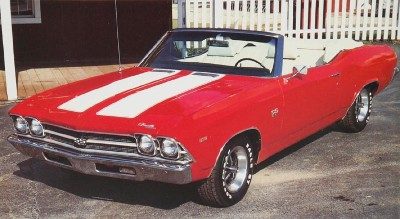

1969 Chevelle SS 396: Muscle Meets Mass Appeal
The 1969 Chevrolet Chevelle and Malibu lineup was a tightrope walk. It had to satisfy muscle car enthusiasts looking for raw power and satisfy suburban families with something that doesn’t feel like driving a tank. Chevrolet still proudly calls it “America’s Most Popular Midsize Car,” and a title it wore comfortably.
The changes in 1969 were subtle but effective. The front end lost its sharp edges and for something rounder and more aggressive. A single chrome bar linked the quad headlights by a chrome strip, which gives the nose a unified look. The bumper was slotted to accommodate parking lights, and the taillights are larger and taller, blending seamlessly into the quarter panels. It was a cleaner look.
Inside, the old linear instrument cluster has been scrapped. In its place is a new, round instrument pods that felt more modern. Outside, the front vent windows started their slow march toward obsolescence. The introduction of the Astro Ventilation System on many Chevelles, including the Malibu and 300 Deluxe Sport Coupe, allows outside air to enter without the need for those bulky side windows.
SS 396: From Series to Option Package
Chevrolet tightened the Chevelle lineup, reducing it to just two series: the 300 Deluxe and the Malibu. This shift had a massive implication on performance enthusiasts. The SS 396 was no longer a standalone series. It became an option package, priced at $347.60, available on any two-door model.
This means that the SS 396 badge can also be seen on the convertible in the hardtop sports coupe and even the more affordable pillared coupe in the 300 Deluxe range. The barrier to entry for big-block muscle just dropped.
Under the double-domed hood is the heart of the beast: a 396-cubic-inch V-8 engine. It produces 265 or 325 horsepower depending on the configuration. The visual cues were distinct. A black-out grille featured the SS emblem, the rear panel is painted black and features chrome sports wheels with red side stripes around the tires.
But power didn’t stop at 325 horses. More powerful versions of the 396 appeared on the options list, pushing output to 350 or 375 horsepower. Even rarer are the handful of Chevelles that are somehow equipped with 427cc V8 engines. That engine was usually reserved for full-size Chevys. 427 in a mid-size Chevrolet is unusual and evidence of some buyers’ desire for speed.
Personal truck
There are three different levels of wagons: Concours, Nomad and Greenbrier. The Greenbrier name is a commemorative name once used for the boxy Colvair van. The overall length of the wagon is 208 inches, which is significantly longer than the 197-inch coupe.
The design of the tailgate is a feat of intelligent design. Achieves dual action. It can be used in the traditional way or opened as a panel door for easy access to the trunk.
Numbers game
In 1969, Chevrolet increased production of midsize cars, and the Malibu significantly outperformed the cheaper 300 Deluxe. Obviously, power comes first. Less than 7 percent of Malibu buses have a basic six-cylinder engine. In comparison, over 86,000 Malibu buses were ordered with the SS 396 option.
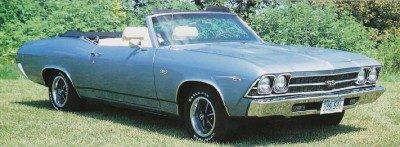

The 1970 model year brought subtle but important changes to the Chevelle line. Although the body model remains well known, the technology behind it is constantly evolving to meet increasingly strict emission standards and changing consumer tastes. Have you seen the SS 396 package on a ’69 convertible? It’s still there, but the competition is heating up and Chevrolet has perfected the recipe in the mid-size muscle car segment.
1970 lineup: specs and numbers
Chevrolet didn’t reinvent the wheel in the 1970. Instead, they polished the edges. The weight range is similar to last year, but the powertrain options are more versatile, offering buyers a combination of raw horsepower and superior efficiency.
Below are the 1970 models, categorized by equipment and variant.
Chevrolet Chevelle and Malibu 1970 model information
| Model | Weight Range (lbs) | Price Range (New) | Production |
|---|---|---|---|
| Nomad | 3,390–3,600 | $3,390-$3,600 $2,668-$2,800 | N/A |
| 300 Deluxe | 3,035–3,230 | $3,035 – $3,230 $2,458 – $2,611 | 42,000 |
| Greenbrier | 3,445–3,740 | $3,445-$3,740 $2,779-$3,020 | 45,900 |
| Malibu | 3,095–3,340 | $3,095-$3,340 $2,567-$2,889 | 367,100 |
| Concours | 3,545–3,755 | $3,545-$3,755 $2,931-$3,266 | Not applicable |
Malibu is still the sales leader with more than 367,000 units. This number tells you everything you need to know about where your money is going. Chevrolet Malibu is more than just a car. It’s a must-have on America’s driveways, bridging the gap between the practical 300 Deluxe and the sporty SS model.
Why the ’70 Chevelle is important
If you’re looking for a classic 1970 Chevrolet Chevelle SS, you’re looking at the end of an era. The following year, cars featured heavier and more sophisticated bodies, and emissions regulations began to more aggressively restrict big-block V8s. In 1970, the Chevelle remained raw, responsive and unapologetically American.
Weight distribution varies by trim. For example, the Nomad wagon weighs a whopping 3,600 pounds, making it one of the heaviest models available. Compare that to the 300 Deluxe Coupe, which weighs around 3,035 pounds. That 500-pound difference is more than just a metal difference. It’s drivability, acceleration and fuel economy.
Which 1970s model is the most valuable?
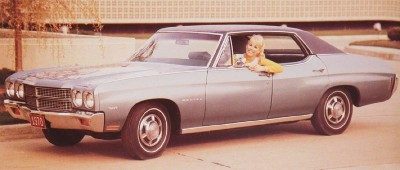

The year 1970 was a decisive turning point for General Motors. The balance of power in the mid-size segment clearly leans towards the Malibu. This is not just a subtle adjustment. The brand just launched Malibus earlier this year.
This is a strategic move. The 1970 Chevrolet Malibu is the main focus, available in sport coupe, sport sedan, convertible, and four-door sedan configurations. Two different Supersport upgrade paths are immediately available. The traditional Chevelle name isn’t going away entirely, but it will return at the end of the model year as a base offering. The late Chevelle was essentially a revival of the earlier 300 Deluxe, which was limited to sport coupe and sedan body styles.
Engine options and new features
The scope behind the scenes is extensive. The entry-level 155-horsepower inline engine is standard on the base model, and it’s mated to a 200-horsepower 307-cubic-inch V-8. For those looking for more power, two 350-cubic-inch V-8s were available, paired with a 330-horsepower 400-cubic-inch engine.
The interior of the cabin has been renewed. The outer plate has been revised to create a sharper, boxer body design. New technology, such as power door locks and handle-mounted wiper controls, instead of the traditional dash-mounted levers, keep popping up, and this is welcome.
SS Power Tier
Fans of the show have options. The SS 396 and SS 454 accessory packages are available for both the sports coupe and convertible. Of the 354,855 Chevelles produced that year, 53,599 had the SS badge. Of these, only 3,733 were equipped with the 454cc V-8 engine.
SS 396 offers versatile performance. It features a 350-horsepower Turbo-Jet 396 V-8 engine, special suspension tuning, a performance hood scoop, a black grille, a flexible rear bumper insert and wide oval tires on sport bikes.
Can you get more power? Yes. A 375 horsepower upgrade is also now available. But few people sell it. Why? The price increase brought the total cost uncomfortably close to that of the “ultimate” Chevelle, the SS 454. Buyers with deep pockets and ambition simply rose to the top.
Muscle King: SS 454
The SS 454 lives up to its name. Under the hood is a 454 cubic inch V-8 engine. In standard form, it produces 360 horsepower. However, if you order with LS-6 spec, the numbers change significantly. The engine uses a solid lifter cam, high compression ratio and LS-6 internals to produce 450 horsepower.
This combination makes the Chevelle one of the fastest muscle cars of all time. Marketing brochures are full of words. The company explains that by adding a mantle induction system to the SS model, its “toughness” can be further strengthened.
The hood scoop opens automatically when you press the gas pedal. take an extra breath
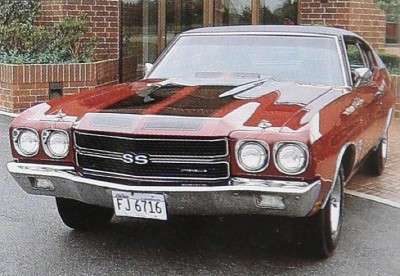

The 1970 Chevelle Supersport is a standout among muscle cars, especially when equipped with a massive LS-6 454-cubic-inch V8 engine. But by 1971 things had changed. The regulations have been tightened and the engine displacement reduced. The 1971 Chevrolet Chevelle and Malibu clearly marked the end of an era, even if the logo remained.
1968 Chevrolet Chevelle and Malibu Facts
Before we get into the 1971 changes, it helps to set the stage. The build counts for the 1968 model are as follows: These are factory figures, new car price and build counts.
| Model | Weight Range (lbs) | Price range (new) | Production quantity |
|---|---|---|---|
| Chevelle | 3,142-3,312 | $2,585-$2,710 | 354,855 |
| Malibu | 3,197-3,409 | $2,685-$3,009 | 57,332 |
| Station Wagon | 3,615-3,880 | $2,835-$3,455 | NA |
“The 1971 Chevelle is more than just a facelift. It’s an escape from the excesses of the 1970.”
1971 Chevrolet Chevelle and Malibu
The 1971 model included subtle adjustments on the outside, despite notable interior changes. The front end features a new grille and bumper design that moves away from the aggressive wide look of previous years to a more restrained design. But the real story is under the hood.
Gone is the crown jewel of the 1970 Chevelle SS, the LS-6 454 V-8. It never returned. Instead, GM offered the L78 454 V-8 rated at 360 horsepower. It’s still a big block. The sound is still loud. But it didn’t have the LS-6’s high-compression pistons and special camshaft. This started the horsepower deflation of the mid-1970s.
Why did they ditch the LS-6? Insurance costs were skyrocketing. Emissions regulations are being tightened. Consumers are increasingly aware of fuel economy, even if they pretend they aren’t. The 1971 Chevelle had to balance performance with legality and affordability.
For buyers who want to use the Malibu name, the distinction was mostly trim. The Malibu sits above the base Chevelle in the hierarchy, offering more chrome, better interior materials and an optional V-8 engines. Station wagons are still a practical option for families who need space but want to wanted some Chevy in the driveway. Of course, it weighs more than the coupe or convertible, at 3,615 to 3,880 pounds.
The reality of the market
The numbers don’t lie. In 1968, Chevrolet produced 354,855 Che.
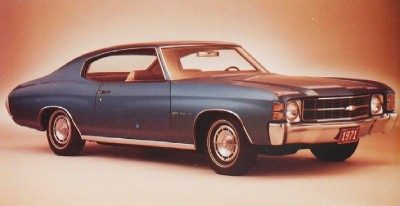

1971 Chevelle Styling revamp
The Chevrolet Chevelle lineup didn’t just get a facelift in 1971. it got a complete personality makeover. The front end is completely new and the split grille look has been replaced with massive Power-Beam headlight assemblies on either side. It is bold, almost aggressive. The grille itself has been redesigned, and the bumper now integrates the parking lights, signal, and marker lights directly into the body instead of being attached separately. The rear taillights have also been changed, and two round units have been integrated into the rear bumper, making the car look wider and bigger.
Model hierarchy and body styles
1971 Chevrolet Malibu is not a separate vehicle. This is a series about the Chevelle family. This means you can buy a Chevelle in Malibu or upgrade to a higher trim level. The variety is amazing. There’s a classic hardtop coupe, four-door sedan with pillars, station wagon variants and even a convertible for those who like the wind in their hair.
Chevrolet is also making significant inroads into the station wagon market. The Chevelle Nomad, Greenbrier and Concours wagons offer plenty of cargo space and family-friendly utility. Specifically, the Concours Estate features woodgrain paneling designed to create a premium and elegant look while being a workhorse.
SS 454: Heavy Hitters
For performance minded buyers, the 1971 Chevrolet Chevelle SS 454 is the crown jewel. It features a black version of the new curved grille and a domed hood with functional lock pins, visually suggesting that this car wasn’t here to play nice. Under the hood is a 454-cubic-inch V8 engine. Horsepower were a bit of a game of chance depending on how deep your pockets were. You can spec it with 365 horsepower, or if you have the cash, the full 425 horsepower monster.
SS 350 and El Camino
Not everyone can afford to the big-block tax. Or maybe you just want a lighter car. The SS 350 is powered by a 350 cubic inch V-8 engine that produces 245 horsepower. A 270 horsepower boost is also available, which is a great option for many people. However, the shortcomings of performance do not mean that the practical model should be ignored. The El Camino is a strange hybrid of a car and a pickup truck that can also be ordered with SS styling and drivetrain. It’s a fun, practical, defied categorization.
“Heavy Duty Chevy” and engine options
Insurance companies hate SS models. Surcharges are brutal. So midway through the year, Chevrolet made a move to appease speed freaks and insurance adjusters alike. They introduced the “Heavy Chevy”. **
It looked exactly like the SS, featuring the same badging and aggressive stance, but was available with all V-8 engines except the 454. That big block is exclusive to the SS line. The Heavy Chevy, you can get the muscle car look without the SS insurance penalty
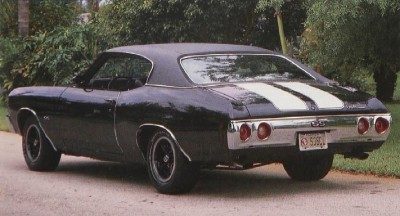

The 1971 Chevelle SS established itself as a coveted collector’s item. It’s the most desirable model in the range and the last gasp of unfettered performance before the regulatory noose tightens. But 1972 arrived with a different vibe. The golden age of raw horsepower is dying, replaced by a landscape of compliance, catalytic converters and low compression.
1968 Chevrolet Chevelle and Malibu Facts
Before you step into the twilight of your A-body, it’s good to remember where these numbers started. The 1968 model was a benchmark for weight and price that would change dramatically over the next four years.
| Model | Weight Range (lbs) | Price Range (New) | Production Quantity |
|---|---|---|---|
| Chevelle and Malibu | 3,166-3,450 | $2,677-$3,260 | 293 267 |
These numbers are more than just data points. These represent a market where family wagons cost less than $3,600 and coupes cost more than $2,600. The production numbers tell about the story’s popularity. The roughly 300,000 coupes and sedans produced in 1968 show just how mainstream the Chevelle had become. It’s not just a muscle car anymore. This is an American car.
1972 Chevrolet Chevelle and Malibu
By 1972, the Chevelle was competing for position in a shrinking market. The big-block options were being strangled by emissions equipment. Small blocks are still available, but have been detuned to meet stricter standards. result? The car looks almost identical to the 1970-1971 model, but functions more as a cruiser than a corner-carving beast.
The 1972 Chevelle retained its iconic body style, but the mechanics told a different story. Horsepower decreased across the board. The legendary 454 cubic-inch big-block was once a monster on the street, and now the 454 SS makes 245 horsepower. That’s a massive drop from the numbers of just a few years prior. Why is this happening? Compression ratios fell. Cam profiles became milder. The new catalytic converter’s exhaust restriction blocks the flow.
But the Chevelle isn’t going away. It adapted. The SS emblem has been preserved and the numbers on the door frame do not reflect the glory days, but symbolize the performance tradition. Enthusiasts still go after the 454 SS, not because of its advertised power, but because of its potential. The Aftermarket support is also extensive. Owners know that with a few bolt-ons and a tune-up, their Chevelle can still go strong.
The 1972 model year also saw the introduction of the Laguna, a sporty model with distinctive nose and rear spoiler. It was Chevelle’s attempt to compete in the NASCAR
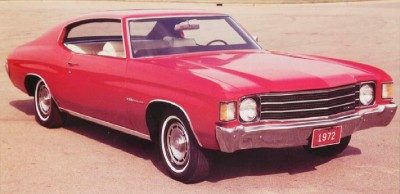

1972 Chevrolet Chevelle and Malibu Specifications: Best-Selling Midsize Cars
Integrated front parking lights and side lights are new to the 1972 Chevrolet Chevelle and Malibu lineup. This minor design tweak signaled the era’s move to stricter visibility standards, but the real story is sales. The 1972 Chevrolet Chevelle and Malibu lineup was more than just competition. They dominate. It became the second best-selling vehicle in the United States that year, behind only the Ford F-Series trucks.
Filter by: Chevelle vs Malibu
The hierarchy is clear, but subtle. The base version carries the Chevelle nameplate and is available in four distinct wagon configurations. If you keep going, you will come to the Malibu area. These upscale models housed the convertible body style and meet the needs of buyers looking for more style without stepping into the full-size sector.
The numbers speak for themselves. The Malibus passed the Chevelle by a landslide. Annual production of the Malibu lineup is 290,008 units compared to the Chevelle’s 49,352 units. Station wagons added another 54,335 units to the mix. Americans weren’t ready to shrink their cars just yet.
Best seller: Malibu Sport Coupe
What actually moved metal? Malibu Sport Coupe. This was the undisputed king of the 1972 Chevrolet Chevelle and Malibu lineup.
Models with the V-8 engine start at $2,923. The engine was a 307 cubic inch V-8 with a net horsepower of 130. It’s not fast by muscle car standards, but it’s reliable and cheap. Opting for the inline-6 saves $90, bringing the base price to $2,833.
More than 24,000 units of the Malibu Sport Sedan alone were produced. For a mid-size car, this means that many drivers drive it every day. The coupe’s affordable price and sporty looks make it the default option for buyers who don’t need the extra space of a sedan or wagon.
California Special
Geography dictated mechanics. The 307 V-8 is not available on Chevelles sold in California. Government emissions regulations forced Chevrolet to swap in the 350-cubic-inch engine. This is not a one-time anomaly. Through the 1970s, California cars often had different powertrains to meet stricter regulations than other states. You get 350 when you buy a Chevelle in Los Angeles. If you buy in Ohio, you’ll probably get a 307.
Appearance and equipment updates
The front end has an revised twin-bar grille. Park next to the 1971 model and the changes are obvious. New Individual parking/side lights mounted on front fender. Before this, signs were often integrated or absent in various ways.
Inside, Malibus gained concealed wipers. Chevelles did not. This is also a status symbol.
Super Sports (SS) equipment has also become more flexible. Previously, you had to buy a special high-performance engine to earn the SS badge.
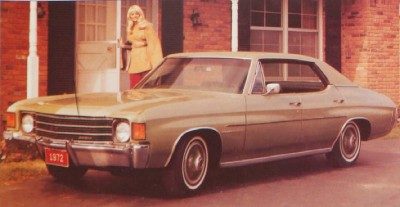

The year 1972 brought a special chapter to the Chevrolet Chevelle range, especially the Malibu model. If you’re looking for a specific Malibu coupe configuration, that’s exactly what Chevelle series. Although the metal still carries the heavy and solid weight of the last decade, the numbers speak to a changing market.
Production and price breakdown for 1972
Let’s look at the raw data. The Chevelle’s nameplate is the volume driver. Chevrolet produced 339,360 standard model Chevelles that year. These cars landed in a weight range from 3,172 lbs to 3,438 lbs. Depending on specific option packages and engine choice, buyers can expect dealer prices to range from $2,636 to $3,187. It was affordable American motoring, but prices are going up, just like insurance premiums are going up.
The station wagon version tells a different, but smaller story. The total production for the wagon was 54,335 units. These are heavier beasts, weighing in at 3,605 to 3,943 pounds. Price tags reflect structural mass and practicality and range from $2,926 to $3,538.
“The 1972 Chevelle represented the end of an era before emissions equipment began to choke the horsepower curve, and weight and size remained the primary measures of performance.”
Contextualizing the Numbers
Why are these numbers important? The 1972 Chevelle’s weight gain was no accident. It was a response to federal safety standards and consumer comfort expectations. The wagon class’ extra hundreds of pounds highlights the utility on practicality, but even the sedans had more steel than the 1970 models. The price increases are equally significant. As inflation rises, the gap between a base Chevelle and a well-equipped Malibu narrows, forcing buyers to make tougher choices about where to allocate their funds.
For enthusiasts tracking down original examples, these production numbers serve as a reality check. In 1972, 339,360 Chevelles were produced. This meant that while parts were available, unmodified, low-mileage vehicles became increasingly difficult to find. The market for these cars is no longer just nostalgia. it’s about preservation of a specific mechanical era.
Moving Forward
The 1972 data set the stage for the next one. As emissions regulations tighten and fuel economy questions begin to dominate the news, Chevrolet must adapt. The Chevelle would continue, but the golden rule of “bigger is better” is beginning to crumble under the weight of its success.
1973 Chevrolet Chevelle and Malibu
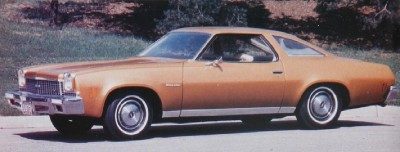

1973 Chevrolet Chevelle and Malibu Colonnade Styling Transformation
The 1973 Chevrolet Chevelle and Malibu lineup featured General Motors’ new “Colonnade” styling, a radical departure from the previous generation. With a semi-fastback roofline, curved door frames and large rear quarter windows, this design language completely replaced the long-lived pillarless hardtop coupe body style. The result is a significantly redesigned front and rear end, resulting in a vehicle that looks distinctly different from its predecessor.
Body and dimensions changes
The wheelbase remains unchanged at 112 inches for the two-door model and 116 inches for the four-door sedan, but the overall dimensions have changed. The 1973 Chevrolet Chevelle and Malibu models are 5 inches longer and 1 inch wider than before. A notable standard feature on all 1973 Chevrolet Chevelles and Chevrolet Malibu were front disc brakes.
New Laguna equipment level
In an effort to push Chevrolet’s marketing into the premium market, the company introduced top-of-the-line Laguna coupes and sedans that are more capable than the regular Malibu versions. The Laguna was designed to compete directly with GM’s other mid-priced A-body models, including the Buick Century, Oldsmobile Cutlass, Pontiac LeMans, and Ford Gran Torino.
Laguna models feature a body-colored polyurethane front end with a chrome die-cast grille and circular parking lights. There are also two versions of the Laguna station wagon variants: the base model and the Laguna Estate.
Engine options and performance
The convertible was dropped from the Chevelle lineup for this model year, although the Super Sport (SS) coupe remains available. In a unique way, buyers can now for the first time order an SS wagon with a 454-cubic-inch V-8 engine. This combination of sporty and practical wagon benefits only continued into the 1973 model year.
Engine specifications vary by trim.
* Standard Chevelles: Standard engines include a 250-cubic-inch six-cylinder or a 115-horsepower 307-cubic-inch V-8.
* Laguna: Powered by a 145 horsepower 350 cubic inch V-8 engine with a 2-barrel carburetor. A 175 horsepower version of this engine also appeared in other Chevelles.
* Super Sport: The top-of-the-line SS engine is a 454-cubic-inch V-8 engine that produces 245 horsepower.
Sales and market reaction
Consumers responded positively to the renewed design. Chevrolet sold 327,631 Chevelles and 59,108 station wagons during the 1973 model year. The Malibu version still outsells other models by a wide margin. The expensive Laguna coupe and sedan also did well, with 56,036 units sold.
The Super Sport option was installed on 28,647 Chevelles. In particular, 2,500 of them were equipped with 454-cubic-inch engine. This year marks the final year for this SS series engine lineup, marking the end of an era for these high-performance models.
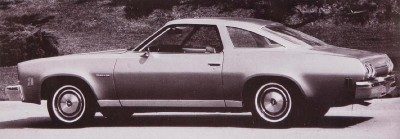

This change in aesthetics is amazing. It can be seen on the roofline of the 1973 Chevrolet Chevelle Malibu Colonnade Coupe**. Gone is the clean, traditional pillarless look that marked the beginning of the muscle car era. In its place is a semi-fastback profile anchored by a “moulded” B-pillar. This is more than just a style adjustment. It’s a structural compromise forced by regulatory changes and safety concerns. The result was a stiffer, boxier silhouette that marked the end of the original open-air muscle car experiment.
But beauty is only half the story. During this transition period, the numbers tell a different story about quantity and value.
1973 Model Segmentation: Quantity and Value
Despite shrinking profit margins, the Chevelle continues to sell well. Prices for the base Chevelle coupe start at $2,719 and go up to $3,203 for higher trims. Weight range is 3,423-3,678 lbs depending on engine and options. That year, Chevrolet sold 327,631 Chevelle units.
Station wagons have a different story. These models are heavier and more practical, weighing between 3,849 and 4,189 lbs. Prices for top-spec wagons start at $3,106 and go up to $3,795. Production decreased significantly, as only 59,108 wagons were produced.
This difference makes the market attractive. Buyers aren’t just looking for a sedan. They want practicality, but are not willing to pay a high premium for it. The Chevelle offers a middle ground, but the writing was on the wall. The days of cheap, lightweight, American performance are over.
Looking ahead: 1974 Chevrolet Chevelle and Malibu
The 1974 Chevrolet Chevelle** inherited this new reality. The colonnade body style are now the norm rather than the exception. Although the styling has been refined, the basic shape is still dictated by safety standards, not aerodynamics or style.
Enthusiasts often look back on this era with nostalgia and regret. The performance is still there, but it’s overshadowed by the added weight and emissions equipment. The 1974 Chevelle continued this trend, offering more power in theory but less power in practice due to the crackdown on high-compression engines.
For those interested in the larger context, the Chevelle’s transition from its heyday marks a pivotal moment in automotive history. This is a transition from brute force to regulatory compliance.
- Muscle Cars: Check out tire-smoking Chevrolets and other Golden Age icons.
- Sports Cars: Discover the pure joy of sporty driving in our feature article.
- Automotive Consumer Guide: Find the latest automotive news, reviews and safety information.
- Used Car Search: Check used Chevrolet cars for recalls and issues.
-
All Chevrolet Malibu: The nameplate survived the end of production in 1983 and was reintroduced in 1997.
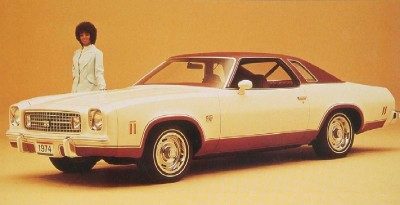
1974 Chevelle Laguna S-3: Soft-Faced Sport Coupe
The 1974 Chevrolet Chevelle lineup was a study in the chaos of change. The iconic Chevelle Super Sport badge has officially been removed, leaving a void in the performance class. But Chevrolet didn’t leave it empty for long. They filled that gap with the Laguna Type S-3, a sport/luxury coupe with more refinement and comfort designed to carry the SS torch.
In fact, the Laguna nameplate debuted the previous year on the 1973 Chevelle coupe and sedan. But the 1974 iteration was completely different. It arrived exclusively as a Colonnade coupe. This body style features solid rear pillars that give the car a sleek, pillarless look when the windows are down. a trend that was gaining traction with buyers looking for style without structural compromises of a hardtop.
One of the most striking features of the Laguna Type S-3 is its front end. Chevrolet used a “soft” polyurethane bumper and guard system. It’s not just about looks. This material is specially designed to withstand cracks, dents and scratches from parking lot collisions. It floated on hydraulic cylinders and absorbs shocks better than solid steel. This is a practical solution for cars that want to look aggressive but getting dinged up easily.
Inside, the driver and passenger have access to rotating bucket seats. You can turn them around for socializing or face forward while driving. The cockpit is dominated by a six-dial instrument cluster, where all the necessary readings are displayed at a glance. Narrow opera windows are available for those who want a little privacy or just want to reduce glare. You can also cover them with horizontal ribs for a few dollars more. This isn’t a deal breaker, but it does add a layer of customization that makes the car personal.
Production numbers for the Laguna S-3 were modest. Chevrolet produced 15,792 units. The starting price was $3,723, but that’s just the entry fee. Add to that the typical list of options like leather, stereos, and special paint, and the price can easily top $5,000. This was expensive for a mid-size American car in 1974.
Other Chevelle and Malibu lineup
Once outside the Laguna area, the Chevelle landscape was simpler. All Chevelles that are not Lagunas are given the Malibu name. These include coupes, sedans and station wagons. Chevrolet has introduced a new luxury model called Malibu Classic to its Malibu collection.
Malibu Classic is available in all three body styles. It is positioned as a more refined option with a more stylish interior, an extra body trim and a stand-up hood ornament above the special grille. This is Chevrolet’s way of offering elegance to buyers who don’t need the sporty feel of the Laguna or the raw practicality of the base model.
The engine compartment under the hood is versatile. The base engine in the Chevelle and Malibu lines is a 250-cubic-inch inline-six. Economical but not exciting. If you want V-8 power, you have four options.
- 35
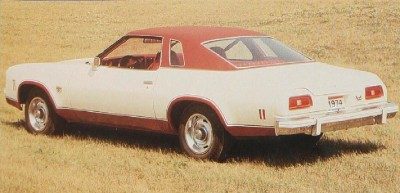

The 1974 Chevrolet Chevelle Laguna is more than just another year in the series. This is a special statement. Chevrolet tries to strike a balance between raw performance and top-notch comfort. The result was the Type S-3. It has a sharper impression than the basic model. You will feel more satisfied. But under the metal, it’s still a Chevelle.
The numbers tell the story of the brand’s transformation. The weight increases gradually. Prices were following.
Conclusion: 1974 Chevelle and Malibu stats
Production data for 1974 show that the company’s production is still increasing, but profit margins are decreasing. The Chevelle is still the sales leader, but the Malibu and wagon versions are also doing well.
| Model | Weight Range (lbs) | Price Range (New) | Units Built |
|---|---|---|---|
| Chevelle | 3,573 to 3,951 | $3,573 – $3,951 $3,049 – $3,800 | 265,943 |
| Wagon | 4,191 – 4,315 | $4,191 – $4,315 $3,701 – $4,424 | 44,108 |
Note the wagon. Heavier. More expensive. Less is built. This makes sense. You bought a wagon for utility, not for the Type S-3 package. Chevelle coupes and sedans have stylish highlights.
The Type S-3 package itself was Chevrolet’s answer to the market’s demand for something less than a grocery store. It has a special body shape. Unique rear spoiler. Interior upgrades set it apart from the regular Malibu and Chevelle SS. It is luxurious but also has an aggressive side. Has your driving style changed? Not at all. But it changed people’s perception.
Why numbers are important
See weight distribution. This wagon is more than 400 pounds heavier than the lightest Chevrolet coupe. This is important. In an era where fuel efficiency is becoming a concern, extra mass means lower fuel efficiency. This also means more inertia in corners.
The price spread tells a similar tale. The top-of-the-line Chevelle costs nearly $800 more than the base model. Adjusted for inflation, that’s a chunk of change. Wagons are more expensive than coupes, but the difference isn’t that big. Chevrolet tried to give this station wagon a sense of luxury without spending too much money. It’s a delicate balance.
What to look for now
If you’re in the market for a 1974 Laguna Type S-3, details matter. Spoiler. The moldings. The interior trim. Counterfeit products do exist. False spoilers are common. Check the fitment. Check the paint. The real deal has a specific texture and alignment. Type S-3 is more than just a sticker pack. It was a body-level modification.
Production of the Chevelle nameplate was discontinued in 1977. The Malibu lives on and evolves into something completely different. But the 1974 Laguna was a standout. This piece captures the last moments before regulations are tightened even further. Before V8
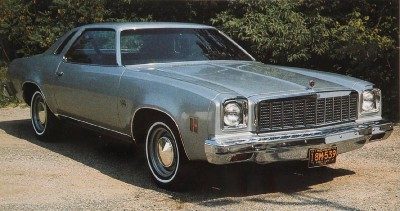

1975 Chevrolet Chevelle: The Final Evolution of an Icon
By 1975, the “Chevelle” nameplate had disappeared from the badge. The lineup is now all Chevrolet Malibu, but fans know exactly what they’re getting. This was the last era of full-size muscle before emissions regulations and the fuel crisis completely changed the industry. The styling updates were subtle but significant, marking a move towards aerodynamics and efficiency in the late 1970s.
A face that promotes efficiency
The front end now has a vertical lattice pattern grille, unlike the previous horizontal slats. It consists of a new clear trim that surrounds the rectangular headlights. This is not just about aesthetics. This is part of a wider effort to improve fuel efficiency.
At the back, the rectangular taillights are placed at the same level as the body panel. Brushed chrome panels connect them to create clean, unbroken lines. This design language is part of the new Chevrolet Efficiency System. This is a marketing term that refers to a series of modifications designed to reduce drag and improve fuel economy. The speedometer is dual-calibrated to display miles per hour and kilometers per hour, reflecting the growing global awareness of fuel efficiency.
Interior and decoration: stylish and not tacky
The marketing of Chevrolet’s Malibu Classic Coupe is very specific. They claim the interior is “comfortable but not flashy, stylish but not tacky”. In practice, that means mimicking the grain of the wood on the dashboard and focusing on materials that feel luxurious rather than look luxurious.
The Malibu Classic Coupe featured unique opera windows, a trend that reached its peak in the mid-1970s. The Landau coupe goes one step further by adding a vinyl roof, solid wheels, white tires and color-matched body stripes. These top-of-the-range models also come standard with dual sports mirrors. This exterior was designed to appeal to buyers who wanted a classic American coupe look rather than the rough edges of a late 60s muscle car.
Engine options: a combination of power and practicality
Under the hood, the 1975 Chevelle Malibu offered a series of engines that balanced performance with the new stricter emissions standards.
- Standard 6 cylinder engine: The 250-cubic-inch inline engine is the base 6 cylinder engine. It is reliable but slow.
- Standard V-8: The 350-cubic-inch V-8 is the centerpiece of most buyers’ cars.
- Performance Options: If you still need more power, a 400-cubic-inch V-8 is available. At the top of the list is a 454-cubic-inch big block with 235 horsepower.
V-8 models came standard with variable-ratio power steering, which made steering the heavy vehicle easier. All 1975 Chevelle Malibus were equipped with steel-belted radial tires, which improved handling and extended life, but also added weight.
The return of Laguna Type S-3
The sporty Laguna Type S-3 was introduced as a limited edition model in 1974. After a short hiatus, it returned in January 1975 with a more aggressive stance. This time, it features an aerodynamic nose that’s coated in a rakishly slanted polyurethane.
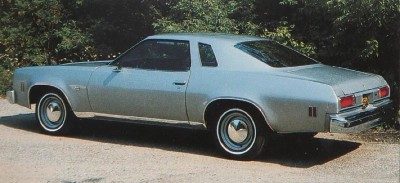

Badge work was completed in 1975. If you bought a Chevelle at that time, the badge read “Malibu”. Chevrolet did this to capitalize on the growing prestige and recognition of the Malibu nameplate, absorbing the entire Chevelle lineup under that single umbrella. The distinction between “Chevelle” and “Malibu” disappeared from the showroom floors, leaving only trim levels to differentiate the models.
A snapshot of 1975
The Chevelle’s last year of production tells the story of the brand’s transformation. While the Malibu sedan remains the sales leader, the wagon segment also holds its own thanks to its incredible durability.
1975 Chevrolet Chevelle/Malibu Production and Prices
| Model | Weight Range (lbs) | New Price Range | Units Built |
|---|---|---|---|
| Malibu | 3,642 – 3,908 | $3,402 – $4,180 | 229,939 |
| Wagon | 4,207 – 4,331 | $4,207 – $4,331 $4,318 – $4,893 | 45,582 |
What you should pay attention to is the weight distribution. The base Malibu sedan weighs 3,642 pounds, while models with higher trims and accessories top out at 3,908 pounds. It’s a pretty big hunk of metal for a midsize coupe. The wagons were heavier still, starting at 4,207 pounds and topping out at 4,331 pounds. You were buying utility, but they come with a weight penalty.
Pricing reflects mid-1970s inflation. The Malibu base price starts at $3,402. If you want more power, comfort or a two-door body model, the price quickly rises to $4,180. This wagon doesn’t come cheap either, with prices starting at $4,318 and topping out at nearly $4,900. In 1975, almost $5,000 was a lot of money for a family hauler.
Towards 1976
Model year 1975 marked the end of the Chevelle name as a distinct badge. By 1976, the change was complete. 1976 Chevrolet Chevelle and Malibu era began with a complete integration of the brand image. Enthusiasts often remember 1975 as the twilight period of the original Chevelle tradition, when the “Malibu” name began its long reign in General Motors’ midsize segment.
For those who have followed the development of these vehicles, the changes are more than superficial. This marks a shift in Chevrolet’s midsize car positioning, away from the performance-oriented Chevelle tradition and toward the broader, more family-oriented Malibu brand. This move paved the way for the Malibu to continue after the Chevelle’s demise, lasting until 1983 and finally returning in 1997 in a new guise.
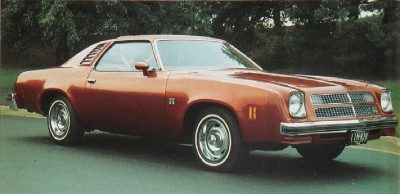
Laguna Type S-3 final lap
The 1976 Chevrolet Chevelle and Malibu lineup ended the Laguna Type S-3 lineup. This is the third and final season for this model, so those looking for big changes will be disappointed. The design remains consistent throughout. The unique quarter-window louvers and slanted body-colored urethane nose that give the car an aggressive silhouette are still visible.
Under the hood, Laguna doesn’t reinvent the wheel. It shares a circular instrument cluster with the Chevrolet Monte Carlo. Buyers can order a four-spoke sports steering wheel, swivel front bucket seats and a center console. Compare this to the smaller Chevelle, Malibu and Malibu Classic from the same year. These trims dictate a more traditional instrument panel and linear speedometer. There is no round dial.
Why Lagunas is struggling
The aerodynamic design worked wonders at the NASCAR circuit. Drivers love aerodynamics. General consumers? Not so much. They weren’t crazy about these stylish coupes. When the V-8 engine loses power, looks alone won’t attract muscle car enthusiasts to showrooms.
Despite the weak demand, Laguna’s production increased slightly to 9,100 units. However, the cost of entry has risen considerably. The base price rises to $4,621. That’s a lot of money for a 1976 midsize coupe, especially when the performance numbers don’t justify the price.
Overall picture of medium-sized cars
Despite Lagunas’ struggles, overall sales of midsize cars are strong. The Chevelle has been called “a size whose time has come.” The rest of the lineup will see some visual updates. The Malibu Classic features a diamond grille and overlapping headlights. The regular Malibu stays with the single light setup. It’s a subtle change, but it reflects the market’s desire to stay relevant without overhauling the entire platform.
Engine options and muscle death
Behind the scenes, things were calm at best. There are three V-8s in the Chevelle lineup.
- 305 cubic-inch Engine power is 140 horsepower.
- 350 cubic inches V-8 pushing 165 horsepower.
- The 400 cubic-inch engine produces 175 horsepower.
that’s it. The 454-cubic-inch V8 engine was strictly limited to full-size cars. This is not an option.
The listed accessories include the Econominder equipment package. It’s a small detail, but it confirms many people’s assumptions. Gone are the days of muscles. You now buy a car for efficiency and comfort. Not for straight-line speed.
The Laguna Type S-3 shuts down with more of a whimper than a bang. The style has remained, but the world has changed. Did anyone realize this was the last one? Probably not.
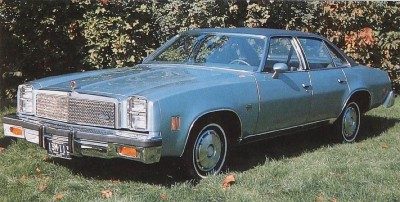

The last hurrah of the classic Chevelle was in 1976, but the name survived on the Malibu Classic. This is a car that sits between two eras. The stacked quad headlights and lattice grille give it a tough, formal feel that feels more like a mid-’70s sedan than a late-’60s muscle car. It is no longer raw aggression. This is about compliance.
1976 Sales and Specs
These numbers tell about a declining segment. Chevrolet sales are strong, but the market is moving towards smaller and more efficient cars.
Chevrolet Chevelle and Malibu Breakdown
| Model Type | Weight Range (lbs) | New Price Range | Production Units |
|---|---|---|---|
| Malibu and Laguna | 3,650–3,978 | $3,636-$4,640 | 268,522 |
| Station Wagon | 4,238–4,356 | $4,543-$5,114 | 64,721 |
The wagon market is still strong. Huge, practical and unapologetic station wagons made up almost a quarter of the total production. Buyers who need space still want a Chevrolet. But what about coupes and sedans? Their energy and sales decrease.
Look back at the past and look to the future
For those nostalgic for the golden age of American performance, the mid-1970s can seem like a dark era. But the Chevelle’s pedigree doesn’t stop there. Nameplates are still evolving. The heavy bodywork, quad headlights and formal grille have been removed. It is lighter, sharper and more modern.
The Malibu name didn’t disappear with the 1983 model year. It survived. It adapted. Introduced in 1997, the modern Malibu continued the tradition from 1964 and kept its name. But what about the 1976 Chevelle? It was the end of an era. The grille has faded. Stacked lights dimmed. Muscle car dreams were put on hold.
How does Chevrolet maintain its brand strength as the market abandons large cars? They didn’t fight it. They folded. they moved. In doing so, they preserved the name to the next generation.
The Chevelle’s last stand was silent. Even polite. But this is final.
The “smart money” compromise
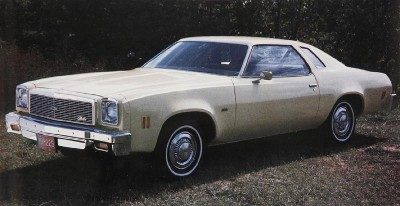
Chevrolet called its 1977 Chevelle and Malibu lineup “America’s smart money car,” a slogan that served two purposes. This is a direct reference to the affordable price and packaging. These cars are designed to be big on the inside and small on the outside. Practicality won out over presence.
Style updates came. The new grill debuted in the entire collection. The basic Malibu coupe has single headlights and a unique grid pattern. However, the Malibu Classic uses a vertical grille layout. It retains the twin-stack headlights and stand-up hood ornament that gave the upper trim model a luxurious feel. The rear lights of the classic model have 6 segments. The standard Malibu grill remains mostly unchanged.
Behind the scenes, you have far fewer options. Gone are the days of big-displacement V8 engines, and Chevrolet has responded by simplifying its lineup. Gone forever is the big 400-cubic-inch V-8 engine.
The base engine is still a 250-cubic-inch inline six cylinder. If you need more power, the standard V-8 engine is a 305-cubic-inch unit rated at 145 horsepower. The only real upgrade path is the four-barrel 350-cubic-inch V-8. It produced 170 horsepower. This engine is standard only on the Malibu Classic Wagon and marks a change in the area where performance matters most.
Interior and decoration details
There aren’t many of them, but Malibu classics take luxury to a new level. Inside, there are split cloth and vinyl front seats. The steering wheel was color-keyed to the exterior. The dashboard is decorated with wood grain, which distinguishes it from the utilitarian basic model.
The options are relatively simple. A $46 exterior trim kit adds cosmetic upgrades. Tinted glass cost an additional $54. Full wheel covers are a $33 option. Back then, you had to pay extra for glass and the covering on the steel.
Sales information
The market responded to the luxury of the classic model. Chevrolet produced 37,215 Malibu Classic Landau Coupes. By comparison, a total of 73,739 regular Classic Coupes rolled off the assembly line. 28,793 Malibu basic coupes were sold. The margin was substantial. This trend also applies to four-door sedan body styles. Customers are willing to pay more for vertical grille and interior upgrades.
The estate wagons and the Laguna Type S-3 have been removed from the range. However, Chevrolet continued to produce the Chevelle-based El Camino pickup truck. It remains a niche option for those who need practicality without sacrificing car-like driving dynamics on the Chevelle platform.
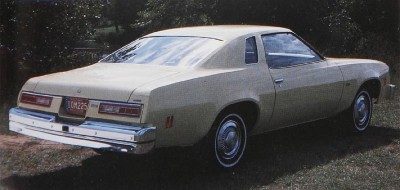

If you go for the classic look, the base coupe comes with whitewall tires and full wheel covers. It was a small change, but it defined the aesthetics of the era.
Let’s look at the numbers. They don’t lie, even if they make a grown man weep. The Malibu weighs 3,551 to 3,824 lbs. You could have bought it for $3,885-$4,595. Chevrolet produced 255,587 units.
Then there’s wagon. It is heavier by design. My weight jumped from 4,139 kg to 4,263 kg. Prices increased from $4,734 to $5,208. production? 72,629 units.
1978 Chevrolet Malibu
In 1978, the curtain opened. The nameplate has also been preserved. The spirit? Fading. But what about metal? It’s still there.
If you’re looking for a 1978 Chevrolet Malibu, know what you’re getting. It’s not a late 60s muscle car. This is the end of an era. The body styles are familiar, including coupes, sedans and versatile station wagons. But engines change. The big block is dying. The small block V8s are being strangled by emissions equipment.
** You may be wondering why the Malibu survived its 1978 redesign. **
Because GM needs sales. Malibu sales are huge. It’s on Nova. Under Monte Carlo. The middle child. Reliable. boring. It was sold in large quantities.
1978 Malibu Engine Options
What was the driving force behind the 1978 model?
- 229 cubic inch V6 : Base engine. 3 liters of smooth, unexciting power. This is the only option for the basic model. Adequate for commuting. It’s not for passing.
- 262 cubic inch V8 : Entry-level V8. Sintered iron block. Thin walls. Not suitable for heavy loads. But the torque is better than the 6.
- 305 cubic inch V8 : Workhorse. Small blocks with short strokes. Reliable. Forgiving. This was the heart of most Malibus in ’78.
- 350 Cubic inch V8 : Performance option. Available in Malibu, but primarily in Laguna. If you can find a 350 in Malibu, you’re in luck. The power of these engines is about 145-150 horsepower. Net figures. The actual power is less.
The 1978 Malibu wasn’t about performance. It’s about survival.
Where to find them today
It is rare to find those in good condition. Most people use their car every day. Rust is a great enemy. See rocker panels. floor pans. rear quarter panels. Cars with a sturdy body have a future.
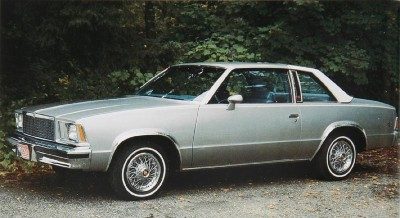

1978 Chevrolet Malibu: Small Car, Big Impact
The 1978 Chevrolet Malibu wasn’t just a new model. This is the end of an era. The Chevelle’s nameplate disappeared. Instead, you’ll see a Malibu number. This is Chevrolet’s direct answer to America’s shrinking roads.
General Motors is cutting its workforce. The middle market needs to be rethought. They chose the name Malibu instead. This has been the best selling product in the Chevelle range for many years. I’m alone now.
The marketing team calls it “freshly baked apple pie.” clean lines. Simple shape. Nothing useless. You can buy Malibu or Malibu Classic Landau Coupe. Body models are simple: 2-door coupe, 4-door sedan and wagon. All models ride on a 108-inch wheelbase. This is a change. Earlier cars and vans were towed much longer.
The reduction in size is noticeable. The car is over a foot shorter than its predecessor. They lost 500-1000 pounds. Weight loss is important. This changes the way they approach it. It changes fuel consumption patterns.
Despite its small exterior, Chevrolet promises even more space inside. They mentioned an improved trunk. The legroom has expanded even further. More headroom. They achieve this by smoothing the curves of your body. The door becomes thinner. The seats are shell-shaped. The windows are bigger now. Improves visibility. You can see more clearly.
Under the hood, the base engine is a 200-cubic-inch (3.3-liter) V-6. It produced 95 horsepower. Humble. A simple commute is enough. If you need more power, there are options. The 231 cubic inch V-6 engine produced 105 horsepower. The 305 cubic meter V-8 engine increased its output to 145 horsepower.
There is one exception. farmer. Only trucks with large engines are available. The 350 cubic meter V8 engine produced 170 horsepower. It’s the top.
Is it effective? Yes. Sales are going well. 358,636 units rolled off the assembly line. The four-door Malibu Classic led sales with 102,967 units. People like practicality. They like efficiency.
This change has a bigger meaning for GM. A great era has passed. Efficiency increases. Economics is the new money. El Camino followed suit. Malibu style. Engine options ranged from a 350cc to a V-8. Gone are the muscle cars. The families of the immigrants stayed.
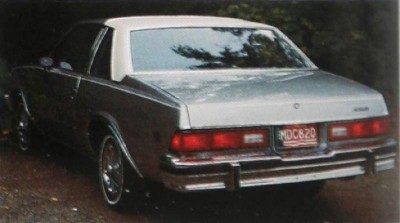

Vinyl half roof. pinstripe. Cover for a rally bike or sports bike. If you are purchasing a 1978 Chevrolet Malibu Classic Landau Coupe, these are not options. They are offers. standard. There is no room for negotiation. This is Chevrolet’s way of saying, “We knew you wanted the two-tone look, so we put it in the box.” It’s a bold, chrome-clad vinyl statement in a market that’s starting to shrink.
Number game
Let’s look at the hard data. The 1978 Malibu wasn’t the heaviest of them, but it wasn’t the lightest either. Weight range shown is 3,001 to 3,550 lbs. It’s a big piece of metal. Why is it so heavy? Emission device. Safe crease area. The slow and painful death of the light sports coupe has been replaced by a bloated but sensible grand tourer.
price? You can pay between $4,204 and $4,904 for a new one. In today’s money it seems like stealing, but back then it was serious business. Especially when inflation is high and the price of gas still has memories of the 1973 crisis.
How much do they really make? 358,636 units. That’s a lot of Malibu. This shows that the nameplate still holds true, even if the design looks a little tired. It’s a high volume play. Maintain cash flow. Keep your dealer happy.
The 1978 Malibu was a transitional car. While tacitly acknowledging that the era of pure performance is over, it remains a beacon of the traditional American midsize coupe.
A look back at the golden age
It would be easy to look at the ’78 Malibu and scoff. Yes, the lines are smoother. Yes, the engine is tuned to meet federal standards. But there is romance in it. This is the end of an era. Before everything changes, B-body takes its last breath.
If you are interested in this, you should look into it a little more. The archives are full of tire-smoking Chevrolets from the golden age of American performance. The era of muscle cars is not only over. They evolve, mutate and sometimes die. Malibu is part of that story. It’s a close relative of the Chevelle SS and a viable alternative to the Camaro Z28.
Why Malibu Matters
You might be wondering why we’re still talking about 45-year-old sedans and coupes. This is not just nostalgia. It is important to understand this change. The Malibu is a car for those who want style without the punch of a Corvette or the noise of a Camaro. This is available. Very comfortable. It had a vinyl roof because it looked “classic” in the late 1970s.
More information can be found in our consumer guide archives. comment. price. If you look at fuel economy, modern hybrid cars will blush. Safety reminder. It’s a hassle. Everything is there. A treasure trove for used car buyers
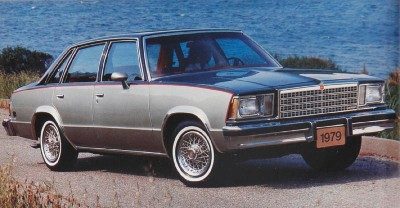

1979 Malibu: Small changes lead to big sales increases.
There was no revolution in the 1979 Chevrolet Malibu. After debuting in 1978 as the new “little” Malibu, it was pretty much business as usual the following year. The changes are superficial at best. A separate grill is included. The taillights have been redesigned, but not reinvented. This is a That was it for the sheet metal.
However, despite the lack of major updates, the market response was surprising. Sales are not only steady; they jumped away.
Engine Bay Shifts and area restrictions
In 1979, things got even more interesting. Chevrolet introduces a 267 cubic inch (4.4 liter) small-block V-8 to its lineup. This engine fills in between the base 3.3-liter V-6 and the powerful optional 5.0-liter four-barrel V-8. This allows buyers to get a middle-ground option for torque option without breaking the bank.
However, California regulations require a different approach. Due to the Golden State’s strict emissions regulations, Malibus to California cannot carry the Standard 267. Instead, only the 3.8-liter V-6 or the larger 5.0-liter four-barrel V-8 was available.
If you were shopping for a station wagon, you have a exclusive engine option: the 350 cu in (5.7 L) V-8. It produces 170 horsepower. Want it? That would will cost an additional $465. For driving purists, there is a three- and four-speed manual transmission, both of which have a floor shifters.
Trim Levels and comfort features
The 1979 Malibu was divided into two main families: the standard Malibu and the upscale Malibu Classic. Both cars are available in coupe, sedan and wagon bodies. The Classic families added a Landau Coupé version for those looking for a touch of personal luxury.
The interiors of the sedan and wagon have a practical touch: fixed rear door windows with swing-out vents. This enables draft-free ventilation and a nice relief from stuffy air inside the car in the summer.
Malibu Classic stands out for its visual flair. additional bright window trim and vinyl-clad body moldings. Buyers can further customize the ride with a vinyl roof, special gauge clusters, wire wheel covers, auxiliary lighting, powered rear vent windows and the coveted Power Skyroof.
Build quality and Production Numbers
Chevrolet marketing materials rely heavily on structural integrity. It has a double panel door, full-perimeter frame and coil springs all around. This is a message for buyers concerned about the small size and potential fragility of the new “small” cars.
The strategy worked. The production figures speak for themselves. Chevrolet rolled out 412,147 Malibu in 1979. This has been a solid increase since 1978 when 358,636 units were produced. The market likes this compromise. In other words, it’s a smaller, more efficient car that doesn’t feel completely stripped down.
The sales spike shows that consumers are ready to accept new size, as long as comfort and options remain the same.
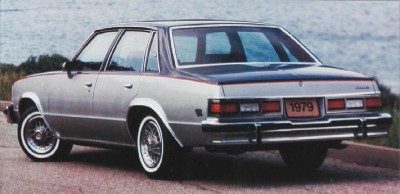
1979 Chevrolet Malibu The visual enhancements are subtle but noticeable. The front grille has been given a new look and the rear taillights have been redesigned to meet changing federal safety standards and aesthetic trends. These are minor updates to an already aging model, but they make the car look stylish enough for a buyer looking for an affordable large sedan.
1979 Chevrolet Malibu Specifications
Despite the cosmetic updates, the underlying design remains largely unchanged. The 1979 Chevrolet Malibu still relied on the traditional body-on-frame construction, but this configuration was becoming outdated compared to the unibody models popular in the small and midsize segments.
| Information | Information |
|---|---|
| Model | Chevrolet Malibu |
| Weight Range | 2,983-3,325 lbs |
| New Price Range | $4,812-$5,600 |
| Units Produced | 412 147 |
The weight range reflects the variation in available powertrains and trim levels. The lower models have basic models with a smaller displacement and minimal options. The top-of-the-line Malibus has a V8 engine and luxury features that bring the curb weight closer to 3,300 pounds.
Prices ranged from about $5,000 to $5,600 in 1979, placing the Malibu firmly in the mainstream family sedan category. It’s not cheap, but it’s readily available. Production numbers of more than 412,000 units show that demand for large sedans in the United States remains strong despite the energy crisis and changing consumer tastes.
Entering 1980: The End of an Era
When the 1980 Chevrolet Malibu rolled off the assembly line, the automotive landscape changed dramatically. The oil crisis of the 1970s made buyers prioritize fuel economy over raw power and size. The Malibu and its Impala and Caprice siblings began to feel heavy and thirsty.
The Malibu did not undergo a major mechanical overhaul in the 1980 model year. Instead, it served as a holding pattern. Chevrolet is already eyeing the next X-body (X-car) platform, which will eventually replace the aging A-body chassis used in the Malibu. But by 1980, large sedans continued to soldier on.
Malibus from the late 1970s and early 1980s are often overlooked by enthusiasts. They lacked the raw aggression of late 60s muscle cars or the sleek, modern efficiency of late 80s F-bodies. But they represent a particular moment in time: the twilight of the American body-on-frame sedan. It is comfortable, spacious and simple to work on.
If you are looking to restore or repair a 1979 Chevrolet Malibu or its 1980 Chevrolet Malibu successor, the availability of mechanical parts is usually good. Engines, especially small V-type engines
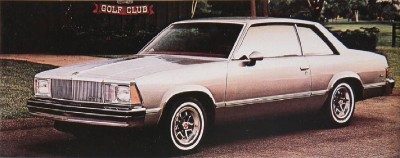

1980 Chevrolet Malibu: Engine change and declining sales
The 1980 Chevrolet Malibu didn’t reinvent the wheel. The decade started with minimal style changes, but something interesting happened behind the scenes. General Motors rebuilt the engine block, effectively replacing the old 200-cubic-inch V-6 with a more powerful 229-cubic-inch unit.
The math works in your favor. Horsepower jumped from 94 to 115. The extra grunt shaved 1.5 seconds off the 0-60 mph time. result? This launch was still slow at about 17 seconds, but it was significantly less sluggish than the previous year.
For those looking for more power, the V-8 series is still an option. The 267-cubic-inch engine produced 125 horsepower. The 305-cubic-inch V-8 is rated at 155 horsepower, minus 5 horsepower. The 170-horsepower “hot rod” 350 V-8 produced in 1979 was completely discontinued. Gearbox selection follows trends. A three-speed manual transmission was standard, but most buyers opted for a three-speed automatic transmission.
Handling is slightly improved thanks to the F-41 sport suspension. Available on V-8 models, this package transforms the normally smooth-riding Malibu into a car that can really corner with purpose. This is a family carrier that will do you justice as long as you keep your feet off the floor.
The trim level remains unchanged. The 2-door coupe, 4-door sedan and 5-door station wagon are available in basic and classic versions. Sedan cars dominate the showroom. The Classic model outsold the base model, perhaps because the additional features justified the price increase.
The price increase was huge. The price went up by about $600. More than 10%. This popular classic sedan currently retails for around $6,000.
Why Malibu Failed in 1980
Rising prices collide with the ongoing fuel crisis. The market has changed. Import competition is intensifying. Internal competition with the new Chevrolet Citation is eating away at the Malibu’s lunch.
Sales reflect pain.
- 1979 sales: 377,000 units
- 1980 sales: 278,000 units
The decrease in the number of cars by almost 100,000 is not a small phenomenon. This is a type of bleeding. Still, by selling nearly 280,000 units in one year, the Malibu established itself as a mid-level contender. Although it is no longer the sales king it used to be, it has not disappeared. Malibu has adapted. It survived. The 1980s were just beginning.
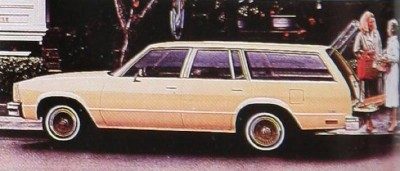

1981 brought major changes to the Chevrolet Malibu, reflecting increasingly stringent fuel economy standards and changing consumer tastes in the early 1980s. This is a significant year for the Malibu as it begins the transition from a traditional rear-wheel drive midsize car to a smaller, more efficient front-wheel-drive platform.
Model development and platform changes
For 1981, the Malibu continued with its traditional rear-wheel drive configuration, but received significant upgrades. The body model range is relatively consistent with previous years, with sedan and wagon versions available. However, subtle improvements have been made to the interior and exterior design to improve aerodynamics and fuel economy. The front end features a new grille design, and the taillights have been updated to meet new safety regulations.
Under the hood, the Malibu offers a variety of engines designed to balance performance and added miles per gallon. The base engine was a 229 cubic inch V6 mated to a variety of transmissions, including a three-speed automatic or a four-speed manual. More powerful options include the 267 cubic inch V8, which offers modest horsepower compared to previous years, but plenty of torque for a vehicle this size. The Malibu didn’t yet have fuel injection, so carburetor engines were the norm.
Performance and fuel economy
The 1981 Malibu’s performance figures reflected an era focused on efficiency. The 229 V6 produced about 110 horsepower and the 267 V8 produced about 125 horsepower. These numbers may seem small by today’s standards, but when you consider the emphasis on fuel conservation following the oil crises of the 1970s, they were typical of the time.
Improved fuel efficiency is an important selling point. The EPA estimates that the Malibu V6 gets about 20 mpg combined in city and highway driving, while the V8 gets slightly less fuel economy due to the increased displacement. This is a big step up from the larger, more powerful engines of the 1970s, and will help the Malibu remain competitive in a market increasingly dominated by smaller, more efficient vehicles.
Price and production quantity
The 1981 Chevrolet Malibu is competitively priced in its segment. The base price of the Malibu sedan starts at around $6,000, with wagon models going up slightly. Options such as air conditioning, power steering and upgraded sound systems can increase the price, but well-equipped models are still affordable for most middle-class buyers.
Malibu production in 1981 was impressive, with Chevrolet producing over 200,000 units. These numbers confirm the model’s popularity despite the growing competition from smaller imports and domestic subcompacts. Malibu has been able to maintain a loyal customer base because it offers a comfortable and spacious ride at an affordable price.
Legacy and Transition
The 1981 Malibu marked the end of the traditional rear-wheel drive midsize Chevrolet era. In 1983, the Malibu was reborn as a front-wheel-drive compact car that shared General Motors’ J-body platform with the Chevrolet Citation and Pontiac Phoenix. This change represents a significant change
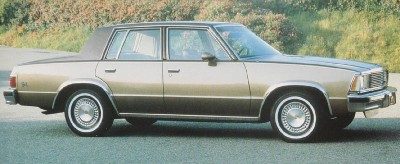

Malibu square silhouette
The 1981 Chevrolet Malibu got a makeover, and the model has remained largely unchanged since its 1978 debut. The sedan is the most obvious focus of the changes, with a square roofline and a semi-formal rear window. It has a sharper, more upright appearance than its Buick and Oldsmobile siblings.
Behind the scenes, things are more subtle, but still important. These engines retain technology from 1980, but now work with GM’s Computer Command Control (CCC) emissions system. Power figures across the board suffer small blows. The base 229-cubic-inch V-6 horsepower has been reduced from 115 horsepower to 110 horsepower. The California-only the 231 cubic inch Buick V-6 still makes 110 horsepower.
The V-8 has more severe limitations. The 305-cubic-inch V-8, now rated at 150 horsepower, was banned from sedans and coupes and moved entirely to station wagons. That leaves the 267-cubic-inch V-8 as the only engine that can be optionally installed in non-wagon vehicles. It has 115 horsepower. A lock-up torque converter has been added to the three-speed automatic to improve fuel efficiency on highways.
Sales and price updates
The sedan is still the mainstay of the Malibu collection. The equipment level matters, because the more luxurious Classic version sells better than the basic model. The same trend is underway in station wagons and coupes, where buyers want more dressier trims.
Then came the price increase. Chevrolet prices have risen across the board. The top model, the Classic Sedan, jumped more than $1,000 to $6,961. Although the wallet was tight, sales were down only slightly. Total sales were just under 242,500.
“The 1981 Chevrolet Malibu represents a ‘radical’ styling update for a car that has remained largely unchanged since its introduction in 1978.”
Interestingly, there was little market push back. $1000 was a lot of money in 1981, especially since the car itself hadn’t changed much in three years. While some might say the square roofline is the main attraction, the CCC system and lockup converter show that GM is trying to squeeze the last mile out of the gallon. The numbers don’t lie – people are still buying it. It’s just less than before.
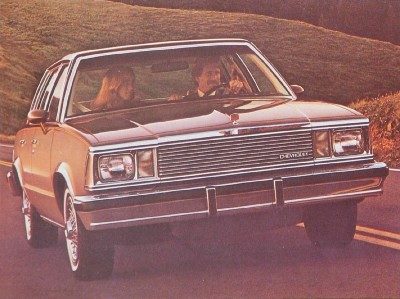

The 1981 Chevrolet Malibu lineup included a sports sedan, a body style that appealed to the aesthetic tastes of the time. Chrome wheels in the model? The additional fee is $135. Details like these are what separate the casual observer from the true enthusiast.
1981 Chevrolet Malibu Production Information
Let’s look at the numbers. Base weights for the 1981 Malibu ranged from 3,028 pounds to 3,390 pounds. It’s not that heavy by today’s standards, but it’s important for a compact car that prioritizes fuel efficiency.
Prices for new buyers range from $6,548 to $7,142. It’s the price tag. These can be bought from a retailer for around £7.
Chevrolet sold 242,447 units. Last year’s model worked well even before the platform change.
“The Malibu nameplate survived the changes of the early 80s and evolved into the brand-defining rear-wheel drive platform of the 90s.”
For more background on US Steel, look at it from a different perspective. The music car era was in stark contrast to the gas-guzzling sedans of the early 1980s. Dive into history with this article on Chevrolets from the golden age of tire smoke.
For those who prefer to deal with raw power, our sports car archive covers the purest form of driving offered by manufacturers around the world.
Real ownership? This is where the Automotive Consumer Guide can help. Your source for the latest news, reviews, prices and safety information on the latest minivans, SUVs and pickup trucks.
Want to buy used? Consumer guide Used car search The report tracks used car safety recalls and common defects. If you are considering a classic Chevrolet, this is a must read.
Especially in Malibu, the name stuck after 1983. This line continues in the new era Malibu released in 1997. That generation completely flipped the script and moved away from the rear-wheel drive tradition.
To understand how Chevrolet achieved this goal, you have to look at the big picture. The history of the brand, which dates back to 1911, is a wonderful story of American industry.
1982 Chevrolet Malibu
Time passes in 1982. The platform still exists. The mood remains. But the market is changing.
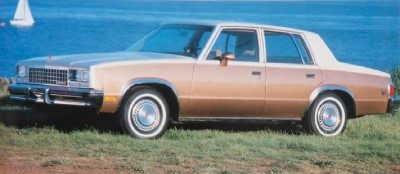

1982 Chevrolet Malibu Diesel Gamble
The 1982 Chevrolet Malibu barely made the sales list. While Chevrolet’s new front-wheel-drive Celebrity eats up its market share, the rear-wheel-drive Malibu is fighting for market position.
The range of car models is decreasing. The 14 trim levels have been reduced to just four. The Malibus base is gone. The coupe is gone. All that remained were classic sedans and station wagons with a V-6 or V-8.
Visually, the car tends to look bigger than it actually is. The front mimics the Chevrolet Caprice with a criss-crosshatch grillee pattern and square headlights.
But the real story is under the hood. General Motors offers two diesel engines.
The first was an 85 horsepower 4.3 L (262 cu in) V-6 engine. It can also be seen in the Celebrity.
The other had a 105 horsepower 5.7 L (350 cu in) V-8 engine. This is reserved for Chevrolet full size trucks and cars.
Mileage was good. The cost was not.
The V-8 diesel sedan adds $825 to the $8,137 base price. This makes it a premium option.
The service record is terrible. Both diesel engines are known for their reliability issues.
Subtle changes have been made to the gasoline engine. In the California-placed car, Chevrolet’s 229 cu in (3.8 L) V-6 replaced Buick’s 231 cu in V-6.
Why is this important?
Malibu is in decline. The Celebrity was rising. Diesel was a desperate attempt to increase its appeal.
It didn’t work.
The 1982 Malibu was a transitional model. Blip. A footnote.
The crosshatch grille gives a sharp impression. Diesel sounds good. The reality is different.
Sales are declining. The options disappear. The V-8 is too expensive.
This is the end of an era. The rear-wheel-drive Malibu survived, but it was no longer the same.
The Celebrity was the future. Malibu is the past.
1982 was a turning point. Diesel was a mistake. The advantage of the engine is not its service life, but the mileage.
The prices are very high. The rewards are low.
The California got the 229 V-6. The same options are available in other parts of the country. But the diesel stands out.
It’s expensive. They were unreliable. These are the defining feature of the 1982 Chevrolet Malibu.
You can buy a diesel Malibu brief moment. Then it disappears.
The crosshatch grille also remains. Diesel engines are a myth. The Celebrity took the wheel.
Malibu followed. Behind. fade.
This is a story of change. poor choices. engines that promised more than they delivered.
The 1982 model is now a collector’s item. For different reasons.
Diesel is rare. Sedans are common. wagons is… well, a horse-drawn carriage.
But what about diesel engines? They’re the story.
Premium $825. 105 horsepower.
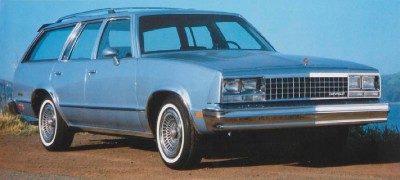

The last year of the classic body style
1982 was a transitional year when the coupe and convertible options were removed, leaving only the sedan and wagon. Although the options narrowed, the core Malibu image remained unchanged for another year, until the body-on-frame era ended.
If you’re looking for exact numbers on these last classic Malibu, the numbers are easy. Production remains stable, but modest. Chevrolet produced a total of 116,125 vehicles. Not massive by the standards of the C-body giants of the 1970s, but enough to make parts reasonably accessible to today’s restorers.
The weight figures tell about the downsizing efforts that started in the late 1970s and continued in the early 1980s. Weights for the sedan range from 3,091 pounds to 3,240 pounds. This is a significant reduction compared to the heavy iron of previous generations, and is a necessary step to meet CAFE standards and maintain buyer interest in the economy-driven market.
Prices reflect the inflation of the time. Prices for the new 1982 Malibu range from $8,137 to $8,335, depending on equipment and options. Adjusted for inflation, that would now be around $25,000 to $26,000. It’s not cheap for family hauler, but the volume is affordable enough when the economy starts to stabilize.
Why the 1982 Malibu Matters Now
You may be wondering why this vintage is important to today’s collectors and enthusiasts. The answer lies in its position as a bridge. The 1982 Malibu was the last sedan with a full-size body until Chevrolet switched to the smaller front-wheel-drive A-body in 1983. For many enthusiasts, this departure marked the end of an era for the 1982 model.
Often overlooked, the station wagon version deserves attention. It was one of the last large wagons offered by the Detroit Three manufacturers before the market shifted entirely to minivans in the 1990s. These vehicles are functional, durable, rarely modified and can be found in original, unrestored condition. It is a rare item.
What to Look for in a Used 1982 Malibu
If you’re looking for one of these 116,000 examples, focus on the mechanicals. The V8 engines of this era were powerful but required maintenance. Check for signs of coolant leaks around the freeze plug, a common failure point for these blocks. Transmissions, especially automatics, should shift smoothly without hesitation.
Check for rust spots. Although lighter than the 1970s models, these cars still suffered from rocker panel and floor pan corrosion. A clean undercarriage is a good indicator of maintenance by previous owners. The interior often shows signs of wear, especially in wagon versions, the driver’s seat and the steering wheel. Replacements exist, but they can be expensive and hard to find.
These car electronics are notoriously picky. If the ignition switch fails (which often does), the radio, wipers and turn signals fail.
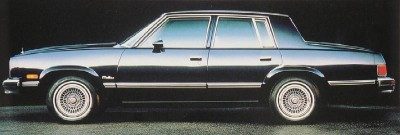
End of an Era: 1983 Chevrolet Malibu Final Year Specifications
The 1983 Chevrolet Malibu didn’t just close that chapter. This marks the end of the entire rear-wheel drive Malibu line. This is the end of a model that has defined Chevrolet’s midsize segment for years. The nameplate was finally revived in the late 1990s, but its 1997 revival included a front-wheel-drive platform. A completely different beast.
The final model year was the sixth and final model of that generation. Visually? Not much has changed. Sedans and wagons retain their familiar shapes. Chevrolet has dropped the “Classic” prefix from trim names, a subtle branding change that marks the end of the road. Some of the standard sets have also been removed. Wheel covers? Gone. Exterior moldings? Gone. Now you have to pay extra for the flash you used to get for free.
Engine compartment: What’s under the hood?
Powertrain options are becoming more and more streamlined. The 4.4-liter V8 disappeared from the lineup. That left the 5.0-liter V-8 as the only gasoline V-8 option It pushed 150 horsepower Previously, that big block was reserved only for wagons. In 1983, it was also installed in sedans.
The base engine is still a 3.8-liter V-6 cylinder. It churned out 110 horsepower However, the California model had a Buick V-6 engine with nearly identical specifications. Emissions regulations often dictate these swaps.
For savers, diesel is still an option. The 4.3-liter V-6 diesel offered 85 horsepower The durable 5.7-liter V-8 diesel engine produces 105 horsepower. Both will continue to appear on the options lists for those who prioritize torque and fuel economy over raw acceleration.
Sales and market background
Ironically, the last year was a success. The 1983 Chevrolet Malibu sold just over 117,400 units. The figure is higher than the 1982 figure. It has a lead of about 22,000 units on the new Chevrolet Celebrity. It stayed ahead … by roughly 25,000 than the struggling Citation.
Why is this old-fashioned rear wheel drive still relevant? Introduced in 1982, the Chevrolet Celebrity was considered the future. It wasn’t an instant phenomenon Drivers still rely on the simplicity of the rear wheel drive mechanism. Malibu has a reputation for durability. People liked the badge
This loyalty guarantees the continuity of the name. The 1997 Chevrolet Malibu arrived to claim the mantle, but the 1983 wagon was the last of its kind. That era ended quietly. After that, sales dropped when the front-drive platform took over fully. The rear-wheel drive Malibu is now a thing of the past. Garages and collections preserve certain parts of automotive history.
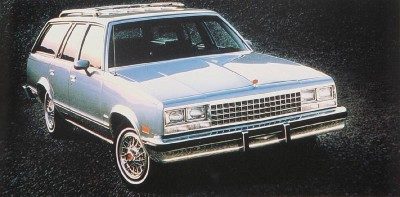

Malibu 1983 details
If you’re looking for hard numbers for the final year of the original Malibu, they tell the story of the brand’s transformation. The 1983 Chevrolet Malibu lineup was more than just a sedan. This included a station wagon model that rounded out the lineup for the year and felt like a staple before the mid-80s facelift.
Here is the raw data for the 1983 Malibu.
Model: Malibu (including wagon models)
Weight Range (lbs): 3,199 – 3,470
This weight bracket puts the Malibu in the compact class. It’s heavier than direct competitors from Ford and Dodge, but light enough to make the base engine feel nimble. Weight varies depending on equipment level and accessories. The basic coupe gives a light impression. This wagon has extra sheet metal and interior space, pushing it towards the higher end of the range.
Price Range (New): $8,084-$8,442
Prices were high in 1983. Inflation has weakened purchasing power for years. You pay a premium for the Chevrolet badge and the reliability of the GM platform. For that money, you get a nice, if not particularly exciting, car. The difference between the lowest and the highest price is narrow. In 1983, options weren’t as important as they are today.
Production number: 117 426
Production is steady, but not explosive. This is not the best-selling model in the Chevrolet lineup. Caprice carried the heavy lifting in the full-size segment. The Malibu creates a niche market for buyers who want something bigger than a Chevrolet Nova but smaller than a full-size sedan. 117,426 units is quite a number. It suggests a loyal, if modest, customer base.
Why It Matters
The 1983 Malibu was a special moment in automotive history. This was the last model before major changes in body style. These end-of-the-era models are sought after by collectors. They represent the end of one design philosophy and the beginning of another.
In particular, wagon variant have practicality that sedans lack. You can haul tools, groceries, or luggage without folding the non-folding rear seats. Practicality was a big selling point of family cars in the early 1980s.
Context and Comparisons
How does the 1983 Malibu compare to its competitors? While the Ford Fairmont and Dodge Omni share some market space, the Malibu offers a more traditional front engine and rear wheel drive system. This enables a different driving experience. The car felt planted. Steering is direct. It’s not sporty, but it was predictable.
In 1983, Fuel economy was a concern. The oil crisis of the 1970s had a lasting impact on consumer behavior. Buyers are looking for efficiency. The basic Malibu engine offers enough range for the daily commute. It’s not a hybrid, but it’s not a gas guzzler either.
A look into the future
The Malibu name didn’t disappear after 1983. It evolved. The next generation was launching in 199


