A skilled dealer can buff a flood-damaged car until it gleams like a showroom floor. Don’t let the shine trick you. Buying a vehicle with a watery past is a high-stakes gamble. But a wet history doesn’t automatically mean the car is a total write-off. The real question is whether the risk is worth the reward. You need a strategy to decide if you should throw caution to the wind. There are specific factors that determine if this is a smart buy or a financial trap.
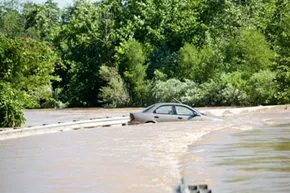
First, look at the water line. If the floodwaters didn’t rise above the seat bases, you might dodge major electrical nightmares. The car could end up with surface rust and corrosion, but the engine and transmission might survive intact. If the water level was higher, even if the car starts fine today, electrical gremlins could appear months from now. Depth matters.
Time is the second variable. How long was the vehicle submerged? The longer it sat in the muck, the deeper the damage penetrates. Fresh water is annoying. Salt water is destructive. Salt accelerates corrosion aggressively, eating through wiring harnesses and structural components much faster than a rainstorm ever could.
Check the title immediately. Does it carry a “Flood,” “Salvage,” or “Junk” stamp? If it does, an insurance company or bank decided the car was irreparable at some point. Unless a shop has spent thousands restoring it to pristine condition, expect problems. A stamped title is a red flag that the insurance industry saw this car as a loss.
Who Should Buy a Water-Damaged Vehicle?
These cars make sense for specific buyers. If you need short-term transportation, the risk might be manageable. A recent college graduate might buy a cheap, flood-damaged sedan just to get to job interviews. Once employed, they can sell it or upgrade. The goal isn’t longevity. It’s mobility.
Snowbirds fit this profile too. Retirees who spend winters in warm climates might use a flood-damaged car as a secondary vehicle. They can leave it at their southern home for the summer months. If it breaks down, they aren’t stranded in their primary residence.
Enthusiasts also target these vehicles. They buy damaged cars on the cheap and rebuild them. For a gearhead with a lift and a parts inventory, a flooded chassis is just a puzzle. For everyone else, it’s a money pit.
The Price Must Be Right
Any car exposed to significant water should sell well below market value. If the dealer can’t prove extensive, documented restoration, you should demand a steep discount. You are assuming substantial financial risk. Major repairs could be lurking behind that shiny paint.
Never pay more for the car than you are willing to lose if the worst-case scenario hits. Also, remember that manufacturer warranties are typically voided once a car is declared a total loss. You are on your own for repairs.
Factor in resale value. Or rather, the lack of it. Most people agree that flood-damaged cars have virtually no resale market. You might buy it for $5,000, spend $3,000 fixing it, and find no one will buy it from you for more than $4,000. The math rarely works for the average buyer.
Flood-Damaged Cars FAQs
Are flooded cars sold at dealerships?
If the car isn’t drivable, insurance companies buy it to settle claims. They then auction it as “salvage.” Unfortunately, some unscrupulous dealers clean up these vehicles and sell them as retail stock. Always check the title history.
Is it safe to purchase flood-damaged cars?
Safety depends on the extent of the damage. These cars are usually sold at a significant discount, but that discount buys you peace of mind, not reliability. Extensive repair costs are common. Electrical systems can fail, leading to unexpected stalling or brake issues.
Can flooded cars be repaired?
Yes and no. Rainwater is less damaging than saltwater. If the water was fresh and the submersion was brief, repair is possible. Saltwater requires replacing nearly every wire and connector. Only experienced mechanics should tackle this work. If the car was submerged for a long period, it may need a complete rebuild. Sometimes, it’s not worth the trouble.
How can I identify a flood car?
Look for specific signs. Rust under the dashboard, hood, and on pedals is a major warning. Check for muddy residue under the seats. Water lines on carpets can be sanded down, so look for rust on metal components. Another telltale sign is water droplets trapped inside headlight or taillight assemblies. If you see these, walk away.