


You know that feeling when you load your hatchback with heavy boxes of ceramic tile from the home improvement store. The rear suspension groans. The back bumper drops toward the pavement while the front end lifts up. It’s obvious. That little car isn’t built to haul tons of stone.
Even if you swap the hatchback for a pickup or an SUV, the physics don’t change much. You just need a lot more tile to see the rear end sink. These vehicles are engineered for payload. But then there’s the recreational vehicle.
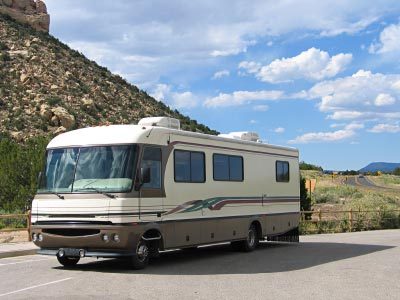
Load those same boxes into a massive RV, and you might not notice a thing. The chassis is stiff. The springs are stout. The weight feels negligible. So how do you know when you’ve crossed the line? When does “heavy” become “dangerous”?
The answer lies in one specific number: your RV’s Cargo Carrying Capacity, or CCC.
It’s not a guess. It’s a calculation. And if you’re planning a long trip with full tanks of fluid, full propane cylinders, and a family on board, getting this wrong is a recipe for blown tires, bad handling, or worse.
The Math Behind the Limit
Manufacturers don’t just guess this number. They derive it through a strict formula designed to keep you on the road and under the limits of your suspension and brakes. To find your CCC, you start with the Gross Vehicle Weight Rating (GVWR). This is the absolute maximum weight the vehicle can safely carry, including itself, passengers, cargo, and fluids.
From there, you subtract the things that are always there, even when the car looks empty.
- Gross Vehicle Weight Rating (GVWR): The hard limit. Let’s use a hypothetical RV with a GVWR of 20,000 pounds.
- Unloaded Vehicle Weight (UVW): This is the curb weight plus all necessary fluids. It includes a full tank of fuel, coolant, and engine oil. If this RV weighs 14,500 pounds unloaded, you’ve already used up 14,500 pounds of your 20,000-pound limit.
- Sleeping Capacity Weight Rating (SCWR): This accounts for the people. The standard calculation uses 154 pounds per sleeping position. If your RV has 6 berths, that’s $6 \times 154 = 924$ pounds. This weight is reserved for humans and their carry-on gear.
- Propane Fuel (LP Gas): If you’re running gas appliances, the tank isn’t empty. Propane weighs 4.2 pounds per gallon. A standard 12-gallon tank adds 50.4 pounds to your load.
- Fresh Water: You don’t travel with an empty water tank. Water weighs 8.3 pounds per gallon. A 25-gallon tank adds 207.5 pounds.
Do the subtraction:
- Start with GVWR: 20,000 lbs
- Subtract UVW: – 14,500 lbs
- Subtract SCWR: – 924 lbs
- Subtract LP Gas: – 50.4 lbs
- Subtract Fresh Water: – 207.5 lbs
Result: 4,318.1 pounds.
This is your Cargo Carrying Capacity. You have 4,318 pounds left for everything else. Kitchen appliances. Clothes. Tools. Pets. That’s it. Anything above that number and you’re living dangerously.
Where to Find Your Numbers
This isn’t rocket science, but it is specific. You can’t estimate it. You need the actual data for your VIN.
Check the manufacturer’s website. Most major RV builders publish these specs online. You can also look for the data plate on the vehicle itself, usually near the driver’s door or inside a storage compartment. The CCC is the number you need to respect. Exceeding it compromises stability, braking, and structural integrity.
Cargo Volume by Make and Model
If you’re shopping for a vehicle and wondering how much stuff fits in it, cubic feet is the standard metric. Below are the cargo volumes for recent models from Acura, Audi, and BMW.
Note that these figures typically represent the space available with rear seats folded or removed, depending on the manufacturer’s testing standards. For SUVs and wagons, this is a crucial metric for packing for a trip.
Acura Cargo Carrying Capacity
| Year | Model | Volume (ft³) |
|---|---|---|
| 2006 | MDX | 81.5 |
| 2006 | RL | 13.1 |
| 2006 | RSX | 25.3 |
| 2006 | TL | 12.5 |
| 2006 | TSX | 13.2 |
| 2007 | MDX | 83.5 |
| 2007 | RL | 13.1 |
| 2007 | RDX | 60.6 |
| 2007 | TL | 12.5 |
| 2007 | TSX | 13.2 |
| 2008 | MDX | 83.5 |
| 2008 | RL | 13.1 |
| 2008 | RSX | 60.6 |
| 2008 | TL | 12.5 |
| 2008 | TSX | 13.2 |
| 2009 | MDX | 83.5 |
| 2009 | RL | 13.1 |
| 2009 | RSX | 60.6 |
| 2009 | TSX | 12.6 |
Audi Cargo Carrying Capacity
| Year | Model | Volume (ft³) |
|---|---|---|
| 2006 | A3 | 54.6 |
| 2006 | A4 | 13.4 |
| 2006 | A6 | 15.9 |
| 2006 | A8 | 14.6 |
| 2006 | S4 | 13.4 |
| 2006 | TT | 24.2 |
| 2007 | A3 | 54.6 |
| 2007 | A4 | 13.4 |
| 2007 | A6 | 15.9 |
| 2007 | A8 | 14.6 |
| 2007 | Q7 | 88.7 |
| 2007 | RS4 | 13.4 |
| 2007 | S4 | 13.4 |
| 2007 | S6 | 13.9 |
| 2007 | S8 | 14.6 |
| 2008 | A3 | 54.6 |
| 2008 | A4 | 10.2 |
| 2008 | A5 | 16.1 |
| 2008 | A6 | 15.9 |
| 2008 | A8 | 14.6 |
| 2008 | Q7 | 88.7 |
| 2008 | R8 | 3.5 |
| 2008 | RS4 | 13.4 |
| 2008 | S4 | 13.4 |
| 2008 | S5 | 16.1 |
| 2008 | S6 | 15.9 |
| 2008 | S8 | 14.6 |
| 2008 | TT | 8.8 |
| 2009 | A3 | 54.6 |
| 2009 | A4 | 10.2 |
| 2009 | A5 | 16.1 |
| 2009 | A8 | 14.6 |
| 2009 | Q7 | 88.7 |
| 2009 | R8 | 3.5 |
| 2009 | S4 | 10.2 |
| 2009 | S5 | 16.1 |
| 2009 | S8 | 14.6 |
| 2009 | TT | 8.8 |
BMW Cargo Carrying Capacity
| Year | Model | Volume (ft³) |
|---|---|---|
| 2006 | 325 | 12 |
Buick Cargo Carrying Capacity
Changes were made to Buick’s lineup during this time. While luxury sedans retain their place, SUVs offer real practicality. If you need gear, Terraza is king, followed by Rendezvous. Rainier was in the middle of the crowd. car?
It’s tight.
2006 Buick Models
– Lacrosse: 16 ft3
– Lucerne: 17 ft3
– Rainier: 80.1 ft3
– Rendezvous: 108.9 ft3
– Terraza: 136.5 feet
2007 Buick Models
– Lacrosse: 16 ft3
– Lucerne: 17 ft3
– Rainier: 80.1 ft3
– Rendezvous: 108.9 ft3
2008 Buick Models
Terraza was missing.
The Enclave has arrived and settled in well.
– Enclave: 116.2 ft3
– Lacrosse: 16 ft3
– Lucerne: 17 ft3
2009 Buick Models
– Enclave: 115 ft3
– Lacrosse: 16 ft3
– Lucerne: 17 ft3
Cadillac cargo capacity
Cadillac had a wider spread here. There are big Escalades that can carry almost everything, and there are luxury coupes that give you very little room, like the XLR. The CTS sedan has standard luxury space, enough for a golf bag but not enough for a moving box.
2006 Cadillac Models
– CTS: 12.5 cubic feet
– CTS-V: 12.5 cubic feet
– DTS: 18.8 cubic feet
– Escalade: 104.6 ft3
– Escalade ESV: 131.6 ft 3
– Escalade EXT: No information
– SRX: 69.5 cubic feet
– STS: 13.8 cubic feet
– STS-V: 13.8 ft3
– XLR: 11.6 cubic feet
– XLR-V: 11.6 cubic feet
2007 Cadillac Models
– CTS: 12.5 cubic feet
– CTS-V: 12.5 cubic feet
– DTS: 18.8 cubic feet
– Escalade: 108.9 ft3
– Escalade ESV: 137.4 ft 3
– Escalade EXT: No information
– SRX: 69.5 cubic feet
– STS: 13.8 cubic feet
– STS-V: 13.8 ft3
– XLR: 11.6 cubic feet
– XLR-V: 11.6 cubic feet
2008 Cadillac Models
– CTS: 13.6 cubic feet
– DTS: 18.8 cubic feet
– Escalade: 108.9 ft3
– Escalade ESV: 137.4 ft 3
– Escalade EXT: No information
– SRX: 69.5 cubic feet
– STS: 13.8 cubic feet
– STS-V: 13.8 ft3
– XLR: 11.6 cubic feet
– XLR-V: 11.6 cubic feet
2009 Cadillac Models
This year’s SRX has a sedan-sized trunk, which is odd. Introducing the Escalade Hybrid.
– CTS: 13.6 cubic feet
– DTS: 18.8 cubic feet
– Escalade: 108.9 ft3
– Escalade ESV: 137.4 ft 3
– Escalade EXT: No information
– Escalade Hybrid: 69.5 cubic feet
– SRX: 13.8 cubic feet
– STS: 13.8 cubic feet
– STS-V: 13.8 ft3
– XLR: 11.6 cubic feet
– XLR-V: 11.6 cubic feet
Chevrolet cargo capacity
Chevrolets are everywhere. Their number varies from a small Aveo to a large Express van. For most years, Silverado and Tahoe information is missing from the source data. That’s because these trucks either don’t have a standardized “cargo capacity” gauge like cars do, or the information is incomplete. Stick to SUVs and cars on the list.
2006 Chevrolet Models
-Aveo: 42 cubic feet
– Cobalt: 13.9 ft3
– Corvette: 22.4 ft3
– Equinox: 68.6 cubic feet
– Express: 225.1 ft3
– HHR: 63.1 cubic feet
– Impala: 18.6 ft3
– Malibu: 15.4 ft3
-Malibu MAXX: 41 ft³
Trailblazer EXT: 107.4 ft³
– Uplander: 120.1 ft3
2007 Chevrolet Models
-Aveo: 12.4 cubic feet
– Aveo 5: 42 cubic feet
– Cobalt: 13.9 ft3
– Corvette: 11 ft3
– Equinox: 67.1 cubic feet
– Express: 225.1 ft3
– HHR: 57.7 ft3
– HHR panel: 62.7
cubic feet
– Impala: 18.6 ft3
– Malibu: 15.4 ft3
– Monte Carlo: 15.8 ft3
– Suburban 1500: 137.4 ft 3
– Suburban 2500: 137.4 ft 3
– Tahoe: 108.9 ft3
Trailblazer: 80.1 ft3
– Uplander: 120.1 ft3
2008 Chevrolet Models
-Aveo: 12.4 cubic feet
– Aveo 5: 42 cubic feet
– Cobalt: 13.9 ft3
– Corvette: 11 ft3
– Equinox: 67.1 cubic feet
– Express: 225.1 ft3
– HHR: 57.7 ft3
– HHR Panel: 62.7 ft 3
– Impala: 18.6 ft3
-Malibu:
15.1 ft³
Malibu Classic: 15.4 ft3
Malibu Hybrid: 15.1 ft³
– Suburban 1500: 137.4 ft 3
– Suburban 2500: 137.4 ft 3
– Tahoe: 108.9 ft3
– Tahoe Hybrid: 108.9 ft 3
Trailblazer: 80.1 ft3
– Uplander: 120.1 ft3
2009 Chevrolet Models
Traverse appeared.
The Aveo is back to 42 ft3, but this is likely due to data changes or trim differences.
-Aveo: 42 cubic feet
– Cobalt: 13.9 ft3
– Corvette: 22.4 ft3
– Equinox: 67.1 cubic feet
– Express 1500: 225.1 cubic feet
– Express 2500:
The trunk numbers don’t lie, even if the marketing brochures try to cover it up. When buying a used car from the mid to late 2000s, knowing the exact cargo capacity is essential. It separates the daily driver from the weekend enthusiast. We focus on a specific period: 2006-2009. This is a transition period. SUVs are still king, trucks are growing, and sedans are trying to pack practicality into an ever-shrinking footprint.
The information below extracts the raw cubic feet of trunk or bed area. Folded rear seats are not taken into account, unless the source data specifically mentions interior space. These numbers represent the available storage space behind the back of the rear seats or in the bed.
Ford cargo capacity trends
Ford has offered a huge range of products over the years. There’s a big difference between the compact Focus and the heavyweight Super Duty, and the trunk reflects that.
2006 model
Crown Victoria is the workhorse of police and taxi vehicles. The area of the trunk is 20.6 cubic feet. We don’t have a lot of luggage, but we do have a lot of gear. Full-size vans (E-150, E-250, E-350 Super Duty) dominate the list with 256.5 cubic feet. You can almost park your car there. The Escape Hybrid lags slightly behind the Gas Escape due to battery location (65.5 cubic feet vs. 66.3 cubic feet). The Explorer sits comfortably in the middle with 85.8 cubic feet of space. The Mustang only has 9.7 cubic feet of space.
2007 model
Ford releases the Edge. At 69.6 cubic feet, it sits between the compact Escape and the larger Explorer. The Expedition EL offers a significant increase in space over the regular Expedition (130.8 cubic feet vs. 108.2 cubic feet). The Explorer Sport Trac is a pickup/SUV hybrid with a capacity of 44.4 cubic feet. Information is not displayed for some truck models (F-150, F-250, F-350, Ranger). This may be because bed capacity varies by cab configuration and bed length and is not standardized in this information.
2008 model
E-series wagons reduce the volume to 230.6 cubic feet. The Escape Hybrid’s volume increases to 66 cubic feet. The new Taurus X adds 85.5 cubic feet of space to rival the later-released Flex. The Focus is missing from this particular cargo list, likely due to inconsistent measurements or the lack of folding rear seats on some trims.
2009 model
With a capacity of 83.2 cubic feet, the Flex is a strong choice for families. Volume drops to 13.8 cubic feet in the Focus sedan. The Escape Hybrid weighs 66.1 cubic feet. Volume remains flat at 85.8 cubic feet and 44.4 cubic feet in the Explorer and Sport Trac.
The E-Series vans is the utility model of this era, and even though other models are smaller, it offers more than 230 cubic feet of space.
GMC Utility Vehicle
GMC specializes in commercial and family trucks. The information here shows the differences between the compact Acadia and full-size Yukon lineups.
2006 model
The Canyon truck doesn’t show any info, keeping with the trend of leaving out the truck bed info with no cab/bed details. The Envoy XL is surprisingly small at 23.4 cubic feet compared to the standard Envoy’s 43.7 cubic feet. As a van, the van matches Ford’s previous figure of 225.1 cubic feet. The Yukon XL is more compact than the Ford E-Series at 45.7 cubic feet.
2007 model
The new Acadia will be launched with a volume of 19.7 cubic feet. The volume of the Envoy is still 43.7 cubic feet. The Yukon dropped slightly to 60.3 cubic feet.
2008 model
The Acadia has even more room at 25.5 cubic feet. Space in the Yukon Hybrid is very limited at just 16.9 cubic feet, which is a significant penalty for the underfloor battery.
2009 model
The Acadia has 25.5 cubic feet of space. The Yukon Hybrid still has a volume of 16.9 cubic feet. Numbers were not listed for the Sierra Hybrid, likely due to measurement differences similar to other hybrid cars of the time.
Honda efficiency
Honda is known for utilizing space in small packages. This figure reflects this philosophy, especially in the compact sedan and SUV segments.
2006 model
Does the Civic Sedan have a capacity of 72 cubic feet? No, this number may apply to a hatchback or include folding seats. That’s because sedans at the time rarely achieved this volume with the seats up. Take a moment and check the numbers. The Civic’s official size is 72 cubic feet. Seems expensive for a sedan trunk. This may refer to a Civic Hatchback or other gauge. However, the Accord sedan’s size is modest at 12.8 cubic feet. The Odyssey minivan is the king of space at 147.4 cubic feet. The Ridgeline’s truck bed is unique, offering 41.4 cubic feet of space with a tailgate that doubles as a seat.
2007 model
The trunk of the Accord increases to 14 cubic feet. The Civic’s volume increases to 72.9 cubic feet (which is also likely the volume of the hatchback). The Fit makes clever use of the “Magic Seat” layout, which adds 41.9 cubic feet of space.
2008 model
The Accord’s displacement was reduced to 11.9 cubic feet, a sign of styling changes for that year. The Civic’s volume has been significantly reduced to 35.7 cubic feet, making it more of a sedan. Fit volume remains flat at 41.9 cubic feet.
2009 model
The Civic sedan shrinks even further to 11.5 cubic feet. The Fit’s capacity has been increased to 57.3 cubic feet, proving its versatility. The Pilot volume remains constant at 87 cubic feet.
The Honda Fit offers more than 50 cubic feet of space with the rear seats folded down, consistently better than competitors in its class and making it a favorite among urban adventurers.
Hummer Ruggedness
Hummer hasn’t done much in years. Although the brand is on the decline, the model remains the same.
2006-2009 information
The H2 remains unchanged with 30.7 cubic feet of cargo space behind the rear seats. Interior packaging are ineffective because they are a beast housed in a frame. The H3 offers 29.5 cubic feet of space. An H3T pickup was published in 2009, but the data were not listed, likely due to variations in bed dimensions. H1 Alpha is niche and business focused, so we don’t have the usual consumer goods data.
Hyundai Growth
Hyundai has expanded its lineup of SUVs and sedans over the years as they move into the mainstream.
2006 model
The Accent is small at just 12.4 cubic feet. The Tucson SUV offers 22.7 cubic feet of space. The Santa Fe is even larger at 30.5 cubic feet.
2007 model
The Accent increases volume to 15.9 cubic feet. The new Entourage minivan has a volume of 32.2 cubic feet. Santa Fe’s capacity increases to 34.2 cubic feet. There was no data from Veracruz, likely due to launch timing or measurement issues.
2008 model
The composition is also stable. Entourage, Santa Fe and Tucson kept their numbers.
2009 model
The Genesis Sedan has a capacity of 15.9 cubic feet. The Accent and Sonata retain their previous volumes (15.9 cubic feet and 16.3 cubic feet, respectively). Veracruz, Tucson, and Santa Fe from previous years are not listed in the 2009 portion of this data set, suggesting either a change in the way the data was compiled or a focus on introducing a new model.
Infiniti Luxury
Infiniti’s numbers反映了该品牌对轿车的重视,其中 FX 和 QX56 提供了大部分实用性。
2006 款
FX35 和 FX45 跨界车提供 64.5 立方英尺的空间。 G35 sedan was tight为7.8
Jeep’s practicality and size
The Jeep range is built on durability, but how much can fit inside? These numbers vary greatly depending on whether you use the Wrangler for off-road driving or the Commander for on-road driving.
For 2006, the Commander offers 68.7 cubic feet of space. The Grand Cherokee follows with a score of 67.4. Liberty’s score is 69 and Wrangler’s score is 45.8.
By 2007, the Compass joined the family with a capacity of 53.6 cubic feet. The Patriot launched 62.7. The Wrangler’s space jumped to 61.2, but that’s likely due to body tweaks. Liberty held steady at 69.
In 2008, the Wrangler Unlimited was introduced with a massive 86.8 cubic feet. The regular Wrangler stays at 61.2. Commanders decreased slightly to 68.5. Liberty fell to 64.2. The Compass and Patriot remained at 53.6 and 62.7, respectively.
In 2009, the lineup settled. The Commander, Compass, Grand Cherokee, Liberty, Patriot, and Wrangler all carry over from 2008. The Wrangler Unlimited retained a volume of 86.8.
Note: For more detailed technical information, see our resources on Jeep GVWR, GAWR, GCWR, curb weight, payload and towing capacity.
Kia’s compact and minivan collection
Kia’s cargo capacity vary from small hatchbacks to spacious minivans. The 2006 Sedona is a huge vehicle with a volume of 141.5 cubic feet. Spectra 5’s score was 52.8. The Sportage and Sorento are about the same at 66.6 and 66.4. Amanti, Optima, Rio and Spectra are all compact sedans with a ranging from 11.9 to 15.5.
In 2007, the Rondo was launched with a capacity of 74.4 cubic feet. Rio 5 shrank significantly to 15.8 probably due to design changes. The Sedona dipped to 121.3. The others remained mostly static.
In 2008, the Rio 5 returned to its 2006 size of 49.6. Rondo, Sedona, Sorento, Spectra, Spectra 5 and Sportage held their lines. Amanti and Optima stayed at 15.9 and 14.8.
2009 was a year when there was a lean year for new data. The Borrego SUV has 97.6 cubic feet of space. Spectra and Spectra 5 remained at 12.2 and 52.8.
Note: See chassis limits Kia GVWR, GAWR, GCWR, curb weight, payload and Towing Capacity data.
Land Rover Volume Metrics
Land Rover models prioritize luxury over size, but the LR3 and Range Rover offer decent space.
The 2006 LR3 has 90.3 cubic feet of space. The Range Rover scored 74.9. Range Rover Sport is slightly smaller, 71.
No change in 2007. LR3 remains at 90.3. The Range Rover is 74.9. The Sport at 71.
2008 was weird. LR2 does not include this year’s data. The LR3 dropped to 9.9 cubic feet? Since the LR3 is a full-size SUV, this is likely a typo in the source data. The Range Rover also dropped to 35.1. The Sport remained at 71.
In 2009, the LR2 was launched with a capacity of 58.9 cubic feet. The LR3 returns to a logical 90.3 cubic feet. The Range Rover has recovered to 74.2. The Sport held at 71.
Note: See Land Rover GVWR, GAWR, GCWR, curb weight, payload and Towing Capacity for more information.
Lexus luxury trunk
Lexus sedans are tough. SUVs are spacious. The difference is huge.
For 2006, the ES 330 measures 14.5 cubic feet. GS models (300, 430) are 12.7. The IS 250 and 350 scores 13 and the LS 430 scores 20.2. The SC 430 Coupe is quite small at 8.8. The SUVs dominated, led by the GX 470 with 77.5 points, the RX 330 and 400h with 84.7 points, and the LX 470 with 90.4 points.
In 2007, the GS 350 and GS 450h were introduced to the market. The GS 450h is a small 7.5. ES 350 rises slightly to 14.7. The LS 460 offers 18. The RX 350 is on par with the old RX at 85. LX 470 stays at 90.4.
In 2008, the IS-F was launched with a capacity of 13.3 cubic feet. GS 460 is equal to the old GS 12.7. The LS 600h scored 18, the same as the LS 460. And the LX 570 only has a score of 15.5? The price seems low for a flagship SUV. The RX 350 drops to 38.3 in standard mode. RX 400h remains at 84.7. SC 430 remains at 8.8.
In 2009, no numbers were announced for the IS-F. ES 350, GX 470, IS 250, IS 350, LX 570, RX 350 and SC 430 continue last year’s figures. The LX 570 jumped to 83.1, correcting last year’s deviation.
Note: See Lexus GVWR, GAWR, GCWR, curb weight, payload, towing capacity for details.
Lincoln Cargo Figures
During this time, Lincoln’s lineup shifted from traditional sedans to crossovers.
As of 2006, the Navigator was a hauler with a capacity of 104.8 cubic feet. The Mark LT pickup bed offered 47.9. Town Car gave 21.1. The LS and Zephyr are 13.5 and 15.8 sedans, respectively. The Montego is not listed here, but the Mark LT is.
For 2007, the MKX crossover joined 69 cubic feet. The MKZ sedan offered 15.8. Navigator’s rating dropped slightly to 103.5. Mark LT and Town Car held steady.
2008 kept the same lineup. The MKX, MKZ, Mark LT, Navigator and Town Car all repeated their 2007 numbers.
In 2009, the MKS sedan entered the market with a volume of 18.7 cubic feet. No changes have been made to the MKX, MKZ, Navigator or Town Car. The Navigator’s capacity increased to 104.7.
Note: For more detailed information search Lincoln GVWR, GAWR, GCWR, Vehicle Weight, towing capacity, towing capacity.
Mazda’s Versatile Mix
Mazda offers everything from small rotaries to large MPVs.
In 2006, MPV minivans were huge at 127 cubic feet. The Mazda 6 had 58.7. The Tribute SUV scored 66.8. The was compact at the Mazda3 is 31.2. The Mazda 5 had 44.4. The MX-5 Miata is small, only 5.3. The RX-8’s score is 7.6. MazdaSpeed6’s was restrictive at 12.4. No information is available for B-series trucks.
For 2007, the CX-7 joined 58.6 cubic feet. The CX-9 was a whopping 100.7. Mazda 3 grew to 43.8. The result of the MazdaSpeed3 was 43.4. No changes for the Mazda5, Mazda6, MX-5 and RX-8.
In 2008, politeness fell on 29.2. The Tribute Hybrid has a lower pressure of 27.8. The CX-7, CX-9, Mazda3, Mazda5, Mazda6, MazdaSpeed3, MX-5 and RX-8 retain their positions. There is no information about B2300 and B4000.
For 2009, the Mazda6’s displacement has been significantly reduced to 16.6 cubic feet. Tribute returns to 66.2. CX-7, CX-9, Mazda 3
The numbers don’t lie. Or rather, the cubic footage does.
Capacity is important if you’re packing for a trip, carrying gear, or just want to load a week’s worth of groceries without making a trip to the trunk, More than weight. It’s not just aesthetics. We look at cargo capacity (in cubic feet) for a specific period in the history of the automotive industry, 2006-2009.
Why all these years? We are in transition. Boxy SUVs are still the norm, but coupes are disappearing or evolving and efficiency was starting to creep into the mix. See who has room and who has the smallest trunk in the class.
MINI: Small size, volume optimized
MINI doesn’t just make small cars. They make small cars lying about being small. Although the Cooper hardtop and convertible are essentially the same shell, the convertible’s roof mechanism takes up a bit of rear space in some years, but the numbers show that the convertible held steady at 21.4 cubic feet between 2006 and 2008.
The real heroes are the hero was the Clubman. If you need longer items like surfboards or ladders, the Clubman’s split tailgate and 32.8 cubic feet make it a practical choice. Hardtop cargo capacity is 24-25 cubic feet. It’s not much of a replacement for a full-size sedan, but it’s not bad as a city car. The John Cooper Works (JCW) version is equivalent to the standard version in space, as the performance does not affect the trunk, only the suspension.
Mitsubishi: SUV Heavyweights
Mitsubishi of this era focused on practicality. Montero and Outlander are big boys.
The 2006 Montero offers a massive 91.7 cubic feet. That is van-like space in a three-row SUV package. The Endeavor follows with a capacity of 76.4 cubic feet. The Outlander starts strong with 60.3 cubic feet of capacity.
Note the volatility in the Endeavor. 2006: 76.4 cubic feet. 2007: 40.7 cubic feet. 2008: 40.7 cubic feet. What happened? It could be a change in measurement methodology or a redesign to prioritize cabin space over cargo depth. The Raider, a rebadged Dodge Dakota pickup truck that had 37.1 cubic feet of trunk/cargo space in 2006, but disappeared from this list by 2007. For years, the Eclipse has been a cramped 15.7 cubic feet, and coupe trunks is rarely spacious.
Nissan: Quest for Space
If you need to move a family of five and their cargo, look no further than the Nissan Quest.
In 2006, the Quest topped this list with 148.7 cubic feet. This is the minivan territory. In 2008 and 2009, it remained at 145.7-148.1 cubic feet. It didn’t shrink. It didn’t change. It just carries things.
The Armada is Nissan’s full-size SUV, offered a respectable 97.1 cubic feet. While the Titan pickup truck’s cargo capacity (which can refer to the bed or total interior volume, depending on the source) was 126 cubic feet in 2008, it was listed as “-” in 2009, indicating that data was not available or the focus had changed. The 350Z is a sports car with only 4.1 cubic feet of space. You could fit a helmet and a pair of shoes. that’s it.
Pontiac: The SV6 Surprise
Pontiac was dying, but the Montana SV6 was a survivor.
The Montana SV6 is a crossover based on the Chevrolet Envoy that was offered 136.5 cubic feet. This is about the same space as a minivan, but with a smaller footprint. The Vibe is essentially a Toyota Matrix, offering a consistent 54.1 cubic feet of cubic feet from 2006 to 2008, dropping slightly to 49.4 cubic feet in 2009. The Torrent is a clone of the GMC Envoy, ranging in capacity from 32.2 cubic feet to 68.6 cubic feet. The Solstice is a sports car that comes in between 3.8 and 7.5 cubic feet. Don’t try to fit a kayak in a Solstice.
ポルシェ: Luxury and Limits
ポルシェは、購入者が多くのスペースを必要としていないことを知っていますが、the Cayenne broke the mold.
2006 年から 2009 年まで、カイエンは 62.5 立方フィート を提供していました。 Consistent. Reliable. スキー用品やゴルフクラブを収納できる十分なスペースがあります。 718 兄弟 (ボクスターとケイマン) にはwere tight. ボクスターの容量は9.9立方フィートです。 ケイマン号の容積は14.5立方フィートです。 2009 911 カレラのcubic feetはわずか 7.24 立方フィートです。 効率よくやればフロントトランク(トランク)にゴルフバッグが2つ入るが、それが限界だ。
Saab: Scandinavian practicality
Saab is a niche market, but the 9-7X is a badge-engineered Chevy TrailBlazer.
From 2006 to 2009, the 9-7X offered 80.1 cubic feet. That is serious SUV space. The 9-5 passenger wagon favored by rural doctors and academics has a reasonable 15.9 cubic feet of space. Space in the 9-3 sedan is tight, 14.8-15 cubic feet. The Subaru Impreza badge 9-2X offers 61.6 cubic feet. Saab specializes in smart packaging, and the 9-7X is the volume king of the lineup.
Saturn: The Relay and Outlook
Saturn has two stars in the space department: Relay minivan and Outlook SUV.
Relay delivered 136.5 cubic feet in 2006 and 2007. The data then disappeared from the Relay catalog in 2008 and 2009. This is likely due to discontinuation or lack of technical updates for certain data sets. The view was the Saturn-badged 2007-2009 Buick Enclave, which measured a whopping 115.9 cubic feet. This was the peak of the crossover. VUE is a compact SUV with varying volumes. It jumped to 30.8 cubic feet in 2006, 63.8 cubic feet in 2007/2008, and dropped to 29.2 cubic feet in 2009. This trend is odd and could be due to changes in hybrid battery placement or measurements.
サイオン: 若々しい効率性
サイオンのターゲット顧客は若い購入者です。 彼らは大きな車が欲しいわけではありませんが、価値のある車が欲しいのです。
2006 年から 2009 年まで、tC クーペの容量は 12.8 立方フィート でした。 一貫性を保ちましょう。 小さい。 xB は箱型のハッチバックで、2006 年には 43.4 立方フィート 、2008 年には 69.9 立方フィート に成長しました。 xD はより小型の兄弟で、2008 年と 2009 年には 35.7 立方フィート を提供しました。 サイオンの戦略は明確です。小さい設置面積、箱型の形状、最大の内部容積です。 xB は、予算に余裕のあるギアヘッドにとって賢い選択です。
スマート: 都市の異常
スマート フォーツーは、2 人乗りで荷物が少ないように設計されています。
2008 年の場合、12 立方フィート を提供します。 買い物袋をいくつか、または小さな機内持ち込み手荷物を詰めることができます。 これが限界です。 これは失敗ではありませんでした。 これが特徴です。 スペースが必要な場合は、スマートカーを購入しないでしょう。
Subaru: Boxer power and wagon space
Subaru primarily prefers station wagons and SUVs.
The B9 Tribeca offered 74.4 cubic feet in 2006 and 2007, dropping again to 74.4 in 2009. The Forester was different. In 2006 it was 57.7 and in 2007/2008 it was 68.6, but the data disappeared in 2009. The Legacy Wagon offered 66.2 cubic feet in 2006, but has since dropped. Up to 65.4 cubic feet. In 2007, the workhorse Outback jumped to 33.5 cubic feet in 2006, 98 cubic feet in 2008, and leveled off at 65.4 cubic feet in 2009. The Impreza Wagon and Outback Sport had 61.6 cubic feet**, which drops 4 inches from 64 inches. 2008.
Toyota cargo capacity
The Japanese giant’s lineup of this era was a combination of practical haulers and specialized commuters. The Toyota Sienna remained the undisputed king of volume, holding steady at 148.9 ft3 for all four model years. If you need space for an full rack of lumber or a week’s worth of camping gear, the Sienna was the logical choice.
Sequoia is very useful for SUVs, 120.8 ft3 in 2008 128.1 ft3 other years. It’s not the biggest truck, but it’s the biggest SUV with a reliable V8 under the hood. The 4Runner and RAV4 offer 75.1 ft3 and 73 ft3 of consistent off-road-ready storage.
Sedans told a different story. The Camry hovered around 15 ft3, a standard midsize trunk size. However, the Avalon increased significantly in 2007, tripling to 41.4 ft3 and returning to 14.4 ft3 in 2008. This difference may reflect changes in rear seat assembly measurement or generational changes. The Prius is surprisingly roomy for a hybrid hatchback, offering 16.1 ft 3 in 2006 and holding steady at 14.4 ft 3 since 2007.
The Matrix has grown a bit over time, starting at 53.2 ft3 and reaching 61.5 ft3 in 2009 thanks to clever folding rear seats. The Yaris entered the fray in 2007 with 25.7 ft3, a respectable number for a subcompact. The Highlander has also experienced significant growth, more than doubling from 39.7 ft3 in 2006 to 95.4 ft3 in 2008.
Information about trucks such as Tacoma and Tundra will not be shown here. This is not a typo. Truck bed capacity varies greatly depending on cab configuration (Regular, Double, Access Cab) and bed length, and without that information, a single static number can be misleading.
Volkswagen Cargo Carrying Capacity
Volkswagen is entering the freight sector, focusing on wagons and hatchbacks. The Golf and GTI shared a 41.8 ft3 rating in 2006. By 2007, the GTI jumped to 46 ft3. This may have been a significant addition, leading to folding rear seat options becoming standard or better integrated. The Rabbit is sold as a Golf in Europe and matched this at 46 ft3 across the board.
Wagons were where VW shined. From 2007 to 2009, the Passat Wagon always delivered 61.8 ft3. Introduced in 2009, the Jetta Sport Wagon achieved slightly more mileage at 66.9 ft3. If you want practicality without an SUV, this is the way to go.
SUVs and crossovers still appear in Volkswagen’s range. Touaregi ‘s height was 71 feet3 in each year listed. Introduced in 2009, the Tiguan measures 56.1 ft3 and is a solid starting point for a compact luxury SUV.
The Beetle was a fashion icon, but it was also a terrible vehicle. The Coupe has a ride height of 27.1 ft3, while the Cabriolet is surprisingly small at just 5 ft3. When properly packed, the Coupe Beetle can hold a week’s worth of groceries. The Eos hardtop convertible is similar, but only available in 10.5 ft3.
Sedan models like the Jetta and Passat Sedan are still modest at 16 ft3 and 14.2 ft3, respectively. The GLI is a performance version of the Jetta that shares the sedan’s limited cargo space.
Volvo’s cargo capacity
Volvos prioritize safety and practicality, which often results in boxy and efficient interiors. The XC90 is the company’s large SUV, offering 84.9 ft3 to 85.1 ft3 of space depending on the model year. This is a real family move.
The V70 and its all-wheel drive sibling, the XC70, are versatile workhorses. Provides approximately 71.4 ft3 to 72.1 ft3 of space at any given time. Although the XC70 is slightly taller, its usable volume is almost the same as the wagon-based V70.
Compact models don’t have that much space. The S40 sedans were 14.3 ft.3 in 2006 and 2007, dropping to 12.6 ft.3 in 2008 and 2009. The S60 was inconsistent, starting at 36.5 ft.3 in 2006, then dropping to 7 ft.3 in 2007 and back down again. 36.5 ft.3 in 2007, 2008 and 2009. This variation may mean a change in gauges or a special trim level adjustment for 2007.
C30 Hatchback production begins


