


It’s the same daily war. You circle the block. The meter maid watches. Your fuel gauge drops while your patience evaporates.
Stop wasting gas. Stop overpaying for a concrete slab.
You want to park without spending a single cent. We have the playbook. Read on.
The Strategy Behind the Hunt
Most drivers treat finding a spot like luck. It isn’t. It’s logistics.
Start by avoiding the obvious traps. Tourist zones are money pits. Main avenues are traps. Look for side streets.
- Check residential zones.
- Watch for time limits.
- Verify permit requirements.
Where to Look
City centers are expensive. Go further out.
- Residential neighborhoods often have free evening parking.
- Industrial areas might offer free daytime spots.
- Parks with adjacent street parking can be goldmines.
When to Park
Timing matters more than location.
- Early morning beats midday.
- Late evening often clears out restricted zones.
- Weekends are different than weekdays.
The Hidden Rules
Read the signs. All of them.
“Permit Required” means exactly that. “2 Hour Limit” is a hard cap.
- Use parking apps to verify real-time availability.
- Check local municipal websites for zone changes.
- Look for hidden lots behind businesses.
Why It Works
Free parking isn’t random. It’s about understanding urban flow.
City planners design zones to move traffic. Slow cars block flow. You become the blockage.
Find the gaps. Use them. Move on.
The Reality Check
Not every spot is free. Some costs are worth it.
- Convenience.
- Safety.
- Proximity to your destination.
But for the brave? The frugal?
There are always free options. You just have to look harder.
The Next Step
This is only the beginning.
More tactics follow. Deeper strategies. Better wins.
Stay tuned. The war continues.
Most people think free parking is a myth in dense urban areas. They are wrong. The issue isn’t that spots don’t exist. It is that finding them requires a shift in strategy. You stop looking for convenience and start looking for information.
Here is how to actually find those spots without circling the block for forty-five minutes.
1. Check the Official Municipal Website
Your local government website is the first place you should look. Many communes dedicate a significant portion of their digital presence to parking logistics. You will find lists of paid lots, specific tariffs, and precise locations.
But here is what most drivers miss. These pages also list permanent free spaces. They also flag temporary spots that change based on seasons or events. It is official data. It is verified.
If your town does not have a website? Or if the site is a mess of broken links? Pick up the phone. Call the mayor’s secretary. Or just go to the town hall. Human contact yields faster answers than digging through a poorly maintained webpage.
2. Hunt for Free Park-and-Ride Lots
Living in a major metro area? Use that against you. Most large cities have established free parking zones on the outskirts. These are outside the central commune limits.
The catch? Distance. You are not parking next to your destination. You are parking a few kilometers away.
The solution is the shuttle. Cities provide free regular shuttles to bridge the gap between the peripheral lot and the city center. To find these, use Google Maps. Search for “parking navette gratuit” or similar terms. Call the local municipality to confirm the shuttle schedule. It is a trade-off. You swap driving stress for a short bus ride.
3. Tap into Collaborative Platforms
Information is power. And in the age of social media, information is shared freely. Look for community platforms where locals exchange tips.
Facebook groups. Instagram accounts. Dedicated blogs. Users post real-time info on where to park for free. This is crowd-sourced intelligence. It is often more current than official signs because locals update it when enforcement changes.
You can also use apps like Seety. Available on iOS and Android, these tools cover over 250 French cities. They show you free spots. They also let you pay for paid spots directly from your phone. It removes the fumble for coins. It reduces friction.
4. Walk It Off
This is not just a parking hack. It is a health intervention.
Find a free spot on the periphery. Park. Then walk to your destination. You save money. You also get serious cardiovascular benefits.
Specialists confirm that walking lowers blood pressure. It reduces the risk of heart disease. It cuts the risk of stroke. Mentally, it helps too. Thirty minutes of daily walking releases endorphins. It combats stress and anxiety. It even improves sleep quality and posture.
You are solving two problems at once. Financial and physiological.
5. Read the Signage Like a Pro
Ignorance is expensive. Learn to read the signs. Look for blue zones. Check for blue dashed markings on the ground.
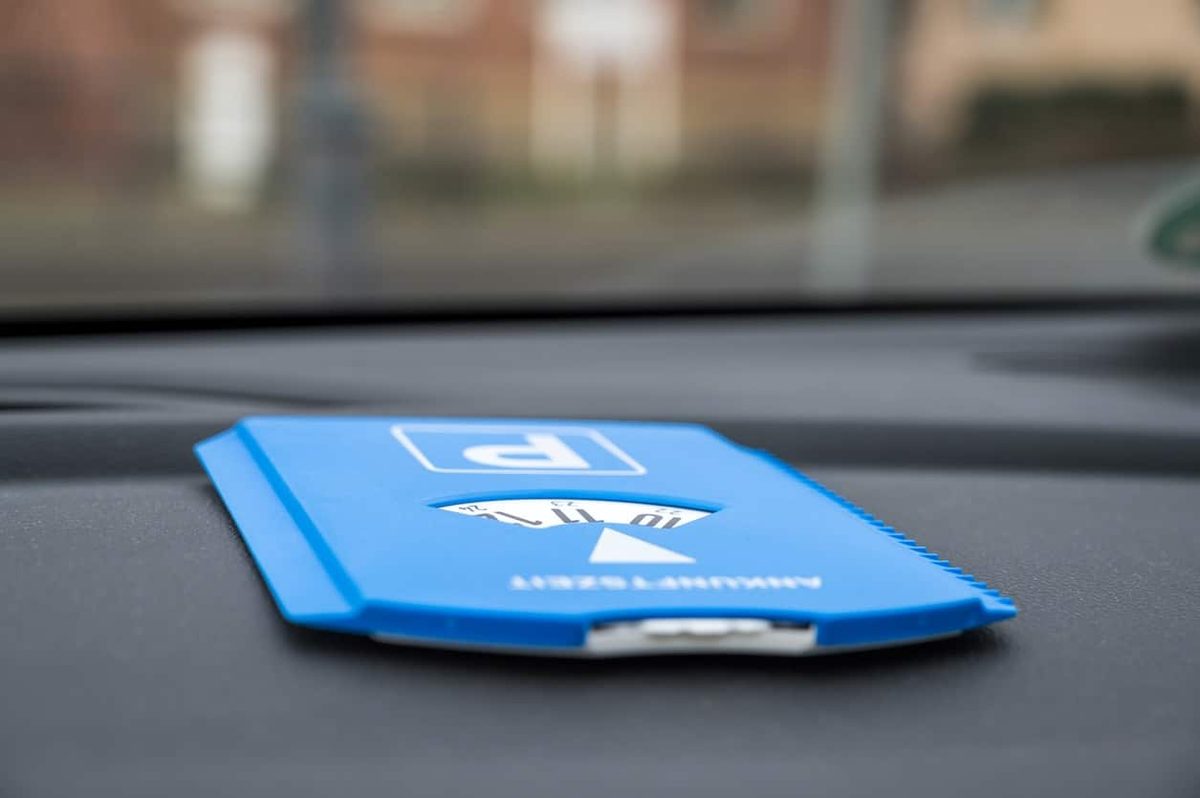
These indicate areas where parking is free for a set time. The rule is strict. You must display a parking disc behind your windshield. It shows the arrival time to enforcement agents.
Without the disc? You get fined. With the disc? You might park for free.
Signs also tell you when the free window is. Some zones are free only at night. Some are free on weekends. Some are free on holidays. It depends entirely on the commune and the specific location. Read the fine print.
The Final Move
You now have five methods to avoid parking fees. But there is one last piece of advice.
Consider carpooling. Or use public transport.
Sometimes the best way to park for free is to not bring the car at all.


