Hyundai Motor has officially signaled its intent to capture a significant share of the world’s largest electric vehicle (EV) market. By launching its dedicated electrification brand, Ioniq, in China, the automaker is not just introducing new cars; it is building a localized ecosystem branded as the “Ioniq Universe.”
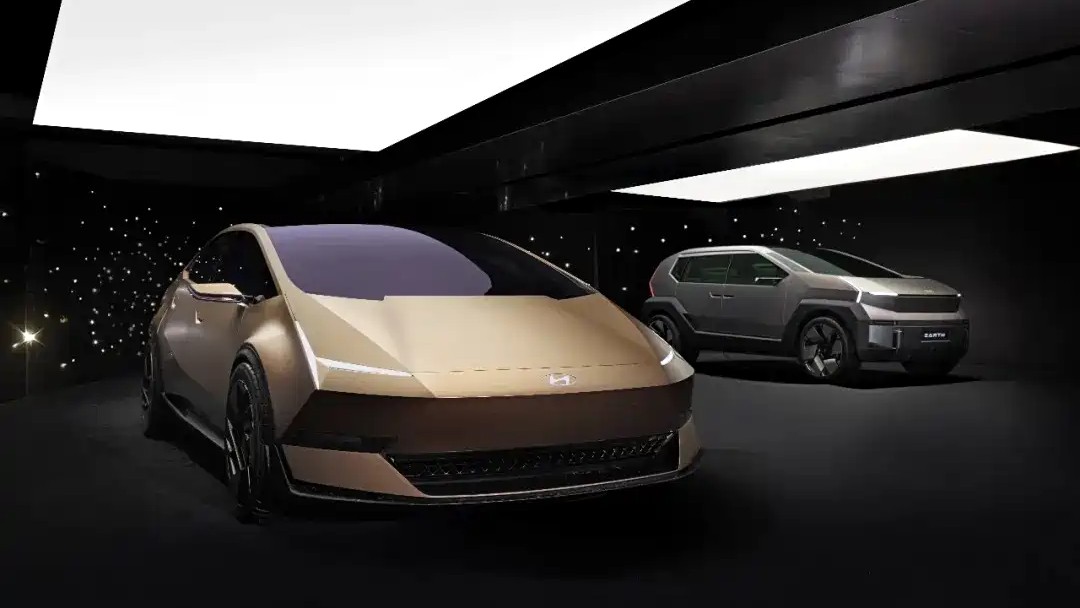
To mark this expansion, Hyundai debuted two futuristic concept vehicles: the Venus Concept and the Earth Concept. These models serve as design blueprints for the brand’s upcoming commercial lineup.
The “Ioniq Universe” Strategy: A Customer-Centric Approach
In a departure from standard global branding, Hyundai is adopting a unique, metaphorical naming convention specifically for the Chinese market. Under the “Ioniq Universe” philosophy, the Chinese consumer is positioned as the “Sun” —the central force around which all products and services orbit.
To reinforce this theme, all future Ioniq models released in China will be named after planets. This strategy aims to create a cohesive, premium brand identity that resonates with local cultural preferences for interconnectedness and harmony.
Design Blueprints: Venus and Earth Concepts
The two concept cars unveiled represent different facets of Hyundai’s future design language:
1. The Venus Concept: Emotional Dynamism
The Venus Concept focuses on aesthetics and high-end luxury.
– Exterior: Features a gold finish, a lightweight frame-style roof, and “Golden Record” inspired brake discs. Its silhouette is defined by a single, continuous curve.
– Interior: Designed as a driver-centric cockpit, it utilizes crystal-inspired ambient lighting and “Venus Curve” seats that blend suede with metallic chrome gold.
2. The Earth Concept: Rugged Vitality
The Earth Concept prioritizes resilience and practical comfort.
– Exterior: Uses an “Aurora Shield” color scheme with sharp, crystal-textured lines reminiscent of geological formations. It includes practical elements like integrated roof rails and hidden dual-opening doors.
– Interior: Centered on the “Little Earth” concept, the cabin uses an “Air” design system to create a quiet, protective environment. It features “Air-hug” seats that use soft air modules to enhance passenger comfort.
Localized Technology and Range Solutions
Recognizing that success in China requires more than just global designs, Hyundai is heavily investing in localization. This approach addresses two of the most critical hurdles in the Chinese EV market: intelligent driving and range anxiety.
- Autonomous Driving: Hyundai has partnered with Momenta to develop AI-driven autonomous solutions. Crucially, these systems are being trained on complex, local Chinese road data to ensure they can handle the specific traffic patterns and urban environments of the region.
- Hybrid Flexibility: To combat “range anxiety”—the fear of running out of battery—Hyundai will not rely solely on pure electric vehicles (BEVs). The brand plans to introduce extended-range electric vehicles (EREVs), utilizing Hyundai’s long-standing expertise in internal combustion engines to act as a range extender for the electric motors.
Looking Ahead: The Roadmap to 2026
Hyundai’s expansion is a multi-year commitment. At the Beijing Auto Show 2026, the brand expects to unveil its first mass-production vehicle specifically engineered for Chinese consumers. Over the next three years, the rollout will include a diverse range of SUVs and coupes, spanning both mid-to-large segments.
The Bottom Line: By blending global technological prowess with localized intelligence and a unique, consumer-centric brand identity, Hyundai is attempting to pivot from a traditional automaker to a specialized player in the highly competitive Chinese intelligent mobility ecosystem.