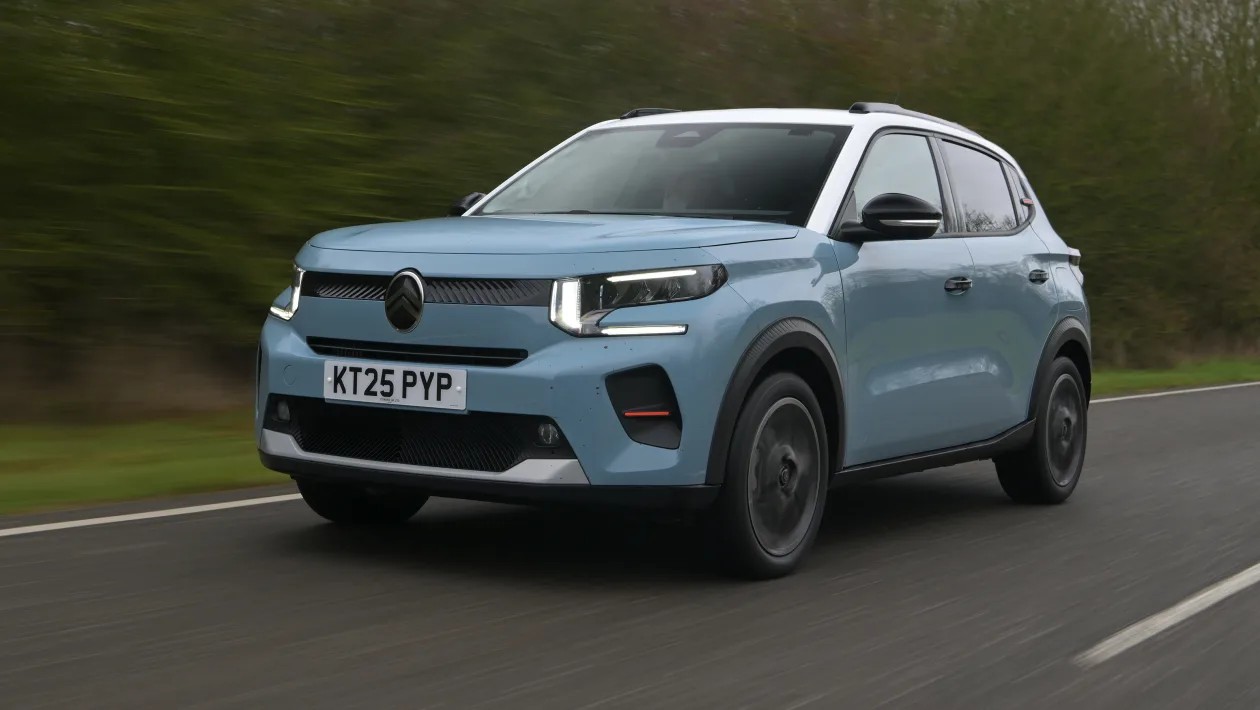
Citroen’s latest C3 represents a shift towards prioritizing comfort and affordability in the supermini segment. The fourth-generation model features a complete redesign, embracing SUV-inspired styling while maintaining competitive pricing. While not without drawbacks – driving dynamics are unremarkable, and lower-powered engines are standard – the C3 delivers a spacious interior, decent standard features, and the flexibility of petrol, hybrid, or fully electric powertrains.
Redesign and Value Proposition
The C3’s transformation highlights Citroen’s renewed focus on driver and passenger comfort. This is paired with an attractive price point, making the C3 a standout value in its class. The car’s shortcomings—slightly uninspiring handling and limited engine options—are trade-offs for everyday usability. The interiors, while containing some budget-conscious materials, are generally well-equipped and spacious.
The appeal of the C3 extends to its financing options, making it an accessible choice for many buyers. The availability of multiple powertrain choices is also a key differentiator; the model offers petrol, hybrid, and fully electric variants, catering to diverse preferences.
Powertrain Options and Performance
The C3 offers three powertrain options: a 1.2-liter PureTech petrol engine, a 108bhp hybrid version, and a fully electric e-C3. The petrol model provides adequate performance, while the hybrid combines efficiency with moderate power. The electric variant, especially the e-C3, stands out as a particularly strong value, winning the 2024 Car of the Year award.
The petrol C3 starts around £19,000 with a manual transmission, with upgrades to the Max trim adding £1,500. The hybrid version, available only with an automatic gearbox, begins at £21,200. The all-electric e-C3 starts at approximately £20,000 for the Urban Range model, with the Standard Range variant costing £22,100.
Driving Experience and Ride Comfort
Citroen’s Advanced Comfort suspension system sets the C3 apart from its competitors. The hydraulic bump stops effectively absorb road imperfections, providing a smooth ride even on rough surfaces. Despite the comfort-focused setup, handling is unremarkable, with some body roll in corners and limited steering feedback. The petrol models offer slightly more agility than the electric version.
The C3 excels in city driving, with light steering and good visibility making it easy to maneuver. However, it may not be the most engaging option for enthusiasts who prioritize dynamic handling.
Interior and Technology
The C3’s cabin is functional, well-organized, and features a 10.25-inch central infotainment system standard across all trims. The interior design includes some unique touches, such as fabric accents and small Easter eggs like embossed glovebox reliefs. While materials are budget-conscious, the overall impression is smart and practical.
The small steering wheel and high-mounted head-up display (HUD) are distinctive features, though the HUD projection onto a dashboard mirror may not appeal to all drivers. The infotainment system is user-friendly, with large buttons and a clean interface.
Running Costs and Ownership
The petrol C3 achieves around 52mpg on the combined cycle, while the hybrid model claims up to 59.2mpg. The e-C3 offers the lowest running costs, but its range is limited by the relatively small battery (130 miles for the Urban Range, 201 for the Standard Range). Insurance groups are moderately high at 24 across all variants.
Depreciation is average, with residual values around 40%, slightly higher for hybrid models. The e-C3’s BIK tax rate is the lowest, making it the most attractive option for company car users.
In conclusion, the Citroen C3 represents a compelling blend of comfort, value, and practicality. The model’s focus on affordability and user-friendliness makes it an appealing choice for budget-conscious buyers seeking a well-equipped supermini.