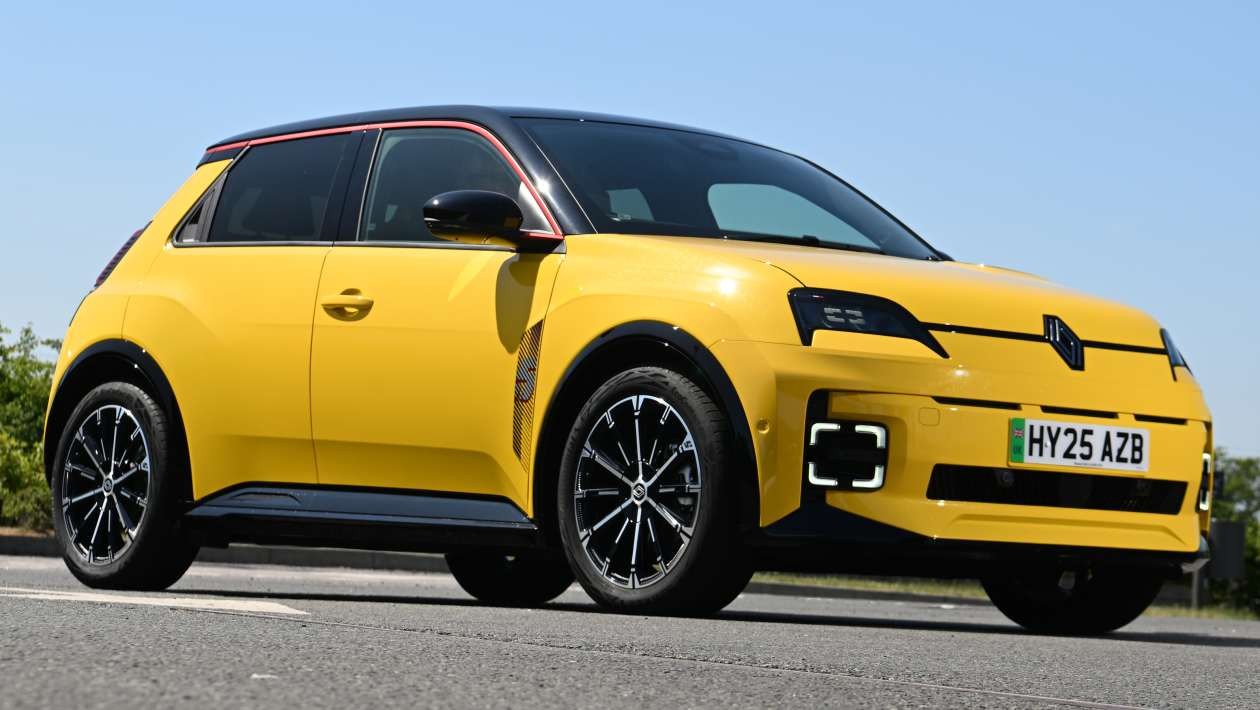
More than 40 electric vehicles (EVs) currently qualify for government incentives designed to encourage adoption. This list, which changes periodically, is crucial for consumers looking to reduce the upfront cost of transitioning to electric driving.
Current Eligibility Landscape
The availability of these grants varies by country and region, with specific criteria regarding vehicle price, range, and emissions standards. As of late 2024, many models from mainstream manufacturers such as Tesla, Nissan, and Hyundai are included. However, some budget-friendly options like the Dacia Spring EV remain prominent due to their low base prices.
The grants typically offer a percentage discount or a fixed cash incentive towards the purchase of a new EV. The exact amount depends on local regulations, with some schemes phasing out support for higher-priced vehicles to target lower and middle-income buyers.
Notable Picks and Emerging Trends
Among the top-rated EVs eligible for grants, the Jaguar GT has garnered attention for its performance and luxury features. Despite initial skepticism, it has proven to be a capable high-performance EV. The Dacia Spring EV continues to stand out as an affordable entry point, though updates for 2026 suggest a potential refresh or successor in the near future.
The shift towards EVs is reshaping the automotive market. Automakers are adapting by introducing new models, such as the all-new Ford Fiesta previewed in automotive publications, which may include electric variants. This trend underscores the growing importance of EVs in the mainstream automotive sector.
Why This Matters
Government incentives play a critical role in making EVs accessible to a wider range of consumers. Without these subsidies, many potential buyers may be deterred by the higher upfront costs compared to traditional gasoline vehicles. The availability of grants directly impacts EV sales and, consequently, the pace of decarbonizing the transportation sector.
The ongoing adjustments to grant eligibility criteria (such as phasing out support for more expensive models) raise questions about equity and accessibility. Policymakers must balance incentives with broader affordability goals to ensure that EV adoption doesn’t become exclusive to higher-income households.
The future of EV adoption hinges on continued government support, but it must be carefully designed to maximize impact and ensure equitable access for all consumers.