The Geely EX5 is the latest electric crossover from the Chinese automaker, aiming to disrupt the competitive EV landscape. While its exterior design blends into the crowded field of similar-looking vehicles, it offers a compelling package of standard features, aggressive pricing, and a surprisingly well-equipped interior. However, usability issues with the infotainment system and mediocre efficiency temper the overall experience.
Design & Platform
The EX5’s exterior is unremarkable, featuring the now-common EV design language: a light bar at the rear, flush door handles, and a smooth, grille-less front. The company claims inspiration from Song-dynasty porcelain, but the aesthetic impact falls flat. More importantly, the design achieves a respectable drag coefficient of 0.27, contributing to efficiency.
Geely utilizes its own Global Intelligent New Energy Architecture (GEA) platform for the EX5, diverging from the shared platforms seen in some other models. This decision allows for cost control but also positions the EX5 as a distinct offering from Geely’s growing lineup. The company sold over two million Geely-branded cars in 2024, demonstrating its established presence in the automotive industry.
Powertrain & Range
The EX5 launches with a single powertrain option: a 214bhp motor paired with a 60.2kWh usable battery capacity. A larger 68.4kWh version is available in China, and its eventual inclusion in other markets would enhance the EX5’s appeal. Geely’s battery design resembles BYD’s Blade battery, utilizing long, flat cells for packaging efficiency.
A plug-in hybrid range-extender version, known as the Starray in markets like China and Australia, is expected to arrive in the UK next year, further expanding the EX5 family.
Interior & Features
Inside, the EX5 offers a more visually interesting cabin than many Chinese-made vehicles, though it’s still not a standout. The octagonal steering wheel, flowing door cards, and asymmetric center console add some flair. Material quality is competitive for the price point, with soft-touch surfaces and a matte-patterned plastic topping the center console. However, the liberal use of faux leather introduces an unpleasant vinyl smell, a common issue in Chinese EVs.
Standard equipment includes wireless charging, keyless entry, heated seats and steering wheel. The Max trim adds a panoramic sunroof, a 16-speaker, 1000W sound system, ventilated massage seats, and a head-up display. Storage is plentiful, with roomy door bins, cupholders, and hidden compartments under the rear seats. Seat comfort is subpar; the overly soft and high-set seats lack proper support, causing discomfort on longer drives.
Infotainment & Usability
The EX5’s infotainment system is its weakest point. The large central touchscreen and smaller driver display are typical of modern EVs, but the user interface is poorly designed. The home screen displays distracting animations rather than useful information like navigation or media controls. Physical controls are sparse and confusing, with unmarked steering wheel buttons and an unintuitive rotary controller.
The touchscreen is similar to those found in BYD vehicles and the Mazda 6e, but suffers from the same usability flaws: small font sizes, poor menu hierarchy, and unintuitive operation. While wireless Apple CarPlay and Android Auto are available, the native system is frustrating to use.
Pricing & Warranty
Geely positions the EX5 as an aggressive value proposition. The base SE trim starts at £29,690, while the Max trim costs £33,240. These prices undercut competitors like the MG S5 EV, Skoda Elroq, and Renault Scenic, though not by a significant margin. Geely also includes a free home charger and an additional £1000 trade-in bonus for petrol or diesel vehicles.
The EX5 comes with a six-year, 100,000-mile warranty, providing peace of mind. However, the secondary two-year, 25,000-mile warranty excludes several components, including the screen and sensors. Additional benefits include four years of free roadside assistance and two years of free maintenance.
Range & Charging
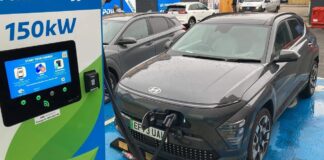
Testing revealed that the EX5 is less efficient than competitors like the Renault Scenic, with real-world range dipping below 200 miles. Rapid charging speeds also fell short of expectations, peaking at 120kW on multiple chargers. The weighted average charge speed matched the MG S5 EV, as the EX5 maintained its charge rate better at higher states of charge.
Conclusion: The Geely EX5 is a compelling value proposition for buyers seeking a well-equipped electric crossover at an aggressive price. However, the frustrating infotainment system, mediocre efficiency, and subpar seat comfort detract from the overall experience. Despite these flaws, the EX5 represents a significant step forward for Geely in the European market.