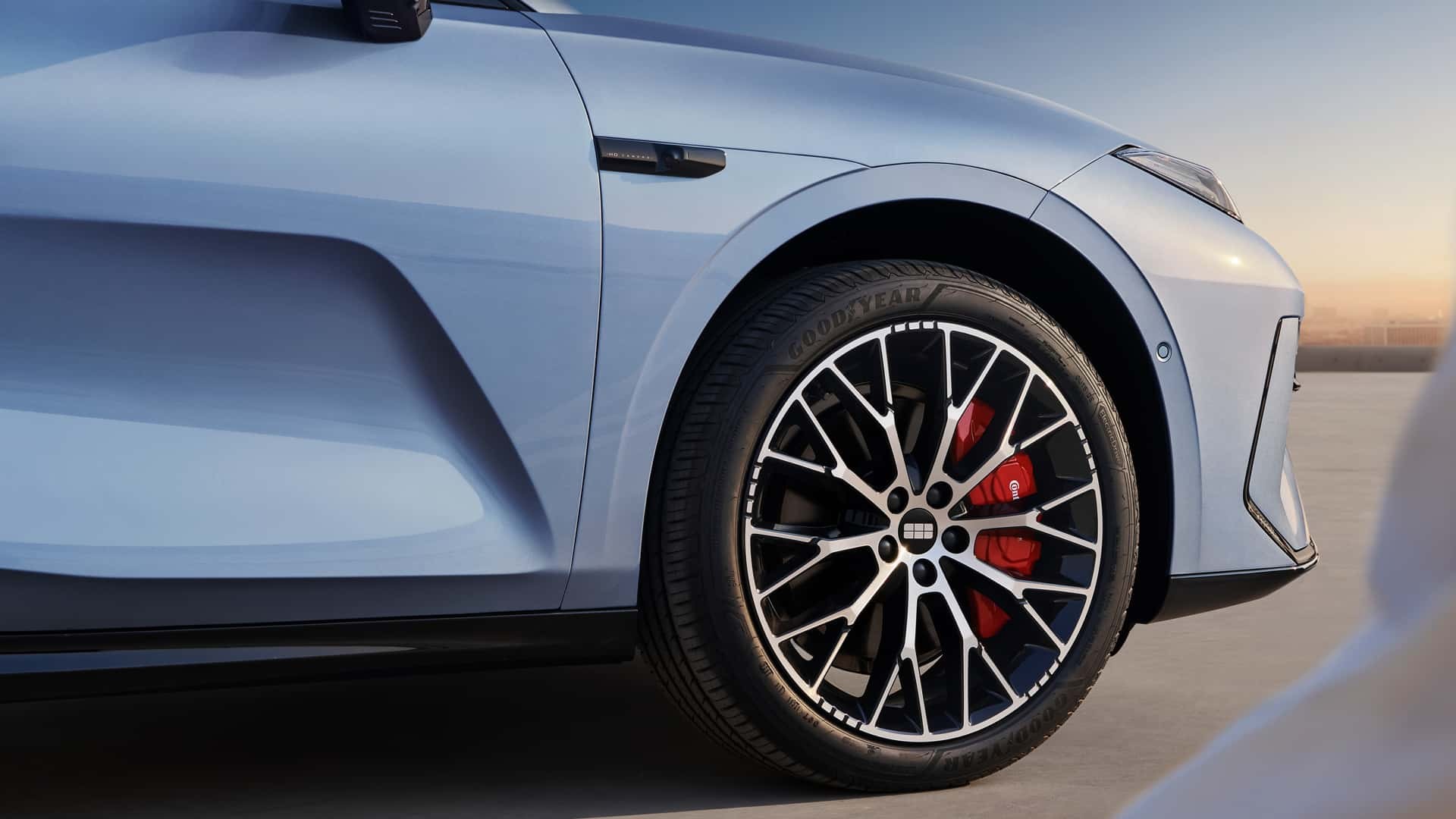
The Chinese automaker Geely and Ford are in advanced discussions to co-manufacture vehicles in Europe, a move designed to circumvent upcoming EU tariffs on Chinese-built electric vehicles (EVs). The leading candidate for this partnership is Ford’s underutilized Valencia, Spain, plant, which could allow Geely to establish a significant European production footprint without the need for costly new facilities. This collaboration reflects a broader trend of automakers seeking creative ways to adapt to shifting trade policies and rising manufacturing expenses.
Why This Matters: A Response to EU Trade Measures
The EU recently imposed additional tariffs on EVs made in China, citing concerns over unfair state subsidies. This action effectively raised the price of Chinese EVs in Europe, making local production a much more attractive option for companies like Geely. Assembling vehicles within the EU bypasses these tariffs, allowing Geely to compete more effectively on price. The move also highlights the increasing pressure on automakers to rethink production strategies in response to trade barriers.
Valencia: A Strategic Asset for Both Companies
Ford’s Valencia plant currently produces the Kuga SUV but operates well below its full capacity. Integrating Geely models into the facility would maximize its existing industrial footprint without requiring substantial new investment. This is a win-win, as it would allow Ford to increase plant utilization while enabling Geely to expand its European presence. Geely’s own-brand sales in the region remain limited compared to established competitors, making local production an essential step for sustained growth.
The Broader Trend: Shifting Alliances in the Automotive Industry
The potential partnership between Ford and Geely is part of a larger trend of automakers collaborating to share technology, reduce costs, and navigate a rapidly changing market. Ford has previously engaged in similar arrangements in Europe, and Geely favors leveraging existing facilities over building new ones. This deal demonstrates how manufacturers are rethinking production strategies to stay competitive in an era of tightening regulations and rising costs.
The automotive industry is adapting to new realities. Localizing production isn’t just about avoiding tariffs; it’s about future-proofing operations in a volatile trade environment.
The move also signals a willingness among automakers to prioritize efficiency and adaptability over traditional competition. The partnership would allow both companies to share resources and expertise, reducing financial burdens while accelerating expansion. Ultimately, this collaboration could serve as a model for other manufacturers looking to navigate the complexities of the modern automotive landscape.
This deal, if finalized, would be a clear example of how the automotive industry is rethinking production strategies across Europe.