Kia has laid out an ambitious strategic roadmap through 2030, signaling a major pivot toward specialized electric vehicles (EVs) and a significant expansion into the highly competitive North American truck market. During its annual investor day, the Korean automaker revealed plans for a new mid-size pickup and a global flagship SUV, aiming to diversify its lineup and secure a larger share of the global electrification market.
The Push into the Pickup Segment
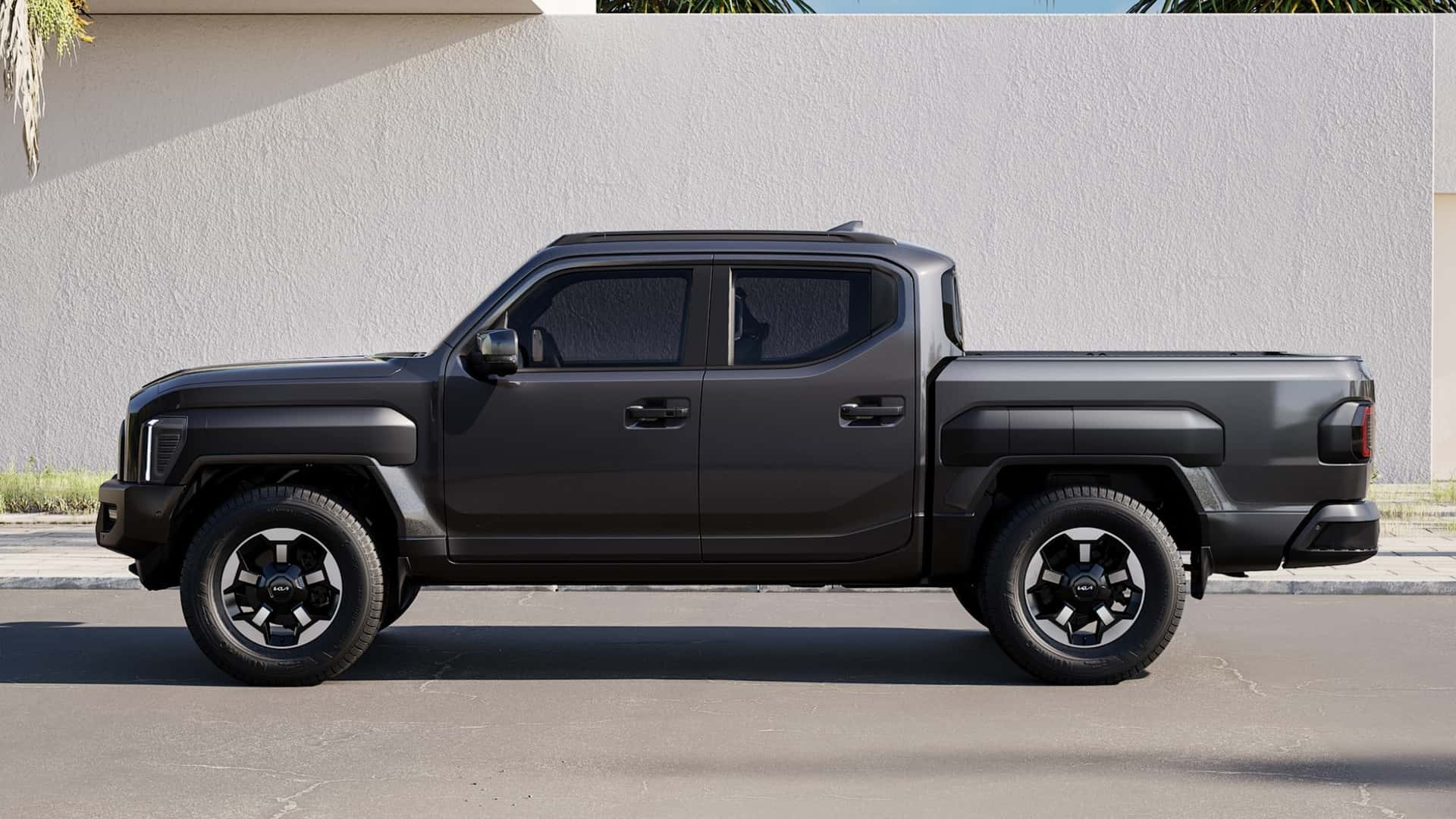
One of the most significant developments is Kia’s intention to launch a mid-size pickup truck in the United States by 2030. This vehicle is expected to feature two distinct powertrain options:
– Full Electric (BEV)
– Range-Extended Hybrid
While specific technical details remain under wraps, industry analysts suggest this truck will likely share a body-on-frame platform with Hyundai’s upcoming pickup. This move is a strategic response to the dominance of established players like the Toyota Tacoma and Ford Ranger. By offering a range-extended hybrid option, Kia may provide a “bridge” for consumers who want the benefits of electrification but are wary of limited range in rugged, off-road, or towing scenarios.
Expanding the Global EV Portfolio
Kia is also preparing to refresh its premium offerings with a new global flagship EV SUV, slated for release in 2029. This model is intended to be a high-volume vehicle, potentially sitting alongside or even succeeding the current EV9 in terms of brand prestige and technological importance.
The automaker’s broader electrification strategy includes:
* Next-Generation Architecture: Moving beyond the current Electric Global Modular Platform (E-GMP) to a new, more advanced EV architecture.
* Increased Variety: Expanding its total EV lineup from 11 to 14 models.
* Segment Diversification: The upcoming lineup will include the compact EV1, a heavy focus on SUVs (nine models), and three dedicated commercial vehicles.
Growth Targets and Market Realities
Despite the aggressive expansion, Kia is navigating a complex global market. The company has adjusted its expectations, now targeting 1 million EV sales annually —a slight reduction from its previous projection of 1.3 million.
However, other growth metrics remain highly ambitious:
1. Hybrid Expansion: Kia plans to double its hybrid vehicle offerings from four to eight models.
2. Sales Milestones: The company aims for a total of 1.02 million annual sales by 2030.
3. US Truck Market: Kia is eyeing a significant footprint in America, with goals to sell 90,000 trucks in the US by 2034.
Automation and Manufacturing
The strategy extends beyond the vehicles themselves into how they are built. Kia’s parent company, Hyundai, plans to integrate Atlas robots into two American factories by 2029, signaling a push toward advanced automation to support the production of these new, complex electric and hybrid models.
Kia’s strategy reflects a dual-track approach: aggressively entering high-margin segments like mid-size trucks while simultaneously refining its electric architecture to maintain long-term competitiveness in a cooling EV market.
Conclusion
Kia is transitioning from a generalist manufacturer to a specialized player in the electric and hybrid sectors. By targeting the US truck market and expanding its flagship SUV lineup, the company is positioning itself to capture both traditional utility buyers and the next generation of EV enthusiasts.