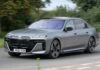
The new Nissan Micra EV has been approved for the highest tier of the UK Government’s Electric Car Grant (ECG), effectively reducing its price by up to £3,750. This move aligns the Micra’s pricing with its sister vehicle, the Renault 5, both sharing core components and production strategies.
Pricing and Grant Details
The Nissan Micra is now available for purchase starting at £21,495. The ECG eligibility varies based on battery configuration: models equipped with the larger 52kWh battery receive the full £3,750 Band 1 grant, while entry-level 40kWh versions qualify only for the £1,500 Band 2 discount. This distinction stems from the larger-battery components being manufactured in Renault’s sustainable facility in France—a key criterion for the higher subsidy.
Despite this variance, the Micra and Renault 5 now carry identical base prices, though leasing costs may differ slightly, with the Renault 5 potentially being marginally cheaper monthly.
Trim Levels and Features
Nissan offers the Micra in three trim levels: Standard Range Engage, Advance, and Evolve. The base Engage model (£21,495) features a 40kWh battery with a claimed range of up to 198 miles (WLTP), along with a 10.1-inch touchscreen, digital instrument cluster, and standard smartphone integration.
The mid-tier Advance trim (£23,495 for the 40kWh; £25,495 for the 52kWh) adds one-pedal driving, adaptive cruise control, blind-spot monitoring, and upgraded interior features like ambient lighting.
The top-spec Evolve trim (£28,365), available exclusively with the 52kWh battery, includes premium amenities like heated seats, a heated steering wheel, and a Harman Kardon sound system. This model is approximately £1,400 more expensive than the equivalent Renault 5 Roland Garros+.
Broader ECG Eligibility within Nissan’s Lineup
Nissan now has three models eligible for the ECG: the Micra, Ariya (with base trim getting a £1,500 grant), and the British-built Leaf, which qualifies for the full £3,750 subsidy across all versions.
This strategic alignment with the ECG is crucial for Nissan and Renault. The incentives make their EVs more competitive in a rapidly expanding market where affordability is key.
The push for electric vehicle adoption relies heavily on government support, and this move demonstrates how manufacturers adapt to maximize those benefits for consumers.