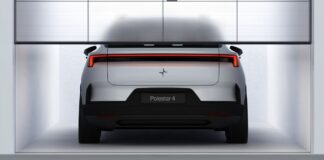
Automakers, including Polestar, are responding to consumer demand and stricter safety regulations by reintroducing physical buttons and controls into vehicle interiors. The shift marks a departure from the recent trend of minimalist, screen-heavy designs that prioritized touchscreens for nearly all functions.
Regulatory Pressure and Consumer Frustration
Polestar’s head of design, Philipp Römers, confirmed the change during a recent online event, as first reported by InsideEVs. The move is largely driven by two key factors: new European safety standards enforced by Euro NCAP, and growing consumer dissatisfaction with overly reliant touchscreen systems.
Euro NCAP’s updated five-star safety ratings now require vehicles to have certain physical controls for critical functions. Simultaneously, China—a major market for Polestar—is tightening its own regulations regarding touchscreen-heavy interiors. This regulatory pressure has forced automakers to rethink their design strategies.
Beyond Buttons: Updated Infotainment and Interior Options
The shift isn’t limited to just physical buttons. Polestar plans to update its Android Automotive-based infotainment system with expanded personalization features, aiming for a more tailored user experience.
The company is also diversifying interior options, moving beyond the current limited palette of grays, whites, and blacks. New colors and materials will be introduced for models like the Polestar 3 and 4.
Broader Turnaround Strategy
These changes are part of Polestar’s wider effort to revitalize its product lineup. The automaker has announced its “largest model offensive in company history,” including updates to the Polestar 4 and 2, and the introduction of the all-new Polestar 7. However, the Polestar 6 has experienced delays.
Polestar’s decision to reintroduce tactile controls is a pragmatic move, responding to both regulatory demands and consumer preferences. The true test will be whether these changes translate into genuinely competitive products that solidify Polestar’s position in the luxury EV market.
The move suggests that Polestar is finally acknowledging the need for a more balanced approach between cutting-edge technology and practical usability.