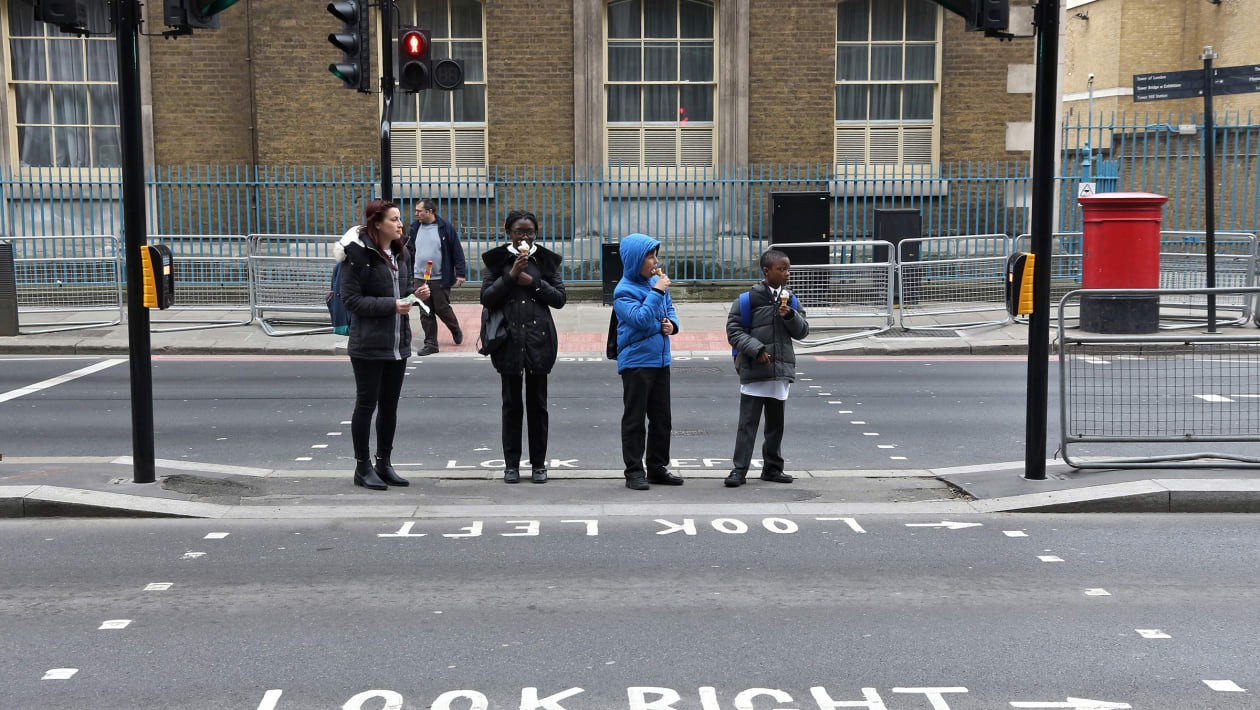
Pelican crossings, first introduced in the UK in 1969, are a common sight on roads but often misunderstood. Unlike other crossings, Pelicans use a unique flashing amber signal that dictates when drivers can proceed. Here’s a breakdown of how they work for both pedestrians and drivers.
How Pelican Crossings Work for Pedestrians
When approaching a Pelican crossing, pedestrians will encounter a black and yellow box with the word “WAIT” on it, mounted at hip height. Pressing this button activates the crossing sequence. The “WAIT” sign illuminates, and traffic lights cycle to red, signaling that pedestrians can cross.
Crucially, Pelican crossings feature auditory and tactile cues for those with visual or hearing impairments. A beeping sound accompanies the green pedestrian signal, while tactile paving indicates the crossing’s presence. Some crossings use rotating knobs under the “WAIT” box as an alternative signal for those unable to see or hear the lights.
The pedestrian signal will eventually flash green, indicating the cycle is ending. Pedestrians already on the crossing are safe to continue, but starting to cross on a flashing or solid red signal is unsafe and illegal. Modern crossings may include countdown timers to help pedestrians judge if they can cross safely before the light changes.
Driver Protocols at Pelican Crossings
Drivers approaching a Pelican crossing must observe standard traffic light protocols. A solid amber or red light requires stopping. The defining feature of a Pelican crossing is its flashing amber signal. This means drivers must yield to any pedestrians still on the crossing before proceeding.
Once the crossing is clear, drivers can continue on a flashing amber or green light. This system differs from other crossings where a solid amber means stopping, but the flashing amber at a Pelican crossing signals a safe window for drivers to proceed cautiously.
Why Understanding Pelican Crossings Matters
Pelican crossings are designed to balance pedestrian safety with traffic flow. The unique flashing amber signal is key to this balance. Misunderstanding this signal can lead to accidents or delays. As road infrastructure evolves, understanding these nuances becomes critical for all road users.
The UK has various crossing types, including Zebra, Puffin, Toucan, Pegasus, and staggered crossings; each with its own rules. Familiarizing yourself with these differences can improve road safety for everyone.
In conclusion, Pelican crossings are a critical part of urban mobility that require careful attention from both pedestrians and drivers. Following the guidelines ensures everyone stays safe.