Genesis, the luxury division of Hyundai, has quietly explored radical designs beyond its current lineup. These include a single-seat sports car, a futuristic hydrogen SUV, an electric pickup truck, and an aggressively aerodynamic van—all concepts that were shelved before public release. The designs reveal how far Genesis is willing to push its boundaries, even if only for internal experimentation.
Unseen Visions: What Was Considered?
According to Genesis design boss Luc Donckerwolke, these concepts were “proposals that were not asked of us but that we developed for ourselves, to explore the boundaries of our brand.” This signals a willingness to take risks and innovate even without immediate market demands. Here’s a breakdown:
The X Gran Berlinetta Single-Seater
A more extreme take on the X Gran Berlinetta concept originally designed for the Gran Turismo video game, this one-off model was built purely for the thrill of track driving. The single-seater version packed a hybrid V-6 with up to 1,540 horsepower in its most potent iteration. Despite its performance potential, it remains a unique, non-production experiment.
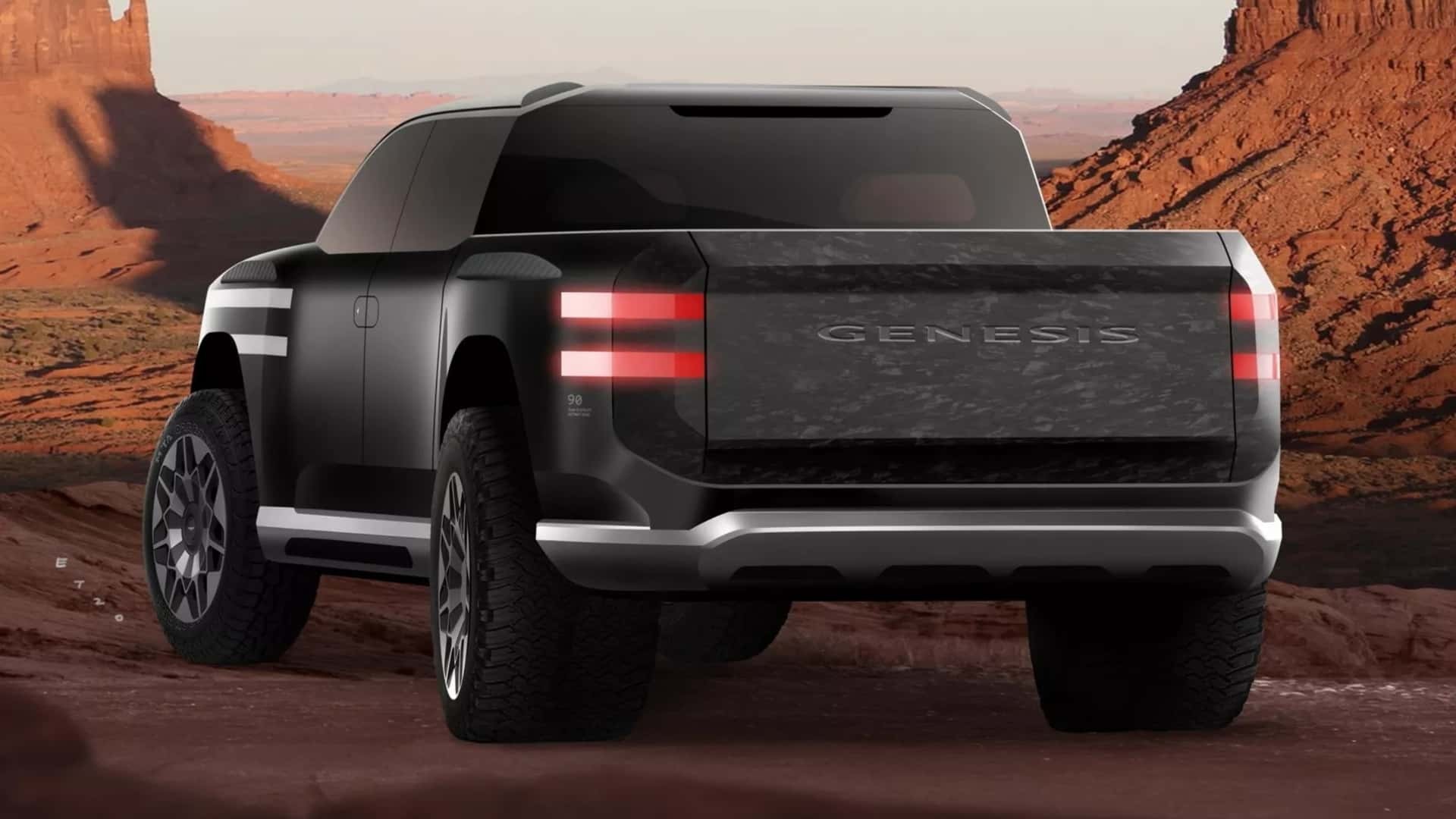
The Electric Pickup Truck
Genesis also sketched out a full-size electric pickup truck, recognizing the dominance of trucks in markets like the United States. Though the project was shelved, likely in favor of other priorities, the design appears to have influenced the X Gran Equator, a rugged off-road SUV. The decision to abandon it makes sense given Ford’s recent cancellation of the electric F-150 Lightning, which suggests a shifting market landscape.
The JH Concept: Hydrogen-Powered SUV
This futuristic SUV featured a hydrogen fuel cell powertrain, an alternative to battery-electric vehicles. However, as the industry shifted towards EVs, the hydrogen project was scrapped. The JH’s ungainly design—with excessive cladding and an awkward profile—may have also contributed to its dismissal.
The “Jet on Wheels” Van
The final concept was an aerodynamic van designed with luxury markets in mind, particularly in Asia where high-end vans are popular. The design, with its raked windshield and truncated rear end, resembles the Hyundai Ioniq 9 but with a more aggressive, jet-like profile. Donckerwolke described it as “the perfect example of the work we do behind the scenes.”
Why These Designs Matter
These concepts are more than just interesting sketches. They highlight Genesis’s design ambition and its willingness to explore unconventional ideas. The fact that these projects were never intended for production shows the internal freedom Genesis gives its designers, which can influence future models even if the original concepts don’t make it to showrooms.
Designers are always creating something new, and this peek behind the curtain shows us how much work goes into things the public never sees.
The decision to keep these projects hidden suggests that Genesis prioritizes calculated brand expansion over immediate novelty. It also raises questions about which future designs might be simmering in the background, waiting for the right market conditions or a shift in corporate strategy.