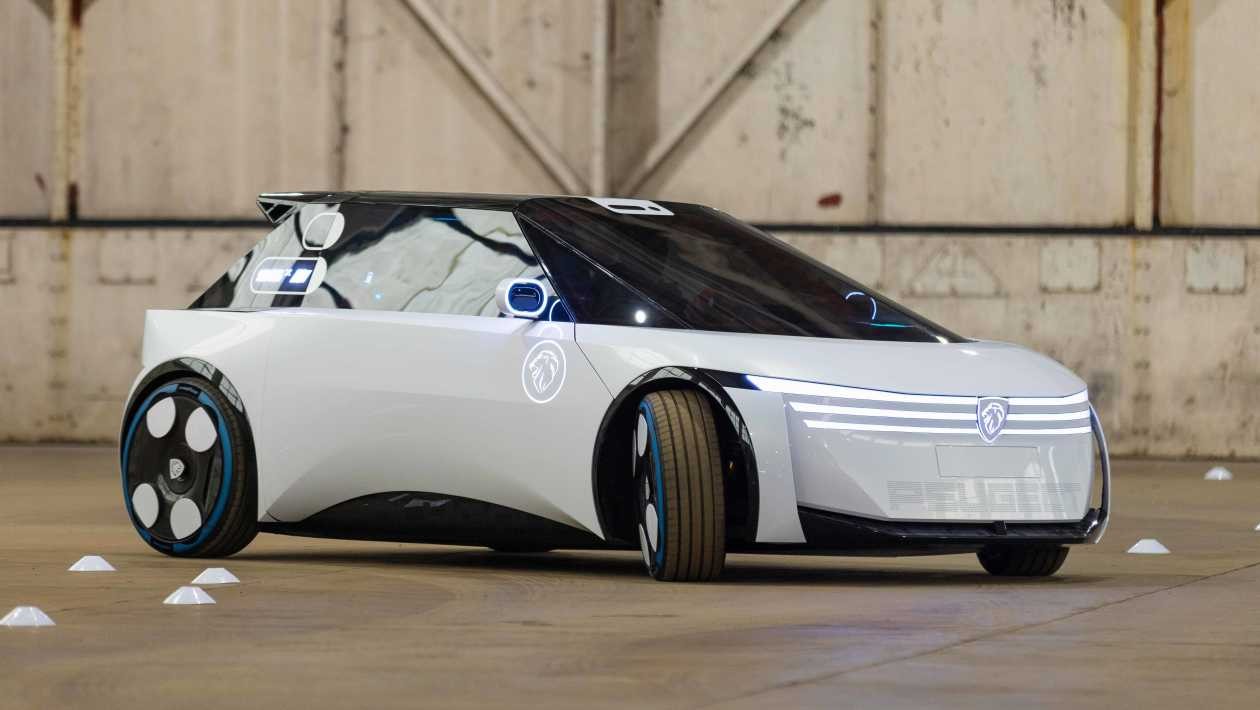
The automotive industry is undergoing a seismic shift. As Chinese startups flood the market with high-tech, soulless vehicles, legacy European brands are facing an existential crisis: How much does heritage matter in 2026?
For Stellantis—the conglomerate behind Peugeot, Citroën, Vauxhall, Fiat, Jeep, and Alfa Romeo—the answer is everything. Under new leadership, the group is pivoting away from the rigid cost-cutting measures of the past toward a strategy of distinct brand identity and “shocking” design innovation.
The Return of Gilles Vidal
At the heart of this transformation is Gilles Vidal, a key architect of Peugeot’s design renaissance in the late 2010s. After a brief stint at Renault, Vidal has returned to Stellantis as the Head of European Design. His mandate is clear: to coordinate the design houses across the group’s European brands and inject creative spirit back into the lineup.
Vidal reports directly to Ralph Gilles, the global head of design, who in turn answers to new CEO Antonio Filosa. This streamlined chain of command is designed to accelerate decision-making and grant design teams greater independence—a stark contrast to the previous era dominated by former CEO Carlos Tavares, whose focus on financial synergies often came at the expense of brand character.
Why Brand Identity Matters More Than Ever
The core challenge for Stellantis is balancing efficiency with identity. The public does not buy “Stellantis cars”; they buy Peugeots, Fiats, or Jeeps.
“The brands are the biggest asset of the company from the public perspective,” says Ralph Gilles. “We need to be super-sharp about what our brands stand for.”
While sharing platforms and components is essential for survival in an electrified market, the previous strategy of excessive synergy blurred the lines between brands. The new approach seeks to maximize variation within technical constraints. Vidal describes the goal as creating interchangeable modules—comparable to Lego Technic—that allow for distinct exterior designs and interior experiences while optimizing invisible, cost-heavy engineering elements.
The “Shock” Factor and Technical Flexibility
To compete in an accelerating market, Stellantis aims for designs that are “shocking in a good way.” This means prioritizing breakthrough aesthetics that stand out against the homogenized offerings of competitors.
The strategy involves:
* Challenging existing platforms: Optimizing structures to reduce weight, improve aerodynamics, and increase interior space.
* Client-oriented outcomes: Ensuring that every engineering optimization translates to a tangible benefit for the driver, such as better range or a more spacious cockpit.
* Brand-specific flexibility: Allowing mainstream brands like Peugeot and Citroën to diverge significantly in style, even if they share underlying architecture.
Challenges for Premium Brands
While modularity works well for volume brands, it presents complex hurdles for Stellantis’s premium marques, such as Alfa Romeo, Maserati, and DS. These brands require unique engineering solutions that standard platforms may not support.
Vidal acknowledges that decisions on how to fund and engineer these “jewels in the crown” are still pending. The group is weighing whether to invest in highly flexible, less profitable platforms—similar to those explored by Jaguar or Porsche—to preserve the exclusive identity of these luxury labels.
What Comes Next?
Stellantis promises to reveal the full scope of this new design philosophy at the Paris Motor Show in October. The event will offer the first concrete look at how brands from Alfa Romeo to Vauxhall are adapting to the new era.
In summary, Stellantis is betting that heritage and distinctiveness are its strongest weapons against generic competitors. By empowering designers to create bold, brand-specific identities while maintaining backend efficiency, the group hopes to reconnect with customers who value soul as much as specification.