The evolution of modern motorcycles mirrors the broader trend of multi-functional tools: smartphones, laptops, even kitchen appliances now do more than ever before. In the same way, motorcycles have moved beyond rigid categories, with sport-touring models emerging as a solution for riders wanting versatility without compromise. These bikes blend long-distance comfort with capable performance, making them ideal for commuting, weekend trips, and everything in between.
Why Sport-Touring Works
For decades, motorcycle buyers needed separate bikes for different purposes: a dedicated sportbike for track days, a cruiser for relaxed highway miles, or an adventure model for off-road riding. Today’s sport-tourers combine the best of each world. This is driven by two main factors: the desire for simplicity (owning one bike instead of many) and the rising cost of motorcycle ownership (making a single, well-rounded machine more attractive). These bikes deliver strong performance on pavement while still offering upright ergonomics and decent luggage capacity.
The Yamaha Tracer 9: A Case Study
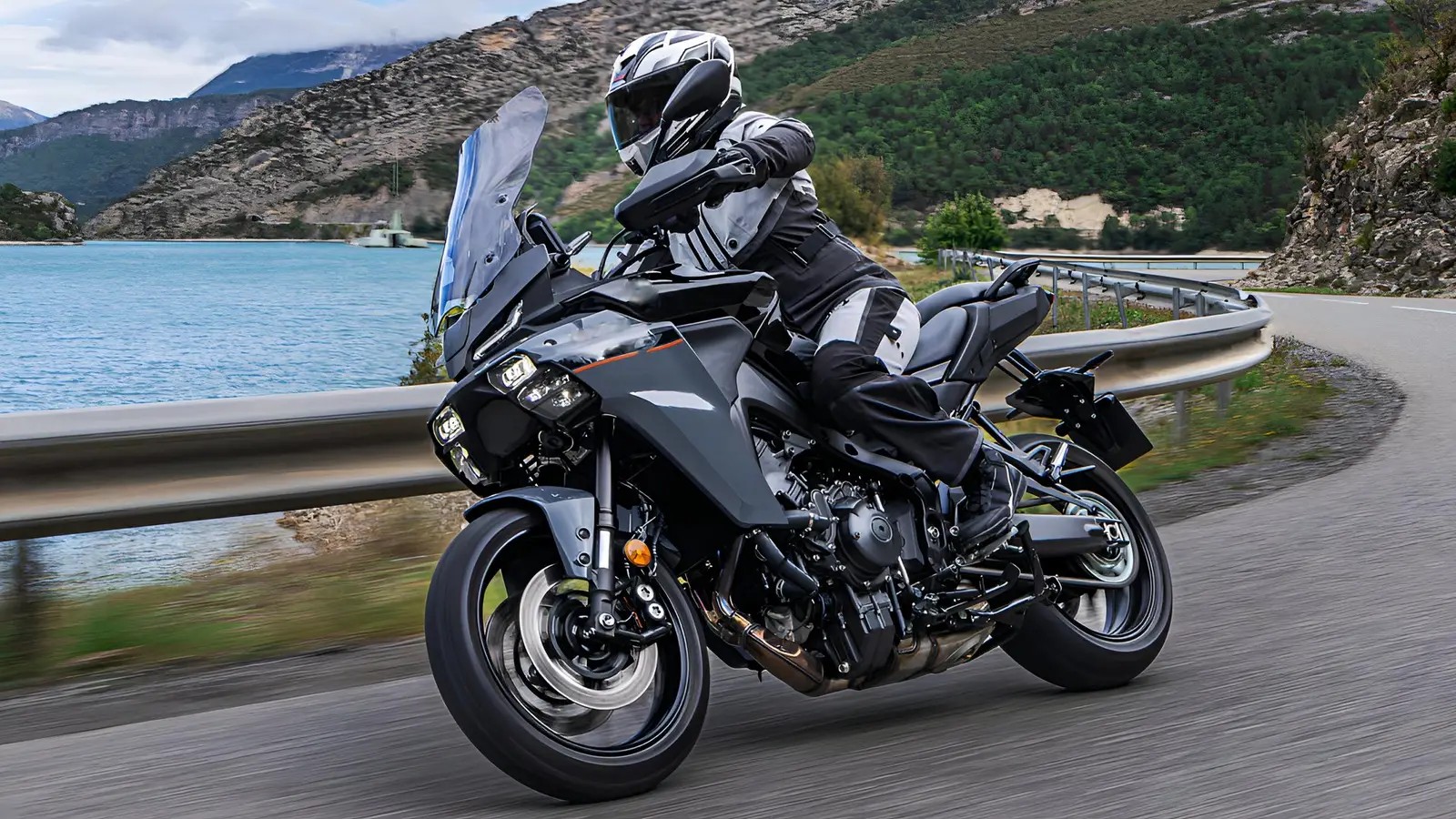
The Yamaha Tracer 9 exemplifies this trend. Launched alongside the discontinuation of the iconic V‑Max, it was designed as a direct response to the growing demand for adaptable motorcycles. Yamaha took the platform of its popular MT-09 naked bike and added touring-friendly features—wind protection, a larger TFT display, and optimized ergonomics—without sacrificing the sporty handling. The result is a machine that can comfortably cover long distances while still providing an engaging riding experience.
Engine and Performance
At the heart of the Tracer 9 is Yamaha’s CP3 890cc inline-three engine. This engine is known for its strong, usable torque across the rev range, making it ideal for both low-speed city riding and high-speed highway cruising. Key specs include a claimed 48 MPG fuel efficiency, allowing for over 200 miles on a single tank. The engine benefits from modern enhancements like forged pistons and ceramic-composite cylinder liners, increasing reliability and performance.
Features and Electronics
The Tracer 9 is packed with features including standard cruise control and a six-axis IMU (Inertial Measurement Unit). The IMU powers advanced rider aids such as cornering traction control, wheelie mitigation, and slide control—all customizable to suit individual preferences. A six-speed transmission with an optional quickshifter further enhances the riding experience.
U.S. Market Limitations
Despite its global availability with features like Yamaha’s Y-AMT automatic gearbox, the U.S. market only receives the base model. This means no radar-based adaptive cruise control, but it keeps the price competitive. The $12,599 starting price makes it a strong value proposition in the middleweight sport-touring segment.
Competition and Alternatives
The Tracer 9 faces competition from established players like BMW and Triumph.
- Triumph Tiger 900 GT ($15,195): Focuses on paved road touring with light off-road capability, featuring an 888cc triple-cylinder engine and advanced electronics.
- BMW F 900 XR ($12,695): Emphasizes sporty performance while maintaining touring comfort, powered by an 895cc parallel-twin engine with a 6.5-inch TFT display.
- Honda NT1100 DCT: Another contender with full-size touring comfort and the convenience of an automatic transmission.
The Bottom Line
Sport-touring motorcycles like the Yamaha Tracer 9 represent a pragmatic response to rider needs: a single machine that can handle a wide range of riding conditions without compromise. The combination of performance, comfort, and affordability makes these bikes increasingly popular among riders who demand versatility in their machines. The Tracer 9, in particular, stands out as a compelling option, offering exceptional value for its price point.