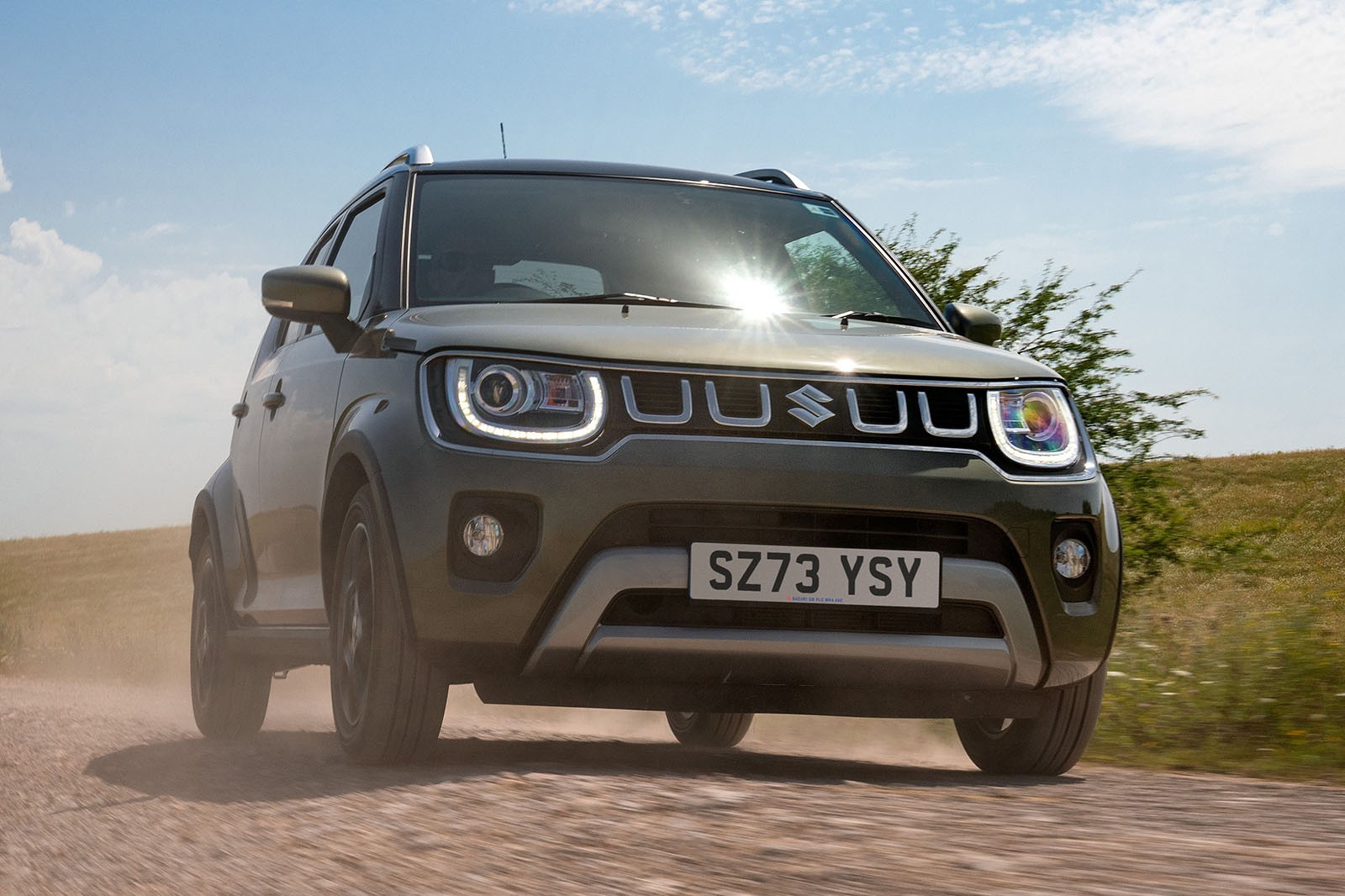
The Suzuki Ignis has proven itself to be a surprisingly capable and reliable small car, particularly for urban and rural drivers seeking versatility. Recent reliability surveys place it at the top of its class, making it an appealing choice in the used market. Despite its strengths, potential buyers should be aware of specific issues that can arise with higher-mileage examples.
Reliability and Common Issues
The Ignis consistently ranks high in reliability studies. The 1.2-litre Dualjet petrol engine is generally solid, but older, poorly maintained models may exhibit excessive oil consumption. Electrical glitches affecting Bluetooth, smartphone mirroring, and the reversing camera are also possible, though often temporary fixes (like a restart or USB connection) can resolve them.
Brake squeal caused by corrosion around the calipers is another known issue, easily addressed with a standard brake service. In manual transmissions, listen for crunching in first or reverse – a loose clutch cable or bracket is the likely cause, with bracket replacement costing around £20. Clutch judder is common but can be minimized by higher revs on takeoff.
Finally, inspect bodywork for damage and check the underside of four-wheel-drive models for off-road wear.
Practicality and Performance
The Ignis isn’t a performance car, with 0-62 mph taking around 11-12 seconds. However, it provides enough power for comfortable motorway driving and responsive acceleration in traffic. The hybrid system adds torque at lower revs, reducing the need for aggressive driving. The gearbox is light and precise, and braking is smooth thanks to the hybrid system’s regenerative braking.
Fuel economy is excellent, easily exceeding 50 mpg in real-world conditions, with up to 65 mpg possible with careful driving.
Off-Road Capability and Comfort
While primarily a city car, the Ignis—especially in Allgrip (4×4) trim—offers surprising off-road capability. Suspension lift kits are available for more serious terrain. However, boot space is limited: 204 liters in the 4×4, 267 liters in front-wheel-drive models.
Ride quality has improved since the 2020 revision but remains slightly firm, particularly in the four-wheel-drive version due to its live rear axle. Cabin noise at motorway speeds is noticeable but typical for this class. Handling is relaxed rather than sporty, but grip levels are adequate. With appropriate tires, the Allgrip model can tackle surprisingly challenging terrain, offering a low-range feel despite its modest power output (under 100 bhp).
Value and Alternatives
The Ignis no longer represents the same bargain it once did, but it remains one of the few small cars with genuine off-road capability. The discontinued Fiat Panda 4×4 was a direct competitor, while the larger Dacia Duster 4×4 offers greater versatility for those willing to trade size. Other superminis may offer more refinement, but few match the Ignis’s combination of practicality, capability, and character.
The Suzuki Ignis stands out as one of the most useful small cars available, offering a unique blend of urban practicality and rural capability at a reasonable price.