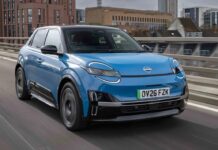
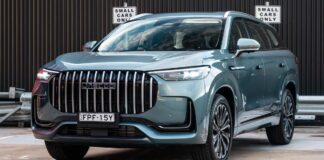
Volkswagen is actively preparing for an intensified challenge from Chinese automakers in the European market, even as current impacts remain limited. The company’s CEO, Oliver Blume, acknowledged this week that Chinese manufacturers are increasingly targeting Europe due to intense domestic competition and pricing pressures in their home market.
Why Europe?
The situation is straightforward: Chinese carmakers see Europe as a profitable alternative, particularly because they face significant barriers to entry in the United States. This strategic shift is driven by the simple fact that Chinese markets are becoming saturated and margins are shrinking, making export to Europe an essential business move.
VW’s Position: Strength and Cost Control
Blume emphasized Volkswagen’s strong brand recognition as a key advantage. European consumers value the company’s established reputation for design, quality, and service. However, he also recognized that price competition from Chinese brands is inevitable, and VW is proactively working to reduce production costs to counter this pressure.
Global Sales Overview
Despite a slight 1.0% decline in overall sales (reaching 8.8 million vehicles in 2025), Volkswagen remains a dominant force in electric vehicles (EVs). The company holds the top five best-selling EV spots in Europe, with a 66% increase in EV sales year-over-year.
- However, growth isn’t uniform. EV sales in the US dropped 10%, and in China, they fell by 8% – results that VW leadership described as “in line with expectations.”
- Strong growth was observed in South America, Asia (excluding China), and Africa/Middle East, with increases between 9% and 12%.
Financial Pressures: Tariffs and Costs
The company reported a five billion euro hit from tariffs last year. This underscores the broader economic challenges facing automakers: global trade tensions and rising production expenses.
In conclusion, Volkswagen acknowledges the escalating threat from Chinese automotive expansion in Europe. While currently manageable, the company is preparing for a more competitive landscape through cost reduction and leveraging its established brand strength. The long-term implications of this shift remain to be seen, but the trend is clear: the European car market is about to get a lot more crowded.