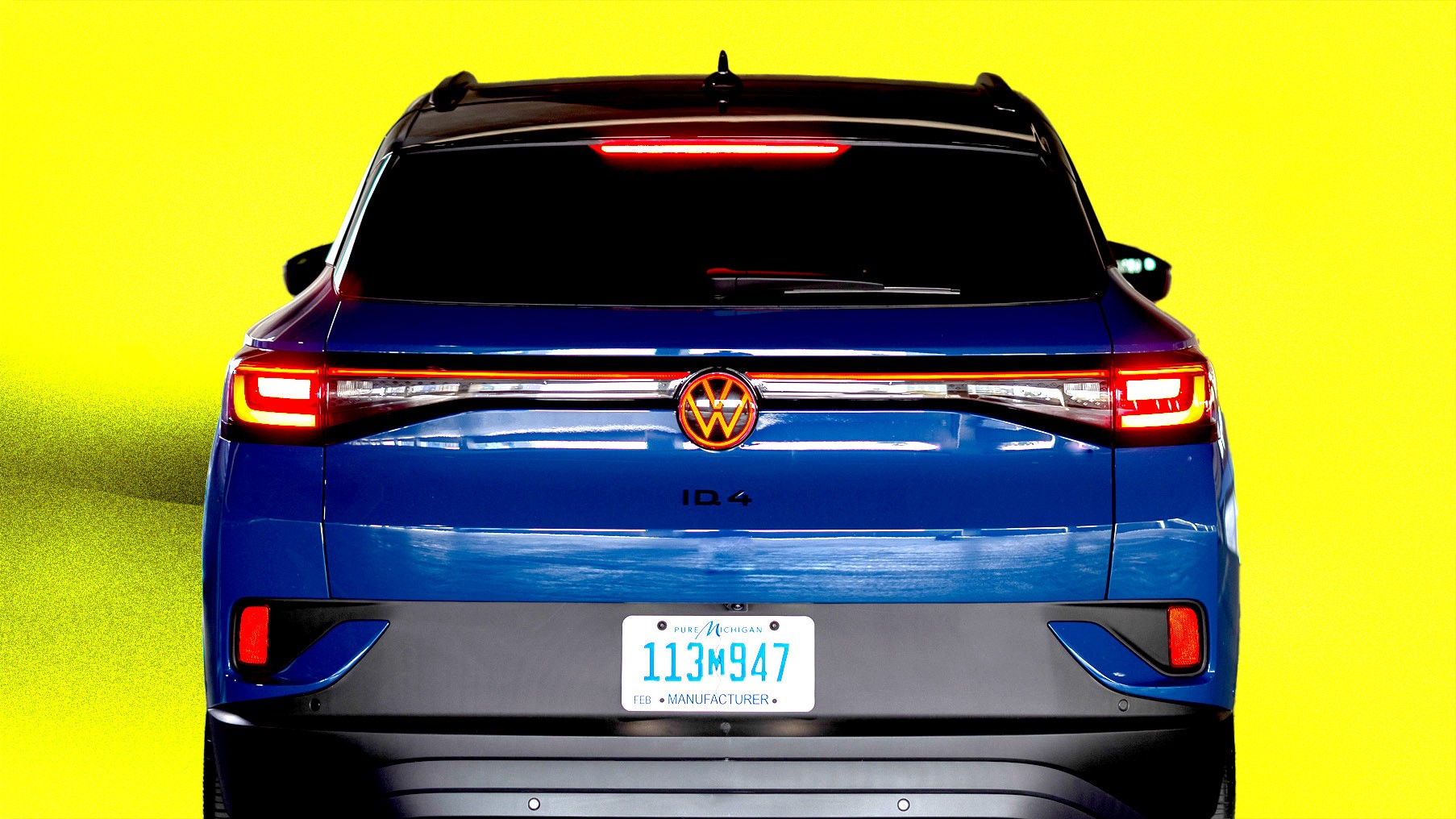
Volkswagen is recalibrating its North American strategy. The automaker has announced that it will halt the assembly and production of the ID.4 electric crossover at its Chattanooga, Tennessee, facility by the end of this month. In a significant reversal of its recent electrification push, the plant will instead pivot toward high-volume internal combustion engine (ICE) vehicles, beginning with the all-new second-generation Volkswagen Atlas.
A Strategic Retreat from the EV Frontline
The decision marks a notable shift for Volkswagen. When the Chattanooga plant became the North American production hub for the ID.4 in 2022, it was viewed as a cornerstone of VW’s transition to an electric future—a direct competitor to the highly successful Tesla Model Y.
However, the rapid momentum of the EV market has hit several headwinds:
– Diminishing Demand: Consumer appetite for electric vehicles has not matched the aggressive forecasts of previous years.
– Pricing Pressures: Rising costs have made it difficult to maintain competitive margins in a crowded market.
– Market Volatility: The expiration of federal tax credits has created fluctuations in sales, making long-term production planning difficult.
In a statement addressing these hurdles, Volkswagen noted that the industry is facing a period of “unpredictability,” necessitating “measured decisions” to navigate the current EV landscape.
What This Means for the ID.4 and the Chattanooga Plant
While the production line is shifting, the ID.4 is not being immediately withdrawn from the market. Volkswagen has outlined a transition plan to ensure continuity for existing customers and dealerships:
- Inventory Continuity: The company expects existing 2026 model-year inventory to remain available through 2027.
- Future Models: VW insists that a version of the ID.4 is still planned for the North American market, though no specific timeline or manufacturing location has been confirmed.
- Workforce Impact: The transition will see workers move from ID.4 assembly to the production of the new Atlas. To manage the shift, Volkswagen is offering eligible employees the option of early retirement.
The Return to “High-Volume” Reliability
The move to prioritize the Atlas—a staple of the American SUV market—suggests that Volkswagen is prioritizing immediate profitability and proven consumer preferences over rapid electrification. By focusing on high-volume, gas-powered models, the brand aims to stabilize its US operations while waiting for the EV market to mature and become more predictable.
The company hinted that future high-volume models designed specifically for American consumers may eventually return to the Tennessee plant, but for now, the priority is securing the plant’s “long-term success” through traditional, high-demand vehicles.
Conclusion
Volkswagen’s pivot in Tennessee reflects a broader trend in the automotive industry: a cautious “wait-and-see” approach to electrification. By prioritizing the proven Atlas SUV over the ID.4, the company is prioritizing financial stability and consumer demand in an uncertain economic climate.