


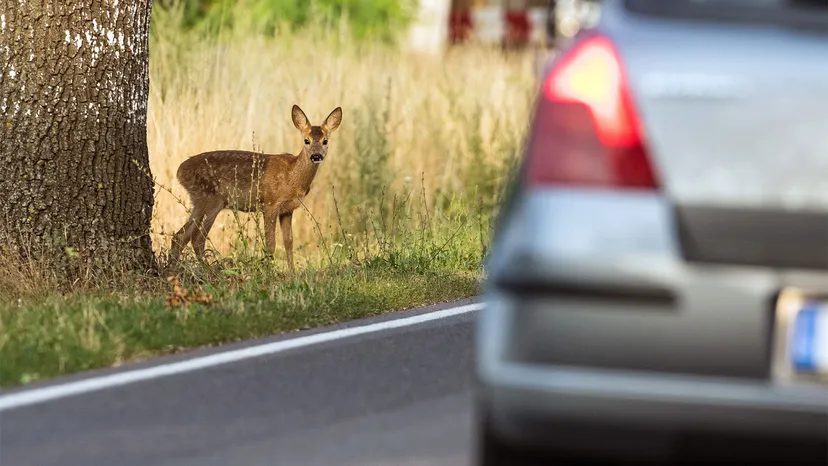
Autumn has arrived. The leaves begin to turn yellow, the air is fresh, and the roads suddenly become more dangerous.
Twilight is dangerous. During the full moon the situation may get worse.
More than a million deer accidents occur each year in the United States. The death toll is staggering. Material damage exceeded one billion dollars. About 200 people died. 29,000 people were seriously injured.
The average property damage claim is $2,600. The average total cost, including serious injury or death, is more than $6,000.
In rural areas, it may seem impossible to avoid ungulates such as moose, elk and white-tailed deer. This is not true. However, you need to know when and where they will hit the road.
Transportation agencies are working with researchers to predict these entry points. They put up warning signs. They put up a fence. They create wild passages under or above roads.
It is equally important to know when the accident occurred.
My former students Victor Colino-Rabanal and Nimanthi Abeyrathna and I analyzed more than 86,000 deer-vehicle collisions among white-tailed deer in New York State. We used three years of police records.
Here’s what our and other studies say about timing and risks:
Lunar cycles and seasonal peaks
The risk of hitting a deer varies depending on the time of day, day of the week, lunar cycle and season.
These cycles depend in part on driver behavior. When there is a lot of traffic, traffic accidents increase quickly. Drivers are the least vigilant. These are the worst conditions for observing animals.
Deer behavior also plays a role.
Accidents involving multiple vehicles are not uncommon. Frightened drivers avoid the animal. They collide with a vehicle in another lane. Or they slam on the brakes and hit the car behind you.
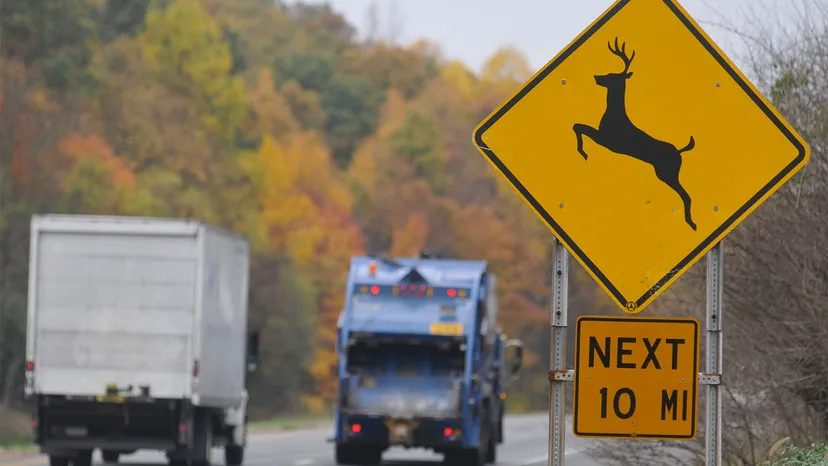

When the sun goes down
The data doesn’t lie. We analyzed thousands of bug reports and found clear patterns. Most attacks occur at dusk and dawn. At this time of year, deer are on the move and almost invisible to humans. Only 20 percent of car accidents occur in broad daylight.
Let’s think about math. The hourly risk at dusk was eight times higher than at midday. At dusk the temperature is four times higher than in the evening. The windows are very narrow. The danger is real.
The rhythm of everyday life and weekend traffic jams
You might think the weekend would be worse. But the weekly data shows how commuting is faring. The number of accidents increases at dusk, a dangerous time when there are most drivers on the road. This has to do with work patterns.
Then Friday evening came. Social factors come into play. The Date Night movement increases traffic on roads that are already slippery due to deer activity. The number of cars has increased. Even more worrying. Reaction time is reduced.
Moon influence
Look at your monthly cycle. The full moon brings the most collisions. This is especially true when the moon is at its brightest. Lighting changes behavior. The moose are further away from the refuge. When you can see better, you feel safer when you hit the road.
This is not just a feature of North America. This pattern also applies to deer and other ungulates throughout Europe. The level of light determines the movement. Business defines risk.
“As nighttime light increases, deer are more likely to travel greater distances from covered areas and onto the road.”
It’s a simple equation. Poor light means poor visibility. The bright moon is like a brave deer. Combine that with rush hour traffic and you have a recipe for disaster. The data confirms what experienced hunters already know. Time is more important than you think.
Rules, hours and collision information
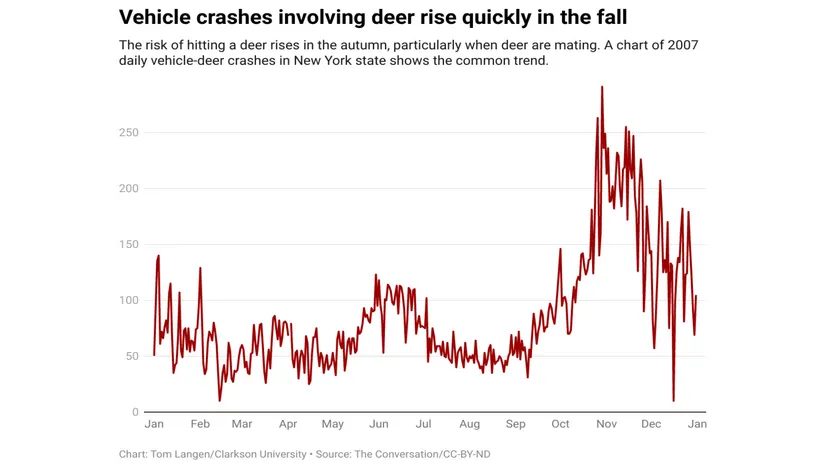
October is over. It starts in November. This window is more than just a seasonal change. It was the worst accident for drivers in many parts of the United States.
Car accidents involving deer do not happen by accident. they get together. In particular, they gather together during the hot season. The Bucks are hungry. they were shocked. They don’t care about your bumper when they cross the road. In New York State, the numbers are absolutely terrifying. Peaks occur in the last week of October and the first weeks of November. Accidents are reported to be four times higher than in the spring. Car accidents involving deer follow the same pattern. big animals. Great influence. It’s the same time.
Next, the clock is converted.
Daylight saving time ends at the beginning of November. In 2021 it falls on November 7th. I lost an hour. Move the sun later. Suddenly rush hour and twilight collided. Dusk is the time when deer are most active. Now you are traveling at the most dangerous time of the year and on the most dangerous day of the year.
Most U.S. states and more than 70 countries have adopted daylight saving time, and foot and hoof accidents related to the clock change are a common problem.
It’s the perfect storm. You are tired of wasted time. The light goes out quickly. The deer is running. The likelihood of a collision increases significantly.
Why time changes are important for wildlife safety
Discussions about daylight saving time often concern people’s health. The dream was interrupted. Circadian rhythm disturbance. short-term pressure. Fatigue.
But there are other costs. Something that can be measured. Delay increases risk. This marked the beginning of a biological golden age for ungulates. Driving on a rut is already a big risk. When you drive in the dark, you cannot see what is happening on the road.
This is not just a local problem. This approach is global. More than 70 countries experience seasonal variations. This means that millions of drivers are exposed to this complex risk every year. It’s more than just losing an hour of sleep. This is a loss of visibility during peak wildlife activity.
Moose does not respect calendars and zones
This is a misunderstanding. It was believed that deer lived in the forest. They believe the accident only happened on the trail in November.
This is wrong.
Accidents with deer happen all the time. at any time. at any time. They happen in the summer. They take place in July. They happen in broad daylight.
And they don’t stay in the village. Accidents often occur in urban areas. In the suburbs. city. If there is a fence, there will be deer. The presence of deer can be dangerous.
Thanks to their career, their number has increased dramatically. Clocks that are out of sync increase risk. But the underlying risk is always there. Just because it’s April doesn’t mean it’s safe. Just because you’re in a city doesn’t mean you’re safe. You are only safe when you are focused.
But this is not enough.
The Statistical Reality of Wildlife Conflicts
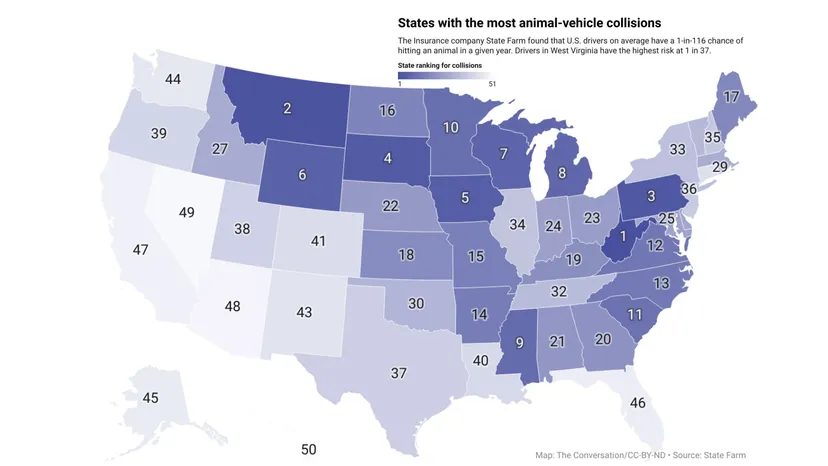
State Farm data paints a grim picture for American motorists. The chance of meeting an animal is approximately 1:116. The numbers seem abstract until you look at the map. West Virginia, Montana, Pennsylvania? These states have inherently difficult conditions for wildlife. In the year to June 2020, insurers processed 1.9 million wildlife strike claims. What about deer? They account for 90% of the massacres occurred.
It’s not just about driving slowly. It’s about understanding when forest moves onto the asphalt. Ungulates follow the rhythms humans ignore. Dawn. Dusk. These are danger zones. The same goes for bright moonlit nights. The light confuses them. This disrupts their natural shadows. And then comes the fall rut. breeding season. During this time, deer may become reckless, distracted, and aggressive.
Tom Langen, a biology professor at Clarkson University in Potsdam, New York, has dedicated his life to studying these patterns. He knows that instinct alone cannot save you. It takes time. You should know that high beam headlights can freeze deer rather than make them run away. This is a common misconception.
“Drivers should always be vigilant, especially at dawn, dusk, on bright moonlit nights and in the fall.”
Statistics don’t lie. The same goes for biology. You can buy the best collision avoidance system money can buy. How about a sunset trip through Pennsylvania in October? The math changes. The deer don’t care about your safety equipment. All they care about is staying alive. At this moment, you are just two bodies moving through a space that neither of you owns.


