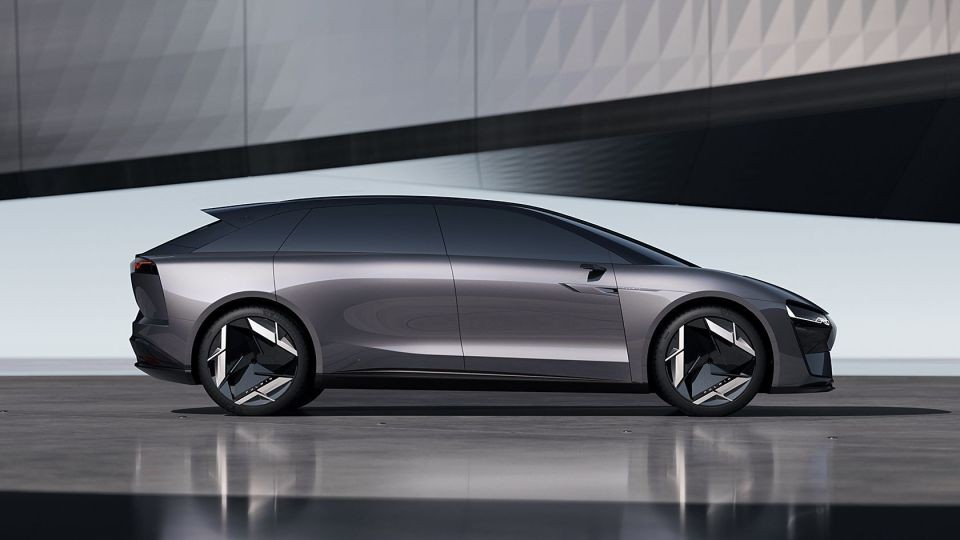
Chery’s Exeed brand is planning to be among the first automakers to offer a production vehicle powered by a solid-state battery, with the Liefeng shooting brake model slated for release in 2026. The vehicle is projected to deliver a 1,500 km (932 miles) range even in extreme cold (-30°C or -22°F). This move signals a rapid push toward next-generation battery technology, but also raises questions about the real-world readiness of solid-state batteries.
Solid-State Battery Technology and Chery’s Approach
The Liefeng will utilize Chery’s Rhino S solid-state battery, aiming for an energy density of 600 Wh/kg. Unlike traditional lithium-ion batteries that use liquid electrolytes, solid-state batteries replace the flammable liquid with a solid material, theoretically enhancing safety and energy density. Chery is focusing on oxide-based solid electrolytes, one of three main approaches (along with polymer and sulfide) currently being explored.
The key advantage touted by Chery is reliable performance in frigid temperatures. Existing EVs often suffer significant range loss in cold weather; the Liefeng aims to bypass this limitation. The company claims its batteries will operate effectively at -30°C, a critical factor for markets with harsh winters.
Performance Specifications
Beyond the range, the Liefeng is set to feature an 800V architecture and a high-speed electric motor capable of reaching 30,000 rpm. This configuration is expected to deliver acceleration from 0 to 100 km/h (0 to 62 mph) in under 3 seconds, with a top speed of 260 km/h (162 mph). This places the Liefeng firmly in the high-performance EV segment.
Phased Rollout and Industry Skepticism
Chery intends to deploy the first vehicles equipped with solid-state batteries in ride-hailing and rental fleets in 2026. This approach allows for real-world data collection before mass production begins in 2027. The company’s timeline suggests confidence, but industry experts remain cautious.
At the 2025 World Power Battery Conference in Sichuan, China, leading battery and automotive figures warned that large-scale commercialization of solid-state batteries is still distant. Despite recent breakthroughs, significant hurdles remain in scaling production and ensuring long-term stability. The next few years will be critical in determining whether solid-state technology can deliver on its potential.
The success of Chery’s plan hinges on overcoming manufacturing challenges and proving the durability of its solid-state batteries in real-world conditions.
Ultimately, Chery’s aggressive timeline will be a crucial test for the entire solid-state battery industry. The Liefeng’s launch will either validate the technology’s promise or reinforce skepticism about its near-term viability.