The definition of a “smart” family vehicle has shifted dramatically in 2026. For decades, the formula for a family SUV was simple: maximize engine size, horsepower, and interior volume. However, rising fuel costs, urban congestion, and a growing awareness of total ownership expenses have dismantled this logic. Today’s buyers are no longer impressed by raw power alone; they demand efficiency without sacrificing practicality, technology that enhances daily life, and long-term financial sense.
This recalibration has created a surge in demand for hybrid SUVs that offer genuine three-row versatility while significantly reducing fuel consumption. While fully electric vehicles remain appealing, they still require charging infrastructure and lifestyle adjustments that not all families are ready to make. Hybrids, by contrast, offer a seamless transition: they deliver meaningful fuel savings and smoother drivability compared to conventional gas engines, without the range anxiety or charging constraints of EVs.
Amidst this shift, one vehicle has emerged as the definitive middle ground between affordability, efficiency, and modern family needs: the 2026 Hyundai Santa Fe Hybrid. It addresses the historical trade-off between space and efficiency, offering a compelling package that leaves traditional gas-powered rivals looking outdated and overpriced.
Breaking the Space-Efficiency Trade-Off
Historically, adding a third row to an SUV meant accepting a steep penalty in fuel economy. The 2026 Santa Fe Hybrid challenges this norm. Despite offering standard three-row seating for up to six or seven passengers, it achieves a combined fuel economy in the low-to-mid 30 mpg range. This places it well ahead of many traditional midsize gas SUVs, which often struggle to exceed 25 mpg combined.
This efficiency is paired with substantial practicality:
* Extended Range: With a 17.7-gallon fuel tank, the Santa Fe Hybrid can achieve a real-world driving range exceeding 600 miles under ideal conditions. This reduces the frequency of fuel stops during long family trips.
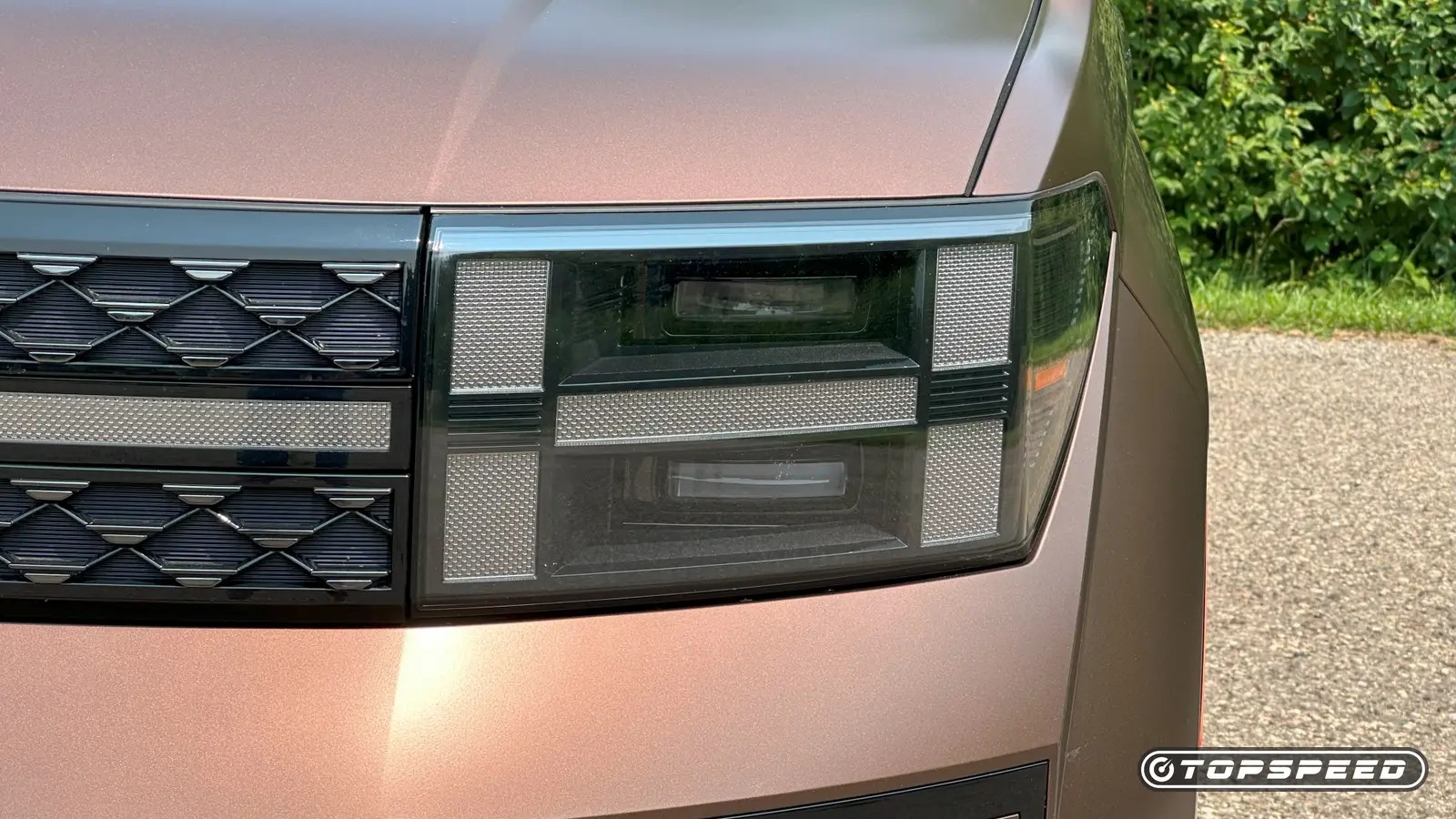
* Optimized Interior Packaging: Hyundai’s new upright, boxy design maximizes interior volume. A longer wheelbase and squared-off rear end improve third-row accessibility and cargo utility.
* Flexible Cargo Space: While cargo capacity behind the third row is approximately 14.6 cubic feet, the layout is highly functional. Fold-flat seating allows the vehicle to transition effortlessly between passenger-hauling and cargo-carrying modes.
Performance That Prioritizes Comfort Over Speed
Under the hood, the Santa Fe Hybrid utilizes a 1.6-liter turbocharged inline-four engine paired with an electric motor, producing a combined 231 horsepower and 271 lb-ft of torque. While these figures may seem modest compared to V6-powered competitors, the hybrid system fundamentally alters the driving experience.
- Immediate Responsiveness: The electric motor provides instant torque, making the SUV feel energetic and responsive in city driving and stop-and-go traffic.
- Refined Transmission: Unlike many hybrids that use Continuously Variable Transmissions (CVTs), Hyundai employs a conventional six-speed automatic. This provides a more natural, familiar driving feel with defined gear shifts.
- Seamless Power Transitions: The 270-volt lithium-ion battery pack supports short bursts of electric-only driving and assists the engine under load. The transition between electric and gasoline power is nearly imperceptible, contributing to a quiet, composed cabin.
Acceleration is adequate rather than thrilling, with 0-60 mph times in the high nine-second range. However, for family use, smoothness and refinement are far more valuable than raw speed. The suspension is tuned for comfort, absorbing road imperfections to ensure a relaxed ride for all passengers.
A Tech-Forward and Comfort-Focused Cabin
The interior of the Santa Fe Hybrid reflects Hyundai’s focus on modern usability and premium feel without luxury pricing.
- Digital Interface: The cabin is anchored by a dual 12.3-inch display setup, integrating the digital instrument cluster and infotainment system into a cohesive interface. It supports wireless smartphone integration and over-the-air updates, ensuring the technology remains current.
- Material Quality: Soft-touch surfaces, thoughtful trim options, and a clean design give the interior a premium aesthetic. Practical storage solutions and a versatile center console make it easy to manage everyday items.
- Seating Flexibility: Available second-row captain’s chairs enhance comfort and accessibility. The third row, while best suited for children or shorter trips, is more usable than many segment competitors.
- Advanced Safety: A comprehensive suite of driver-assistance features, including adaptive cruise control, lane-keeping assist, blind-spot monitoring, and forward collision avoidance, reinforces its family-friendly credentials.
Unmatched Value in a Competitive Market
One of the Santa Fe Hybrid’s strongest advantages is its value proposition. Pricing starts at $36,150 and reaches $50,250 for fully equipped models. When compared to rivals like the Toyota Highlander Hybrid or Kia Sorento Hybrid, the Santa Fe often offers more features for the money, with competitors frequently requiring higher trims to access comparable technology and comfort.
- Lower Total Cost of Ownership: With real-world fuel economy around 30 mpg, owners save significantly on fuel costs compared to traditional gasoline SUVs.
- Industry-Leading Warranty: Hyundai backs the vehicle with a 5-year/60,000-mile basic warranty, providing peace of mind for families planning long-term ownership.
The Santa Fe Hybrid does not just undercut competitors on price; it delivers a more cohesive package that balances efficiency, space, and technology. As families increasingly prioritize total cost of ownership over badge prestige, the Santa Fe Hybrid stands out as the most rational and rewarding choice in the segment.
The 2026 Hyundai Santa Fe Hybrid represents a pivotal shift in family automotive choices: it proves that you no longer have to sacrifice efficiency for space, or value for technology. By blending practical three-row utility with hybrid efficiency and competitive pricing, it offers a complete solution for modern family needs.