


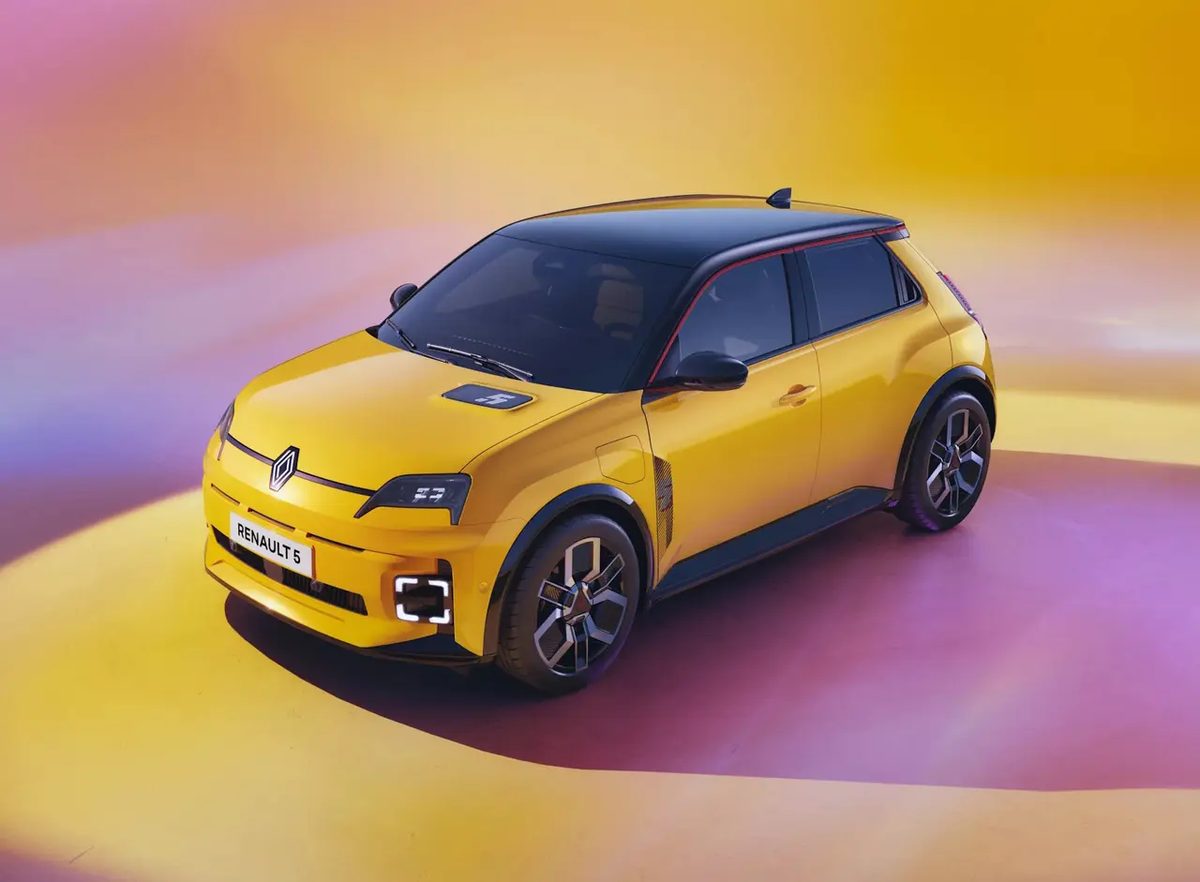
The wait is over. What was predicted at the 2022 Paris Motor Show has finally come true. Renault presented the production version of the Renault 5 E-Tech at the Geneva International Motor Show in Switzerland.
It resembles a memorable classic from the 1970s and 1980s. This is a 3.57 meter long city car that combines the aesthetic DNA of legendary models such as the Super 5 and R5 Turbo. big wheels. clear wheel arches.
But what about inside? Forget the nostalgic trip. The interior is very futuristic. This is an electric car after all.
Renault hates the word “retro”. They called it the “Renault Revolution”. A mythical model thrown into the future. Performance data supports this claim. The basic model has a 40 kWh battery. The range is about 300 kilometers. It also has a bidirectional charging function. This means that the car can send energy back to your home’s electrical grid in the event of a power outage.
The battery module itself is new. It’s light. The engine is new. The brake system is also new.
The real attraction here is the price. Prices for the basic R5 E-Tech start at around 25,000 euros. This beats most competitors in the affordable city car segment. There are bigger options. The 52 kWh battery pack offers a range of up to 400 kilometers. Renault has not yet reduced the price of this version.
It will be available for purchase in 5 colors from October.
How the new R5 is changing the electric city car game
The debut of the Renault 5 E-Tech marks a change for the French automaker. Not only do they release retro-style electric cars; They bet on a special combination of design and practicality that appeals to both purists and tech buyers.
The exterior shape largely reflects the attitude of the R5 Turbo. Wide arches aren’t just for show. These accommodate larger wheels and give the car a planted look, as opposed to the flimsy feel typical of small electric hatchbacks. The length of 3.57 meters allows plenty of space for a modern cab layout while being nimble on narrow city streets.
Why interior design resists nostalgia
The decision to remove retro elements from the interior was important. Most of the competitors in this segment lean heavily on retro aesthetics to sell an emotional connection to the brand. Renault did the opposite. The cockpit is designed for the digital age.
It’s not just about reducing costs. It’s about positioning the car as a technology product. Instead of imitating the past, the focus is on connectivity, efficiency and driving experience.
Description of battery technology and bidirectional charging
The 40 kWh battery is the entry point. The range is 300 kilometers. This is standard for similar products. The real innovation is the bidirectional charging feature.
Most electric cars consume electricity. they don’t return it. Renault 5 E-Tech act as a power source. If the electricity in your house goes out, your car can send power back to the outlet. This is not just a trick. This adds a layer of resilience.
The battery module is lighter than the previous generation. The lighter the battery, the more efficient it is. Greater efficiency means that a longer range can be achieved with the same amount of stored energy.
Pricing and larger battery option
25,000 euros is a lot. This puts the Renault 5 directly in competition with other affordable city cars. The market is crowded. This pricing forces competitors to justify their costs.
The range of the 52 kWh version is 400 kilometers. This is a huge improvement. Transform your car from an “urban commuter” to a “regional traveler”. Renault is keeping the price a secret for now. This suggests that they first want to gauge the market’s reaction to the base model.
Release information and availability
The car is scheduled to go on sale in October. Available in 5 colors

400km goal
The message has been forwarded. The Zoe is gone after a decade-long reign that defined a generation of urban electric vehicles. Renault is currently staring down the barrel of replacing to its best-selling model. They want us to wait for a nostalgic revival of the 1972 icon. But nostalgia alone won’t sell cars in 2024. We need numbers match the old guard.
Enter the Renault 5 E-Tech.
The strategy is simple. It’s brutal, actually. The brand has identified range anxiety as the biggest pain point for electric buyers. Old Zoe didn’t lie about her abilities, so she survived its later years. The range is about 400 kilometers. It’s a selling point. The new R5 E-Tech promises exactly the same.
Battery specifications and actual logic
We are not talking about theoretical cycles here. We are talking about the 52 kWh battery that worked in the previous model. The 2024 version has been locked into matching this number. Why is this important? “long range” is a marketing term that means nothing if your car doesn’t make it to the next charging station during your Tuesday morning commute.
The Renault 5 E-Tech doesn’t want to be a luxury cruiser. It’s a citadel. This is a city car. In city driving, 400 km is a big buffer. It allows you to take weekend trips without having to constantly think about finding a plug. This reflects Zoe’s success. Not because it’s faster or flashier, but because its core promise is reliability.
The Challenge of the Revival
Selling retro-type electric cars is risky. The design looks like it’s from 1972, but the engineering is 2024. The market is flooded with cheap Chinese imports and premium German options. Where does a small French hatchback fit?
It’s practical. The previous Zoé worked because it felt like a real car, not a prototype. The R5 E-Tech aims to be a similar “dignified successor”. This is not reinventing the wheel. It’s just making sure the wheel keeps turning for 400 kilometers before you have to stop.
“The strategy is simple. It’s brutal, actually. The brand has identified the biggest pain point for electric buyers: range anxiety.”
This is not just an about aesthetics. This is to preserve the user base that trusts Zoé. If you like the Zoé, the R5 E-Tech offers the same lifeline. No more. No less. Just enough.
Renault has finally dropped the numbers for its new electric car, the R5, but its strategy is clear. It’s more about sales than vanity. Here you see two battery packs. The largest of these is 52 kWh, which the French automaker claims gives it 400 kilometers on the WLTP cycle. It won’t break efficiency records, but it’s doable for a retro-styled city car.
Then there are entry-level options. A small 40 kWh battery is included. This version is a real killer. drops the starting price to just €25,000. This is a reduction of 7,500 euros compared to the previous generation Renault Zoe. The Zoe isn’t cheap, so pricing the R5 below the benchmark would be bullish. However, smaller battery models are not readily available. It’s coming later.
Design cues that actually mean something
Renault has been drip-feeding us images with the hashtag #R5VOLUTIONISBACK since December 2023. It’s not about the car as a whole, but about certain nostalgic references that hit a certain demographic hard on a certain group.
Look at the rear arch. They’re widened. This is a direct homage to the Renault 5 Turbo. If you remember that red-and-white rally specials, you’ll get the idea. Otherwise, it just makes the car look planted.
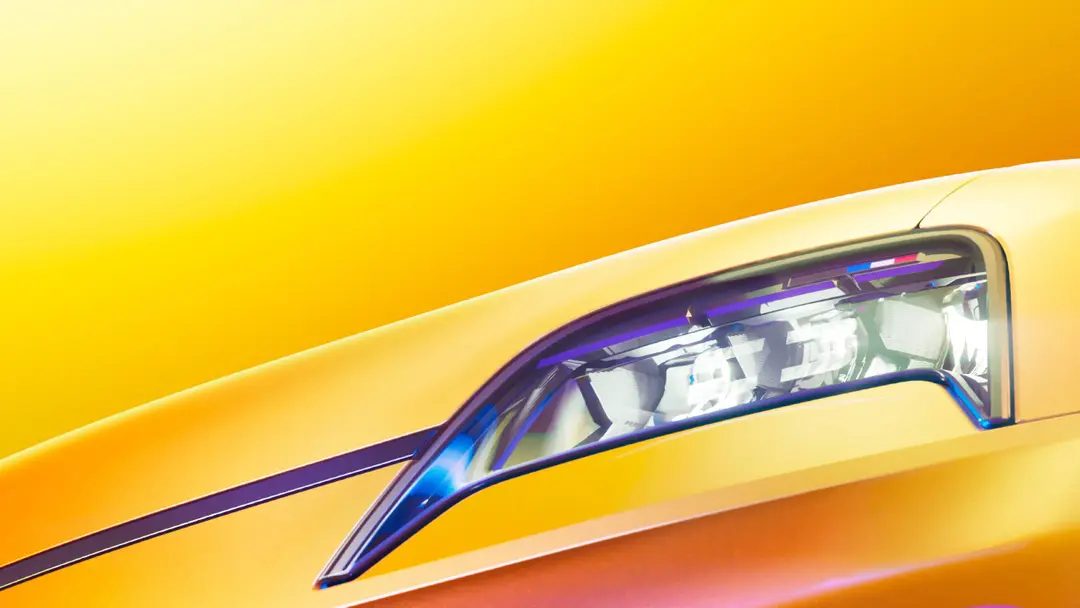
Headlights are another story. These mimic the specific shape of the 1972 TV commercial “Les Aventures de Supercar”. *Yes, that retro-futuristic show. It’s obscure enough and can only be understood by people of a certain age, but it’s a deliberate stylistic choice. At the rear, vertical taillights continue this iconic feature.
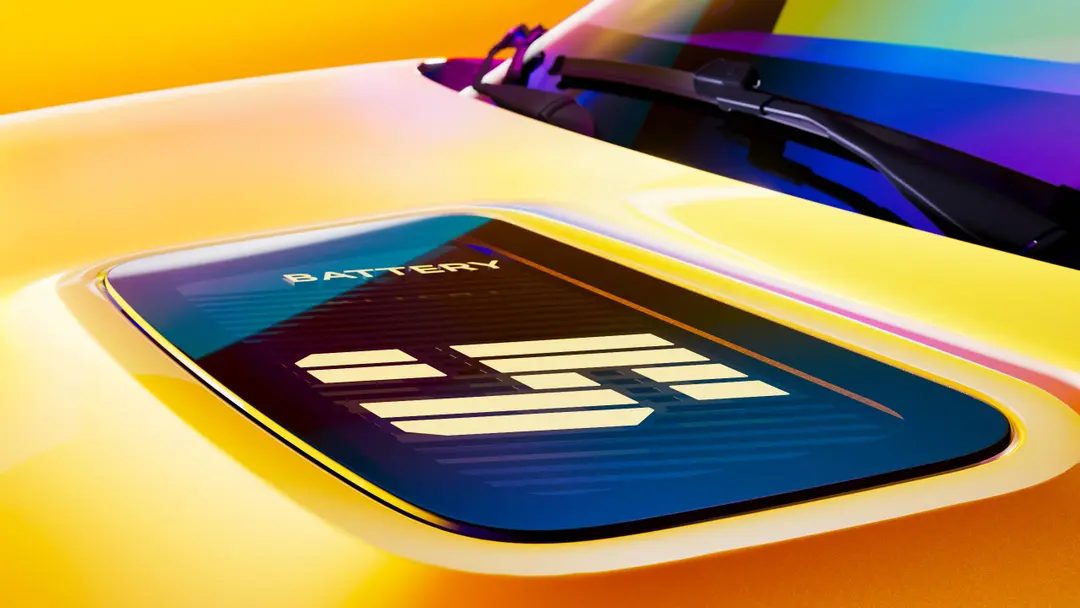
But the smartest bit? Charging indicator light. It’s integrated into the hood where the original R5 Turbo’s engine intake would have been. When the battery charge level reaches 100%, “5” will light up. This is a subtle easter egg.
Color palette: Acid Green and Dark Blue
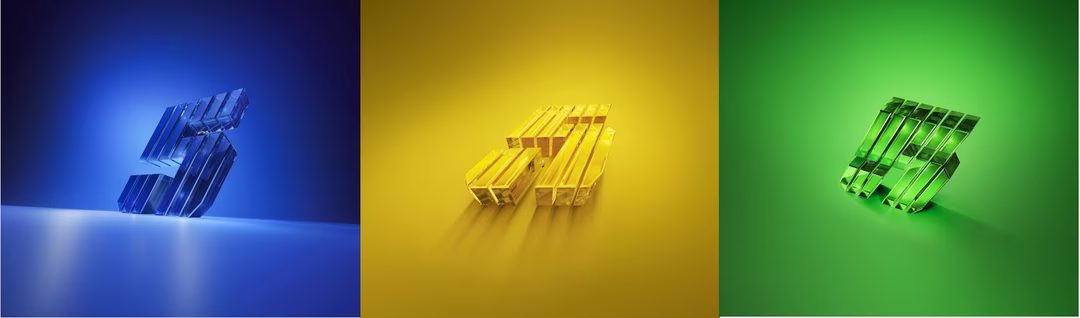
The colors haven’t been fully revealed yet, but Renault showed us three special shades.
- Yellow: Close to prototype color. It is bright and striking.
- Acid Green: A sharp and energetic color that follows the “revolution” theme.
- Dark Blue: Stylish. It doesn’t scream “electric car.” In fact it reminds me of the Clio Williams and R21 2L Turbo from the 80’s.
It’s not just about choosing colors. This shows that this is not your typical corporate EV. It tries to bridge the gap between a practical city car and a driver’s car. The specs are modest, but the styling is leaning hard into heritage. It remains to be seen whether it will be enough to beat the Dacia Spring or the Citroën ë-C3.

The black roof dilemma
The roof remains black. A priori, that’s the deal. Unless the manufacturer decides to offer customization options like Mini did with the “Mini Electric”. This is a trend that is entering the city car segment and offers a way out of the monochromatic trap. But for most buyers, this is still a two-tone affair where the dark side wins.


