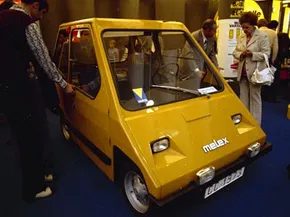
Від них не сховатись. Автомобілі домінують у американському ландшафті, особливо у щільно заселених міських центрах. Вони не просто засобом пересування; це сильна культурна сила. Вони сформували історію та продовжують визначати наші поточні та майбутні переміщення.
Більшість автомобілів на дорогах досі працюють на бензині. Їхні двигуни використовують цикл Отто — чотиритактний процес згоряння, названий на честь німецького інженера Ніколауса Отто. Ця система стискає суміш повітря та палива для створення руху. Бензин та дизельне паливо були основними джерелами енергії ще до того, як Model T Генрі Форда з’явилася на вулицях. Критики давно нападають на цю залежність від нафти. Аргумент простий. Звичайні автомобілі неефективні. Вони обходяться водіям дорожче і завдають шкоди довкіллю.
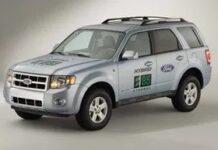
Існують автомобілі на альтернативних видах палива та гібриди, але вони залишаються нішевим ринком. У 2008 році в Сполучених Штатах було продано лише близько 40 000 гібридів. Ці автомобілі використовують нові методи економії палива та зниження викидів. Вони екологічно чисті за своєю конструкцією. Але вони є лише малу частку від загального обсягу продажів.
Важко повірити зараз, враховуючи гуркіт двигунів внутрішнього згоряння всюди, але електромобілі колись були популярними. Ми говоримо не про прототипи 1990-х років. Ми говоримо про 1890-і роки. Автомобілі з бензиновим двигуном тоді тільки починали з’являтися. Електромобілі демонстрували реальний потенціал масового виробництва вже тоді. Сьогоднішні американські автовиробники не винаходять щось нове. Вони відроджують стару ідею.
Вам цікаво дізнатися про джерела електромобіля? Якими були перші моделі? Чи дбали ранні прихильники про сталий розвиток? Відповіді криються наприкінці ХІХ століття.
Перший електромобіль
У електромобілів у США напрочуд довгий родовід. Перш ніж двигун внутрішнього згоряння став стандартом, електрика була серйозним претендентом на роль засобу особистого транспорту. Технологія була футуристичною. Вона була сучасною.
Ранні електромобілі були простими. Вони не мали складної інженерії сучасних моделей Tesla або Nissan Leaf. Акумулятори були важкими. Свинцево-кислотні блоки накопичували обмежену кількість енергії. Запас ходу був проблемою. Типовий ранній електромобіль міг проїхати лише двадцять-тридцять миль на одному заряді. Це ніщо порівняно із сьогоднішніми стандартами. Однак для міської їзди цього було достатньо.
Міські вулиці були короткими. Поїздки працювати були короткими. Електромобілі процвітали в міських умовах. Вони були тихі. Вони не виготовляли вихлопних газів. Це було значною перевагою в переповнених містах, де якість повітря вже була поганою через спалювання вугілля та кінського гною. Відсутність шумового забруднення робило їх бажаними для житлових районів.
Хто керував цими ранніми електромобілями? Вони були дорогими. Початкова ціна покупки була високою. Обслуговування також коштувало дорого. Тільки багаті могли дозволити собі їхню покупку. Багаті жінки, зокрема, віддавали перевагу електромобілям. Водіння бензинового автомобіля було брудним та важким. Доводилося заводити двигун вручну за допомогою стартерної рукоятки. Для цього була потрібна фізична сила. Електромобілі заводилися натисканням кнопки. Вони були чистими. Вони були простими в управлінні.
Інфраструктура підтримала це раннє впровадження. У містах почали з’являтися електрозарядні станції. Зарядка вдома була можлива для тих, хто мав правильну проводку. Мережа розширювалася. Технологія вдосконалювалася.
Але бензин мав свої переваги. Відкриття великих нафтових родовищ у Техасі та Каліфорнії знизило ціни на паливо. Бензин подешевшав. Нафтопереробні заводи збільшили масштаби виробництва. Значно впала ціна на бензиновий автомобіль. Електромобілі залишалися предметом розкоші. Вони не могли конкурувати за ціною.
Ще одним фактором була надійність. Акумулятори перших електромобілів швидко розряджалися. Вони потребували частої заміни. Бензинові двигуни можна було відремонтувати простими інструментами. Механіка стала більш поширеною. Для ремонту електромобілів потрібні спеціальні знання.
Незважаючи на ці труднощі, електромобіль деякий час утримував свої позиції. Це був життєздатний варіант для певних демографічних показників і випадків використання. Ринок був невеликий, але він існував.
Чому електромобілі
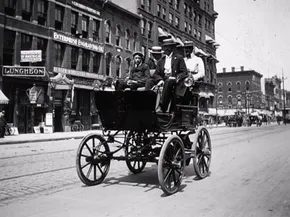
Більшість автолюбителів вважають, що двигун внутрішнього згоряння завжди був однозначним переможцем. Вони помиляються. До того, як бензин захопив дороги, ринок був хаотичною битвою ідей. За домінування змагалися бензинові, дизельні, парові та електричні двигуни. Ніхто не дбав про вуглецевий слід тоді. Мета була проста: створити щось, що рухалося б без педалей.
Легко забути, що гонка за першим самохідним транспортним засобом почалася кілька століть тому. Леонардо да Вінчі накидав примітивні концепції в 1400-х роках. Але це були лише малюнки. Справжній рух почався лише в кінці 19 століття. І на короткий блискучий момент електромобілі виглядали майбутніми чемпіонами.
Хто створив перший електромобіль?
Важко визначити точне походження першого електромобіля. Цілком залежить від того, як ви розумієте слово «автомобіль».
Якщо ви шукаєте перший працюючий електродвигун в автомобілі, зверніться до Томаса Девенпорта. У 1834 чи 1835 роках цей механік із Вермонта побудував невеликий локомотив із акумуляторним живленням, використовуючи два електромагніти та поворотний механізм. Він працював. Він довів, що концепція життєздатна.
Але це була не машина. Це був важкий, дорогий прототип. Матеріали, необхідні для електромагнітного дизайну Девенпорта, були надзвичайно дорогими. Тож десятиліттями нічого практичного з цього не вийшло.
Перший діючий електромобіль не був гладким седаном. Це був громіздкий локомотив, що живиться від електромагнітів і батарей, побудований Томасом Девенпортом в середині 1830-х років.
Паралельно працювали інші піонери. Роберт Андерсон, шотландець, ймовірно, створив електричну карету десь між 1832 і 1839 роками. На іншому боці каналу голландський винахідник Сібрандус Стратінг побудував електромагнітний візок у 1830-х роках. Це були курйози (курйози). Транспорт не міняли.
Перший практичний електромобіль
Перехід від прототипу до готового до виробництва автомобіля відбувся у 1884 році. Саме тоді британський винахідник Томас Паркер представив свій електромобіль.
Паркер був не просто винахідником-аматором. Він був людиною, яка електрифікувала Лондонське метро. Він розумів масштаб. Він розумів інфраструктуру. Але його мотивація була особистою. Лондон задихався від вугільного диму. Правнук Паркера, Грем Паркер, зазначив, що забруднення у місті підштовхнуло Томаса до більш чистих рішень у галузі енергетики.
Автомобіль Паркера 1884 року був іншим. Він був збудований для масового виробництва. Він був придатний для їзди громадськими вулицями. Він був, за всіма розумними метриками, першим практичним електромобілем.
Золоте століття електромобілів
Кінець XIX та початок XX століть були розквітом електромобіля. Насправді, перш ніж Модель T домінувала в розмовах, електромобілі часто були більш популярними, ніж їх бензинові побратими.
Вони були тихі. Вони не стріляли назад. Вони не пахли олією, що згоріла. Для жителів міста вони були ідеальним рішенням.
То чому вони зникли?
Відповідь криється в інфраструктурі та масштабах виробництва. Бензин був дешевим. Батареї були тяжкі. А потім з’явилася збірна лінія. Але це історія для іншої сторінки. Поки що пам’ятайте, що електромобіль це не нова ідея. Це стара ідея, яку було перервано.
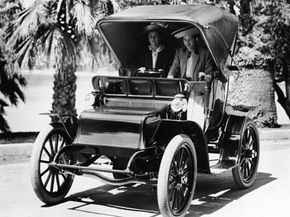
Зліт і падіння раннього домінування електромобілів
До 1900 року вулиці Нью-Йорка, Чикаго та Бостона розповідали іншу історію, ніж ті дороги, якими ми їздимо сьогодні. З 2370 автомобілів на цих дорогах 800 були повністю електричними. На бензинових двигунів припадало лише 400 одиниць. Решта 1170? На паровому ходу. Пара була знайома. Він був перевірений часом. Електричні автомобілі були чистими, тихими та напрочуд ефективними. Вони виглядали як кінні візки без коня. У 1899 році дванадцять виробників у США випускали їх. Вони ідеально підходили для міських таксі, де короткі дистанції та обмежений запас ходу відповідали міським поїздкам працювати.
Бензинові автомобілі були протилежністю. Вони були гучними. Вони мали поганий запах. Їх треба було заводити вручну за допомогою стартера. Цей процес був небезпечним. Переломи зап’ястя були звичайною справою. Ефективність палива була низькою. Тим не менш, ця гучність та сира міць стали екзотичною характеристикою. Неефективність було усунуто. Проблеми було вирішено. Швидкість та запас ходу стали ключовою відмінністю.
Чому перемогли автомобілі з двигуном внутрішнього згоряння
Електромобілі зіткнулися з величезною перешкодою. Їм були потрібні практичні, акумулятори, що перезаряджаються. Томас Едісон намагався вирішити це завдання. Винахідник та прихильник електромобілів витратив час на покращення технології. Він збільшив запас ходу до 100 миль. Але його батарея мала недоліки. Вона була важка. Вона легко ушкоджувалася. Вона була дорогою. Інші поліпшення спіткала та сама доля.
Генрі Форд представив Model T. Американські дороги стали кращими. Існував попит на автомобілі із великим запасом ходу. Двигун внутрішнього згоряння набирав обертів. Він перевершив електродвигун. Model T була надійною. Вона була недорогою. Вона давала людям те, що вони хотіли.
Хронологія електромобілів та майбутнє
Історія електромобіля не закінчилася межі 20-го століття. Прототипи з’явилися у 1960-х та 1970-х роках. Компанія General Motors випустила EV1. Він набув широкого розголосу в 1990-х роках. Документальний фільм 2006 року Хто вбив електромобіль? був присвячений йому. За ним пішов Toyota RAV4 EV. З’явився Tesla Roadster. Обидва привернули увагу. Висока вартість не дозволила вийти на масовий ринок.
Три найбільші американські автовиробники оголосили про плани випуску доступних електромобілів. Нова історія може розпочатися вже незабаром.
Як працюють електромобілі
Розуміння механіки допомагає пояснити ранні невдачі та сучасні успіхи. Ранні батареї не мали високої енергоємності. Сучасні літій-іонні акумулятори вирішують цю проблему. Ефективність двигуна залишається високою. Рекуперативне гальмування відновлює енергію.
Як працюють акумулятори електромобілів
Хімічний склад батарей зумовив ранню стагнацію галузі. Свинцево-кислотні акумулятори були важкими. Нікель-металгідридні батареї пропонували кращу щільність енергії, але залишалися дорогими. Літій-іонні технології здійснили революцію у цій сфері. Енергоємність на кілограм збільшилась. Тривога про запас ходу зменшилась.
Як працюють лабораторії з тестування електромобілів
Випробувальні центри підтверджують безпеку та продуктивність. Краш-тести моделюють справжні зіткнення. Системи терморегулювання запобігають перегріву. Оновлення програмного забезпечення збільшують ефективність з часом.
Як працюють комплекти для конверсії електромобілів
Ентузіасти переобладнують класичні автомобілі. Двигуни внутрішнього згоряння демонтуються. Встановлюються електродвигуни та акумуляторні блоки. Це зберігає вінтажний зовнішній вигляд. Це забезпечує найсучасніші характеристики. Це потребує значних механічних навичок.
5 способів покращення акумуляторних батарей гібридних автомобілів
- Осередки з вищою енергоємністю.
- Поліпшені системи терморегулювання.
- Хімічний склад із великою кількістю циклів заряду-розряду.
- Можливості швидшої зарядки.
- Зниження виробничих витрат.
Вікторина про електромобілі
Перевірте свої знання з ранньої історії автомобілебудування. Чи знаєте ви, що парові автомобілі були популярнішими за бензинові в деяких містах? Чи використовувалися ранні електромобілі в основному як таксі? Розуміння минулого пояснює поточний стан ринку.