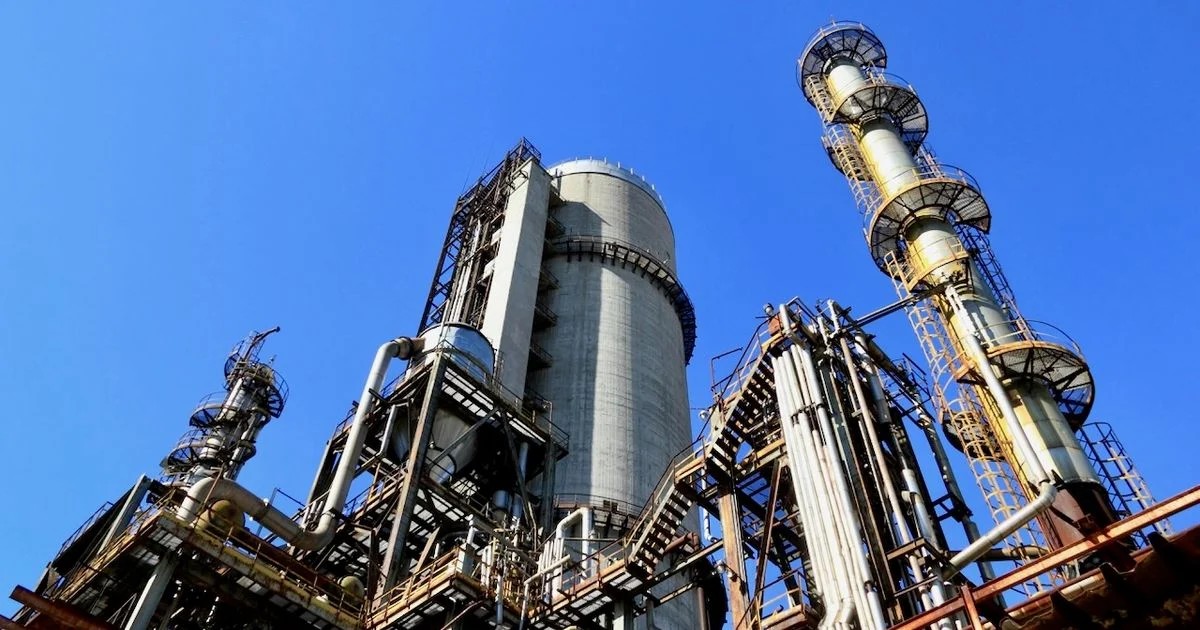
Australia’s remaining fuel supply is under pressure, and one of the country’s last two oil refineries will postpone essential maintenance work to help stabilize the market. Ampol, which operates the Lytton refinery in Brisbane, announced it will delay a six-week shutdown originally planned for June 2026, now scheduled for August of that year.
Why the Delay Matters
The decision comes amid widespread fuel shortages across the country, with hundreds of service stations reporting partial or complete stockouts. Prices have also surged, impacting motorists nationwide. By pushing back maintenance, Ampol aims to keep approximately 300 million liters of gasoline, diesel, and jet fuel available during a critical period. This is a short-term fix to a long-term problem: Australia’s declining refining capacity.
Refinery Decline and Government Response
Australia once had around eight oil refineries, but that number has dwindled to just two – Lytton (Ampol) and the Viva Energy facility in Geelong, Victoria – over the past two decades. The government recently loosened fuel standards, allowing the Lytton refinery to supply an additional 80 to 100 million liters monthly. This move reflects a broader recognition of the need to bolster domestic fuel production amid global supply chain volatility.
Industry Perspective
Ampol CEO Matt Halliday emphasized the “important role” of Australian refineries in ensuring fuel resilience. The company has kept the government informed about the maintenance schedule and is engaging in ongoing discussions about the future of refining in Australia.
The core issue is clear: Australia is increasingly reliant on imported fuel. This makes the country vulnerable to geopolitical disruptions and price spikes. While delaying maintenance offers temporary relief, it doesn’t address the underlying structural weaknesses in the domestic refining sector. The question remains whether Australia will invest in long-term solutions or continue to depend on external suppliers.