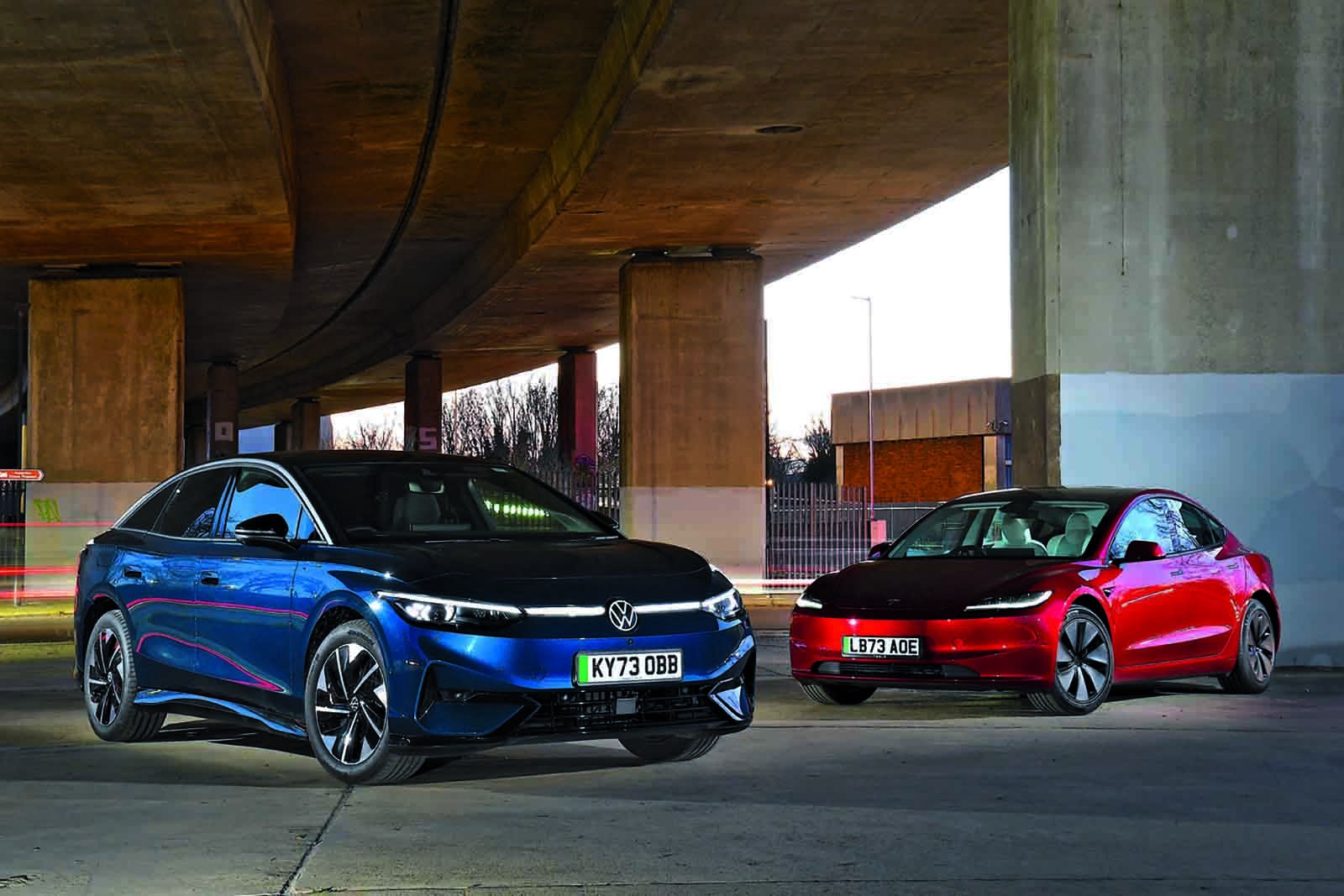
The UK’s vehicle rental sector is experiencing a surge in electric car leases, yet industry figures reveal that companies are bracing for significant financial losses in the coming year. Nearly half (47%) of all leased company cars are now electric, driven by tax incentives and a shift away from traditional purchasing models. However, this rapid transition is creating substantial challenges related to depreciation, maintenance, and market volatility.
Business vs. Personal Demand: A Growing Divide
The latest data from the British Vehicle Rental and Leasing Association (BVRLA) shows a clear divergence between business and personal leasing trends. Business contract hire (BCH) fleets have grown by 7.9% to over 936,000 vehicles, with electric models dominating at 47%. This growth is fueled by favorable benefit-in-kind (BIK) taxation, making EVs financially attractive for company drivers.
Conversely, personal contract hire (PCH) fleets have shrunk by 3.7% to around 237,000 vehicles as consumers hesitate amid uncertain economic conditions. A notable exception is the booming salary sacrifice market, which has more than doubled (up 123%) to nearly 209,000 vehicles.
Salary sacrifice allows employees to lease cars through their employer with significant tax advantages, especially for low-emission vehicles. This is driving EV adoption at an even faster pace, with 83% of these leases being electric.
The Financial Strain of Electric Transition
While the EV boom is undeniable, leasing companies are already facing “five-figure losses” on some electric models. The used EV market is sluggish, and aggressive discounting to meet government mandates is eroding residual values. The Society of Motor Manufacturers and Traders (SMMT) estimates discounts could average £11,000 per vehicle by 2025.
Furthermore, the emergence of new EV brands and the potential for some to exit the market add to the uncertainty. Concerns are also rising about the incoming pay-per-mile tax (eVED) on electric vehicles, which could further depress used car demand.
Maintenance Costs: A Hidden Challenge
Leasing companies report that despite generally reliable EV technology, maintenance-inclusive contracts are difficult to price accurately. EVs require more frequent (and expensive) tire replacements and higher recovery/repair costs if issues arise. The industry remains confident in battery durability for multiple leases, but these costs remain a significant concern.
Despite these challenges, the used car market within the BCH fleet is growing (up 290% year-on-year) as companies look to offset losses by selling off older vehicles, even in the face of aggressively priced new EVs.
The rapid shift to electric vehicles is reshaping the UK’s rental sector, creating both opportunities and substantial financial risks. Leasing companies must navigate a volatile market with declining residual values, rising maintenance costs, and uncertainty over long-term demand. The industry’s ability to adapt will determine its profitability in the years ahead.