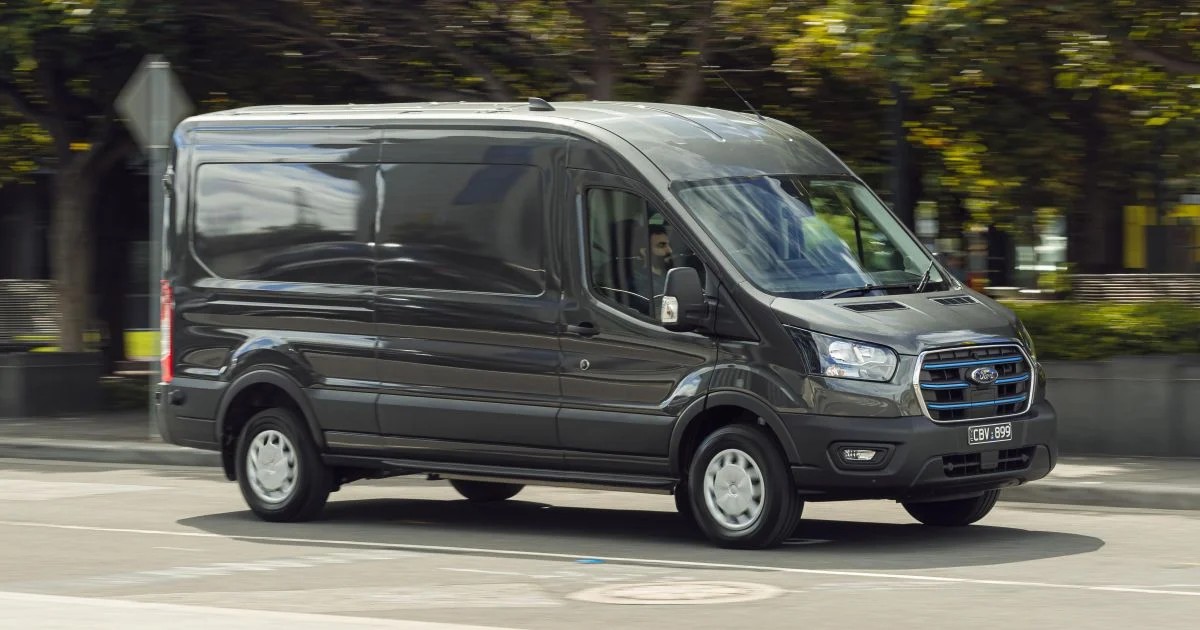
A manufacturing defect in the Ford E-Transit electric van could lead to unintended movement, even while parked, due to a potential failure of the parking brake. The recall affects 279 vehicles produced between 2021 and 2025, with the core issue being an improperly installed rear driveshaft.
The Problem Explained
The defect means that some E-Transit vans may experience a loss of power while driving or unexpectedly roll away if parked on an incline without the parking brake engaged. Ford’s official recall notice explicitly warns that this increases the risk of accidents, potentially leading to serious injury or death for occupants and other road users.
“A loss of power whilst driving and/or unintended vehicle movement could increase the risk of an accident causing serious injury or death to vehicle occupants and/or other road users.”
What Owners Need To Do
Ford will directly contact owners of affected vehicles via mail, instructing them to schedule a free repair at their local dealership. Alternatively, owners can reach out through their preferred Ford dealer or call 13 36 73 for more information. The Vehicle Identification Number (VIN) list for affected vans is available through official recall documentation.
Recent Recall History and Broader Trends
This is not the first recall for the E-Transit. In late 2025, Ford recalled 278 units for a 12-volt battery issue that could release toxic gases into the cabin. Earlier in 2025, nearly 30,000 Ford vehicles across multiple models (including the diesel Transit, Transit Custom, Ranger, Everest, Mustang, F-150, and Mustang Mach-E) were recalled due to a faulty reversing camera.
Notably, Ford issued over 110,000 vehicle recalls in Australia during 2025—significantly exceeding any other automaker. This suggests a pattern of quality control issues or aggressive recall management to ensure safety standards are met.
The E-Transit recalls, alongside the broader trend of high recall numbers from Ford, raise concerns about the reliability of newer electric vehicle designs and the challenges of scaling up manufacturing processes for complex systems. These issues highlight the importance of robust testing and quality assurance in the transition to electric mobility.
Affected owners should prioritize checking if their vehicle is included in the recall and scheduling a repair promptly to mitigate the safety risk.