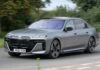
Porsche’s sales in China plummeted by 26% last year, falling from 56,887 to 41,938 units – a decline forcing dealership closures across the country. While the German brand maintains a loyal customer base, the emergence of domestic competitors offering visually similar vehicles at significantly lower prices is reshaping the luxury EV market. This trend is exemplified by the new Aistaland GT7, an all-electric estate that borrows heavily from Porsche’s Taycan Sport Turismo design language.
The Rise of Porsche-Inspired EVs
The GT7, developed by Aistaland – a joint venture backed by tech giant Huawei and automaker GAC – is the latest in a growing line of Chinese EVs that mimic the aesthetic of the Taycan. Other examples include the SAIC Z7 and the upcoming MG 07, all adopting Porsche-like styling cues. The common use of the number ‘7’ in model names (SU7, GT7) among these vehicles suggests a deliberate branding strategy to evoke the Porsche connection.
Technical Specifications and Performance
The GT7 measures 198.9 inches long, 77.9 inches wide, and 57.9 inches tall, with a 118.1-inch wheelbase. It utilizes an advanced 800-volt electrical architecture and will offer configurations with up to three electric motors (one front, two rear). While official power figures remain undisclosed, the GT7 is expected to deliver performance in line with competitors like the Xiaomi SU7, which ranges from 664 hp to 1,527 hp in its top trim. The GT7’s range remains unconfirmed at this time.
Design and Market Implications
The GT7’s exterior design closely mirrors the Porsche Taycan, featuring teardrop-shaped headlights, a sleek black grille, and matching door handle placement. The rear end incorporates a full-width LED light bar reminiscent of the Taycan, enhanced with Tesla Model Y-inspired cut-outs that create a futuristic visual effect.
This trend highlights a significant shift in the automotive landscape. Chinese consumers are increasingly drawn to familiar designs at competitive prices, eroding Porsche’s dominance in the luxury EV segment. The GT7’s success will depend on its pricing and performance relative to established rivals, but its existence underscores the growing capabilities of Chinese automakers and the evolving preferences of their domestic market.
The ability of Chinese brands to quickly replicate popular designs and offer them at lower costs poses a serious challenge to traditional luxury automakers. This is not merely about imitation; it’s a demonstration of China’s rapidly advancing automotive engineering and manufacturing capabilities.