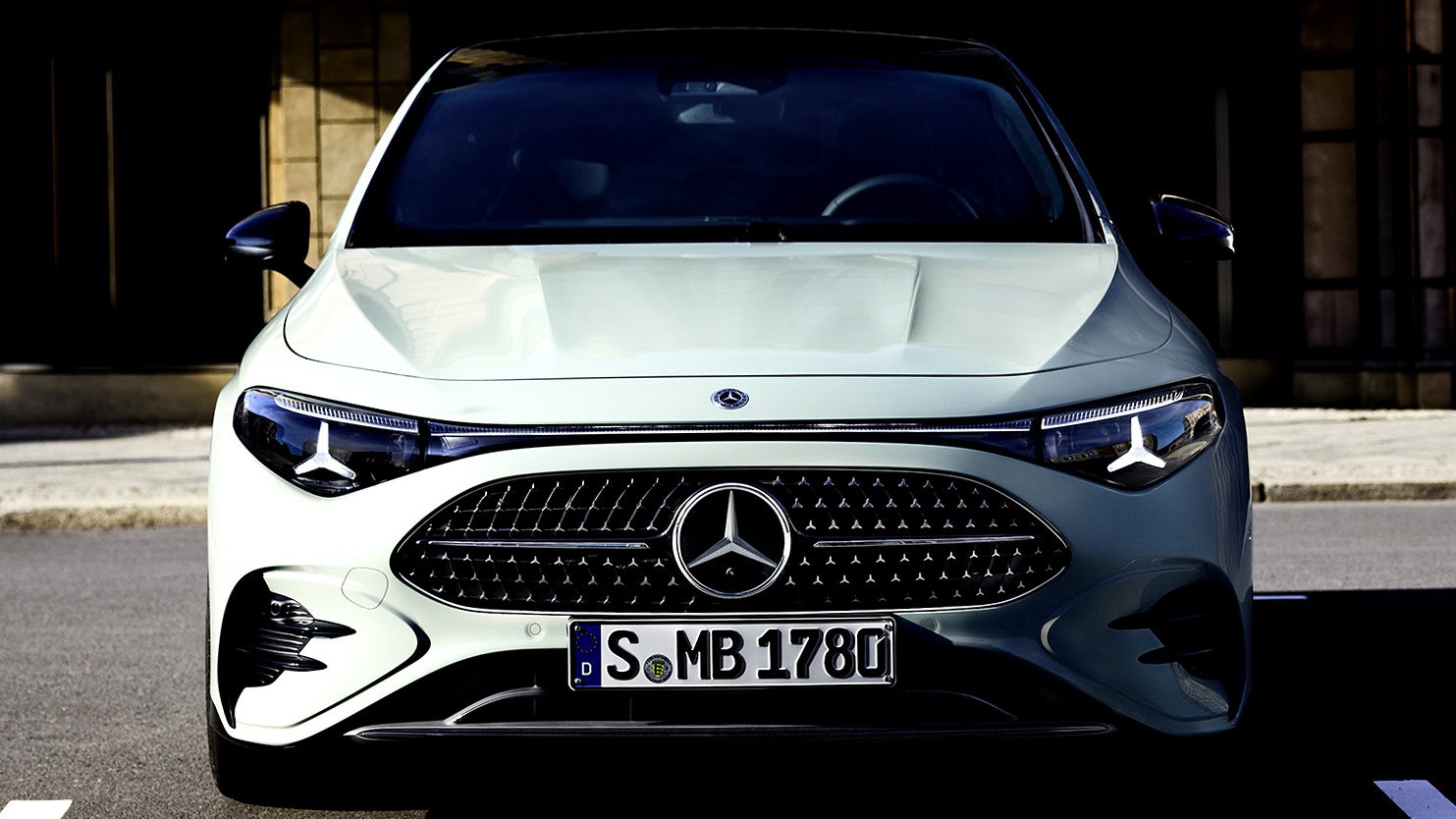
Mercedes-Benz has launched a new hybrid model, the CLA 220, that relies on an engine co-developed and manufactured in China. This marks a shift in sourcing for the German automaker, raising questions about supply chains, efficiency, and the future of automotive production.
Under the Hood: A Chinese-German Collaboration ⚙️
The CLA 220 features a 1.5-liter turbocharged four-cylinder engine with a high compression ratio of 12:1. While Mercedes claims development credit, the engine is a joint effort with Geely, built entirely in China before being integrated into Mercedes vehicles. This isn’t just design collaboration; the entire production process takes place in China, then components are shipped to Mercedes for final assembly.
The engine utilizes advanced technology like the Miller cycle combustion process, an all-aluminum crankcase, and Nanoslide cylinder liners to maximize efficiency and durability. Mercedes also added extra sound insulation to dampen noise, ensuring a premium driving experience despite the foreign engine.
Hybrid Performance: Power and Efficiency ⚡
The 1.5-liter engine works in tandem with an electric motor integrated into the eight-speed dual-clutch transmission, powered by a 1.3 kWh 48-volt lithium-ion battery. The hybrid system allows for electric-only driving at speeds up to 60 mph (96 km/h) and energy recuperation during braking.
The CLA 220 delivers 208 hp and 280 lb-ft of torque, achieving 0-60 mph in 7.1 seconds with a top speed of 130 mph (209 km/h). The vehicle weighs approximately 3,594 lbs (1,630 kg).
Interior Updates: Subtle Refinements 🛋️
Inside, the CLA 220 comes standard with a panoramic glass roof. Optional upgrades include Mercedes-Benz’s Superscreen, featuring a 10.25-inch display, a 14-inch infotainment screen, and a 14-inch front passenger display.
More notably, the steering wheel has been updated with physical controls for cruise control and volume, replacing touch-sensitive buttons. This change responds to consumer feedback on usability.
The Bigger Picture: Global Supply Chains 🌍
Mercedes’ decision to use a Chinese-made engine highlights the increasing reliance on global supply chains in the automotive industry. While cost savings and efficiency gains are evident, the move raises questions about quality control, geopolitical risks, and the future of manufacturing.
The shift to Chinese engines represents a pragmatic but potentially controversial step for Mercedes-Benz, blending German engineering with cost-effective manufacturing.
This strategy could become more widespread as automakers seek to streamline production and reduce expenses. The CLA 220 serves as an early example of this trend.