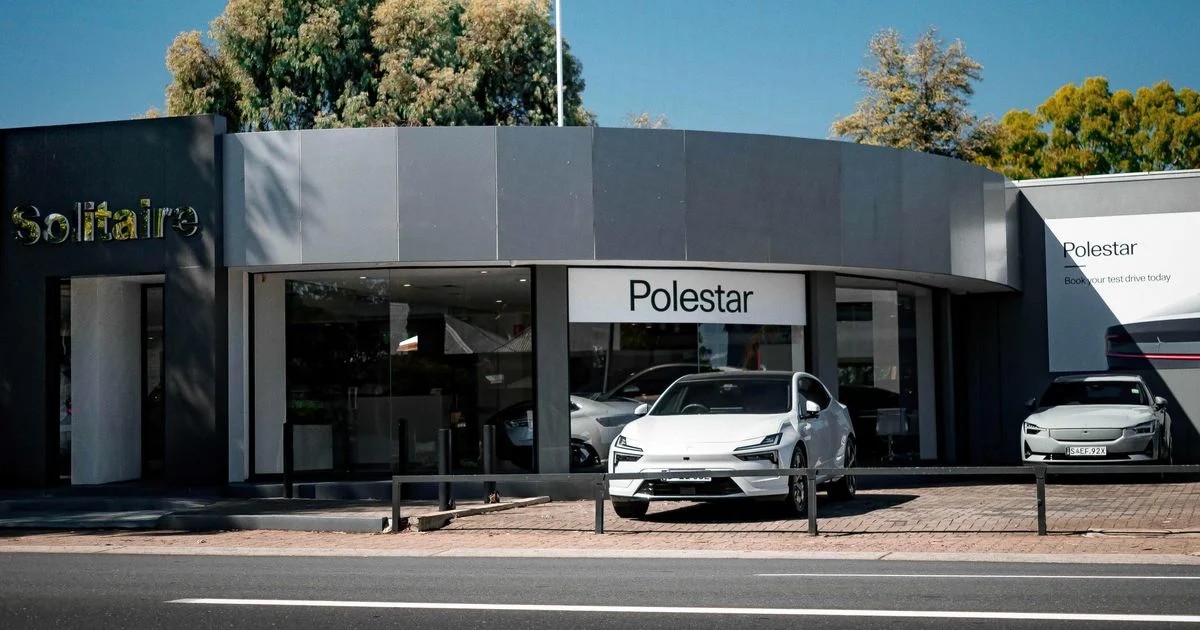
Polestar Australia has reaffirmed its decision to remain independent of the Federal Chamber of Automotive Industries (FCAI), citing the organization’s resistance to electric vehicle (EV) policies as the primary reason. This move follows an earlier departure in 2024, triggered by the FCAI’s criticism of Australia’s new Vehicle Efficiency Standard (NVES), designed to lower emissions from new vehicles.
The FCAI has voiced concerns that the NVES could stifle EV adoption and potentially increase emissions while driving up costs for consumers. The chamber argues that overly strict standards might limit vehicle choices and affordability for Australian buyers.
Polestar Australia’s managing director, Scott Maynard, stated that the FCAI must demonstrate genuine support for EVs and shift its tone regarding government emissions regulations before the brand will consider rejoining. He emphasizes that the FCAI currently represents legacy automakers who rely on traditional, high-emission vehicles, rather than progressive EV brands like Polestar.
The core issue is representation : The FCAI’s membership heavily relies on funding from established car manufacturers, creating a conflict of interest when advocating for policies that accelerate the transition to electric vehicles. Maynard views the FCAI’s resistance as a strategy to protect these legacy brands, who have historically benefited from Australia’s lax emission standards.
Polestar highlights its commitment to transparency, publishing complete carbon emissions data for its vehicles, including manufacturing and operational impacts. This contrasts with the FCAI’s perceived reluctance to fully embrace EV adoption. The NVES requires automakers to meet tightening fleet-wide emission targets by 2029 or face penalties. The FCAI claims these costs will inevitably be passed on to consumers, potentially encouraging them to keep older, higher-emission vehicles on the road longer.
Maynard dismisses these claims as “blatant scaremongering,” suggesting legacy brands are resisting change because Australia has been a profitable market for outdated technology. He argues that many established automakers could reduce emissions but lack the incentive until stricter regulations force their hand.
Despite Polestar’s relatively small market share in Australia (2,373 units sold in 2023 compared to Tesla’s 28,856), Maynard predicts the FCAI will eventually adapt as EV demand grows. He believes that the inevitable shift towards electric vehicles will force the industry group to align with changing market realities.
“The industry will evolve, and they will have to evolve with it,” says Maynard. “They’re a step behind at the moment, and certainly way behind us.”
The long-term implications of this standoff are clear: Polestar is positioning itself as a leader in EV advocacy, while the FCAI risks alienating forward-thinking brands and consumers as the automotive landscape rapidly electrifies.