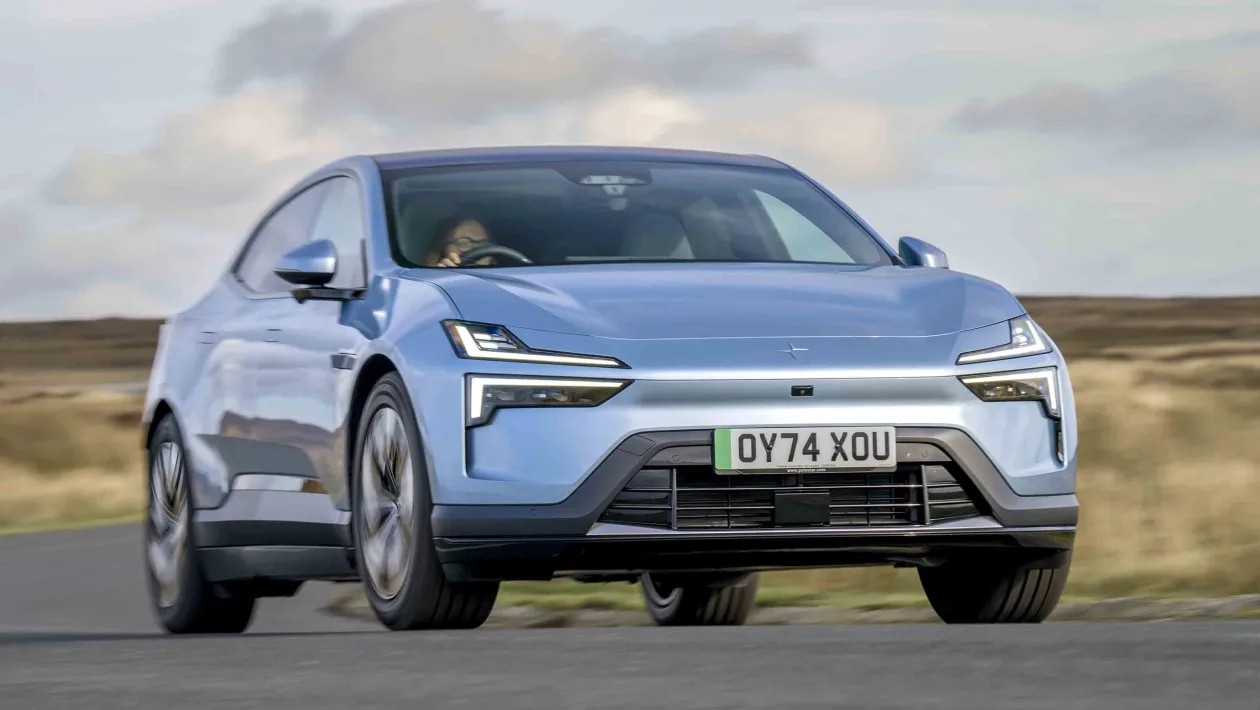
Polestar, the Swedish electric vehicle (EV) brand, is doubling down on its commitment to a fully electric lineup, betting that demand from younger, environmentally conscious consumers will drive growth even as overall EV adoption lags. CEO Michael Loscheller recently stated the firm will not deviate from its all-electric strategy, believing a hybrid or internal combustion engine (ICE) vehicle would alienate its core audience.
The Appeal to a Science-Driven Generation
According to Loscheller, Polestar’s customers – averaging 45 years old, a decade younger than the industry average – “believe in science” and see climate change as a pressing issue. This demographic expects brands to align with sustainability, making a sudden shift to gas-powered vehicles unthinkable.
“If we said we were doing an ICE vehicle, they would be like ‘what?’… For us, it’s a good opportunity because we are so focused; we will not do a hybrid.” – Michael Loscheller
This customer loyalty allows Polestar to focus exclusively on battery electric vehicles (BEVs) without the distraction of legacy technology. The company frames this as simplifying the future of mobility, advocating for zero-emission transportation as the only viable path forward.
Expanding the Portfolio Without Diluting Focus
Polestar is expanding its EV portfolio with several new models:
- Polestar 5: A grand tourer launching this summer.
- Polestar 4 (estate version): Coming late this year.
- All-new Polestar 2: Due in 2027.
- Polestar 7: A small SUV slated for 2028.
These additions will cover 57% of the EV market, with the company deliberately avoiding expansion into the remaining segments. Loscheller confirmed no plans to develop models beyond the Polestar 7.
Sustainability as a Key Differentiator
Polestar emphasizes sustainability as a core pillar alongside performance and design. The company publishes a detailed 165-page sustainability report, openly disclosing CO2 emissions, gender pay gaps, and material traceability – something few automakers currently do.
This transparency resonates with younger buyers who prioritize ethical consumption. Polestar believes its commitment to sustainability is a major competitive advantage, setting it apart from competitors who are slow to adopt similar practices.
Polestar’s decision to remain fully electric is a calculated risk. By catering to a growing segment of environmentally conscious consumers, the company aims to capitalize on long-term EV growth while maintaining a distinct brand identity. If consumer demand for EVs continues to rise, Polestar’s strategy may prove prescient.