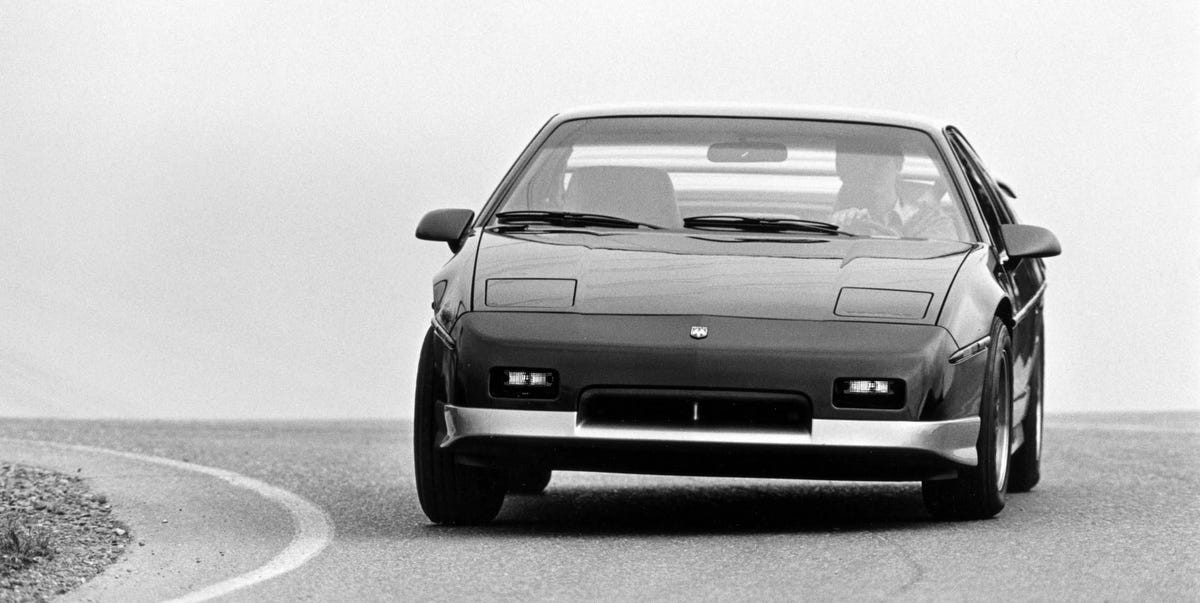
The 1986 Pontiac Fiero GT embodies a classic automotive dilemma: a car that prioritizes aesthetics over performance. Despite its striking design and growing appeal, the Fiero remained mechanically flawed, held back by corporate cost-cutting and a lack of commitment to enthusiast-level improvements. This review from Car and Driver highlights how GM prioritized sales over delivering the truly engaging sports car the Fiero initially promised.
The Allure of a Pretty Face
The Fiero’s appeal was undeniable. By 1986, Pontiac had refined its looks, culminating in a sleek, modern design that drew comparisons to exotic European sports cars. The rear-end redesign was a significant visual upgrade, lowering drag and giving the car a more aggressive stance. However, this cosmetic focus masked deeper issues. The Fiero’s exterior promised a performance experience it couldn’t deliver.
The Fiero’s design was a deliberate attempt to attract buyers based on looks, even if the underlying mechanics were mediocre. GM knew that a striking appearance could offset shortcomings, especially given the car’s broad appeal—including a significant female buyer base who, according to Pontiac’s marketing manager William Heugh, “don’t really care about handling.”
Mechanical Shortcomings and Corporate Constraints
Beneath the attractive shell lay a chassis plagued by compromises. The steering was heavy and numb, the handling was unremarkable, and the suspension was far from ideal. These flaws stemmed from GM’s deliberate decision to keep production costs low. The Fiero used cheap components—suspension parts from the Chevrolet Chevette and the X-car’s mid-engine setup—with little incentive for upgrades.
GM’s financial structure further exacerbated the problem. Every car line had a strict return-on-investment target, and high-dollar improvements that didn’t guarantee increased sales were deemed unnecessary. The company prioritized profit margins over engineering excellence, leaving the Fiero stuck with subpar components for years.
A Missed Opportunity: The Future Delayed
Despite engineers recognizing the need for improvements from the start, upgrades were slow to materialize. A five-speed Getrag gearbox was delayed due to quality issues, and a completely revamped suspension wouldn’t arrive until 1988—five years after the car’s debut. This slow pace frustrated those who wanted a genuinely competitive sports car.
The Fiero’s story is a case study in how corporate accounting can stifle innovation. While Ford was willing to prioritize building great cars, GM’s Fiero team was constrained by financial realities. The accountants controlled the pace of development, ensuring that no expensive improvements would be made unless they directly translated into higher profits.
A Compromised Experience
The driving experience reflected these compromises. The Fiero GT wasn’t terrible, but it was far from the exhilarating sports car it could have been. The steering lacked feel, the handling was unpredictable, and the chassis felt loose when pushed. The car’s performance was adequate, but not inspiring.
Compared to competitors like the Toyota MR2, the Fiero felt sluggish and unrefined. The MR2 offered superior agility, precision, and driver comfort—qualities the Fiero lacked. While the Fiero had a strong engine and a comfortable interior, its mechanical shortcomings undermined its potential.
Conclusion
The 1986 Pontiac Fiero GT was a reminder that looks aren’t everything. Despite its striking design and strong sales, the car remained a compromised product, held back by corporate constraints and a lack of engineering investment. GM’s decision to prioritize profit over performance ensured that the Fiero never reached its full potential, leaving enthusiasts with a beautiful but ultimately unfulfilled promise.