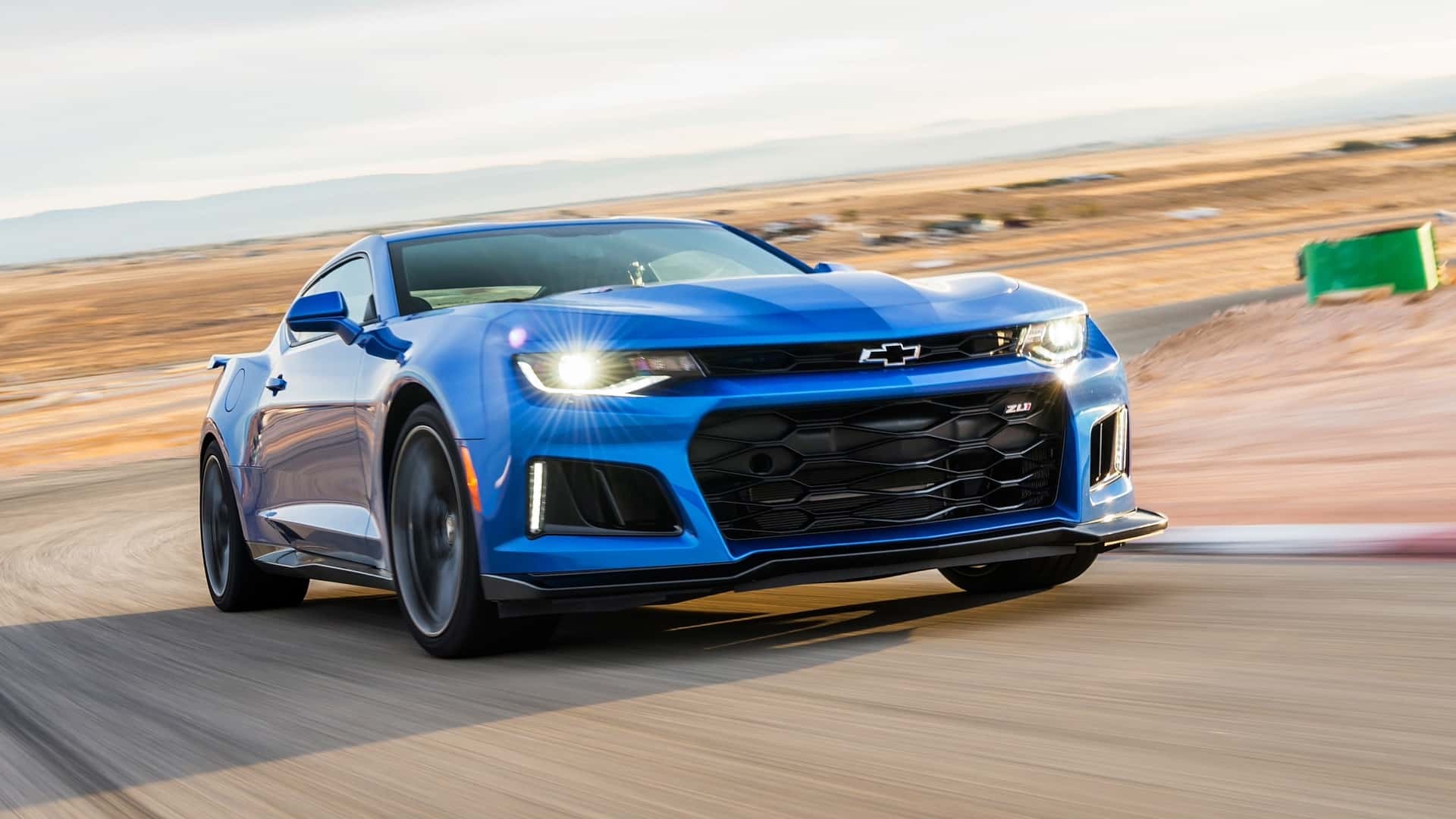
The automotive world is buzzing with news that could change the landscape of the American muscle car market. Recent reports suggest that General Motors (GM) is planning a comeback for its legendary sports car, the Chevrolet Camaro, with a seventh-generation model slated for production in late 2027.
A Shared Foundation for Survival
The most significant detail regarding this potential revival is how GM intends to make it financially viable. According to a source at a major GM supplier cited by Automotive News, the new Camaro will not be a standalone project. Instead, it is expected to share a common architecture with the next-generation Cadillac CT5.
This “platform sharing” strategy is crucial for modern automakers. Developing a high-performance sports car is incredibly expensive; by using the same underlying hardware for multiple models, GM can spread the massive research and development costs across several different brands.
The report suggests this architecture will support a diverse lineup:
– The Chevrolet Camaro: A high-performance sports car.
– The Cadillac CT5: A premium luxury sedan.
– A new Buick sedan: This would mark a significant shift for Buick, which has moved away from the sedan body style in recent years.
Production Targets and Logistics
The scale of this project appears substantial. The source indicates that GM aims to produce between 60,000 and 70,000 units of the CT5 and Camaro combined.
From a manufacturing standpoint, this move makes strategic sense. GM currently produces the Cadillac CT4 and CT5 at the Grand River Assembly plant in Lansing, Michigan. With production for the smaller CT4 expected to wind down in June, the plant requires a high-volume replacement to remain efficient. Integrating a new Camaro and a new Buick sedan into this ecosystem would keep the facility running at optimal capacity.
Why This Matters: The Economic Challenge of Sports Cars
To understand why the Camaro’s disappearance in 2023 was so impactful, one must look at the shifting trends in the auto industry. For the last decade, consumer preference has moved aggressively toward SUVs and crossovers, leaving traditional two-door sports cars in a difficult market position.
Earlier reports in 2025 suggested that GM had considered shelving a seventh-generation Camaro due to a “weak business case”—essentially, the car simply wasn’t expected to sell enough units to justify its cost.
However, the new reports suggest GM has found a way to solve this math problem. By bundling the Camaro into a broader platform that includes luxury Cadillacs and mainstream Buicks, the “business case” becomes much stronger. The Camaro no longer has to carry its own weight; it can ride on the success of the more traditional, high-volume sedans.
The Bottom Line: If these reports hold true, the Camaro’s return isn’t just about nostalgia—it is a calculated move to keep American muscle alive through shared technology and multi-brand efficiency.
Summary: Reports indicate that a seventh-generation Chevrolet Camaro is planned for a 2027 launch, utilizing a shared platform with the next-generation Cadillac CT5 to ensure economic viability. This strategic move could bring back the iconic muscle car by spreading development costs across several different vehicle models.