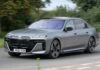
The era of front-wheel-drive compact BMWs? Not over. Not quite. But something is changing.
Rear-wheel drive returns to the brand’s entry-level segment. Finally.
BMW’s next 1 Series won’t be your average grocery getter. It goes electric. And yes, the power hits the rear wheels. A return to form, of sorts, albeit without a gas engine in sight.
Don’t worry. The combustion engine isn’t dead yet. Not here, anyway. BMW plans to keep selling a gasoline-powered 1 Series for years to come. Two versions. Two drivetrains. Coexisting in the same showroom.
The Split Personality
It’s a weird time for the German luxury automaker. For a decade, purists screamed as BMW shifted its compact lineup to front-wheel drive. The 3 Series, the 1 Series—most lost that legendary rear-bias handling.
Now they’re bringing it back. Sort of.
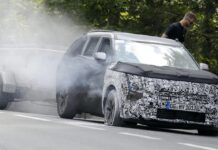
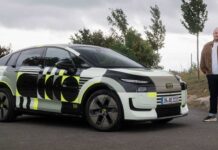
The new EV, tentatively called the i1, rides on a dedicated electric platform. It replaces the spiritual predecessor to the i3. It’s the gateway drug to BMW’s electric future. Expect it by the end of the decade, likely 2028. Fashionably late, maybe. Audi is dropping its electric A2 this year. Mercedes is working on something too. BMW doesn’t care.
Why bother? The market still wants it. Nearly 200,000 units sold last year alone. Globally. The SUV obsession hasn’t killed the hatchback.
The “Power of Choice” isn’t just a slogan anymore; it’s a survival strategy.
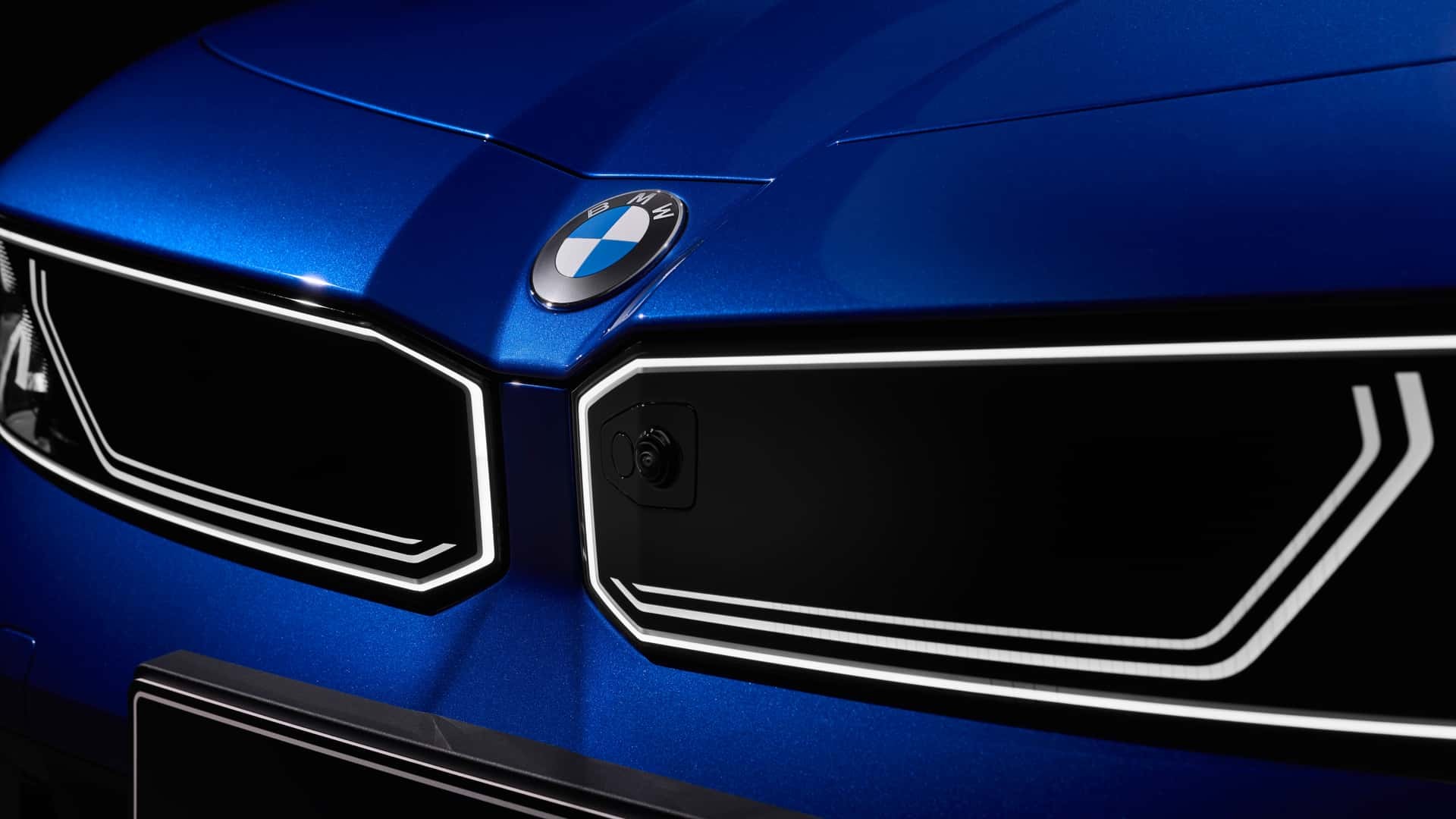
The gasoline model stays put. It sits on the updated front-wheel-drive architecture. But don’t think it’s an afterthought. BMW is shoving the new Neue Klasse design language into its face too. Big screen. Head-up display. It will look the part. Just drive different.
This dual-track approach isn’t new to BMW. Watch the upcoming 3 Series. There’s a gas version and an EV version (the i3 ). Same styling. Same interior tech. Different bones under the skin. Even the wagons will match up visually while hiding distinct engineering philosophies beneath the sheet metal.
Why Both?
Most manufacturers picked a lane. Tesla chose electric. Most others picked ICE first and EV later, often struggling with the pivot. BMW decided to drive down two highways simultaneously.
It’s risky. Logistics become a nightmare. Managing parts for five generations of drivetrain philosophy is hell on earth.
But customers like options.
Do you want to fill up with gas or charge overnight? You decide. The badge is the same.
If you buy the gas 1 Series, you’re not getting second-rate technology. You’re getting the current flagship design language. If you buy the i1, you’re getting RWD dynamics and electrification. No one gets left holding the bag.
This makes sense in a way the rest of the industry ignored. Rushing into an all-electric basket was a mistake some admitted later. Too fast. Too early. The infrastructure wasn’t there. The buyers weren’t ready. BMW held the line on combustion engines while slowly, methodically building its EV range.
The i1 arrives in 2028. A sedan version probably follows close behind. And maybe, just maybe, a rear-drive 2 Series Gran Coupe EV companion.
The lineup stretches from the tiny hatchback all the way to the limousine-sized 7 Series and i7. It’s crowded. It’s complex.
And it works for them. For now. The question remains whether keeping both feet in the fire is a smart move or a logistical trap waiting to snap shut. We’ll see. The road is long. The engines are quiet.