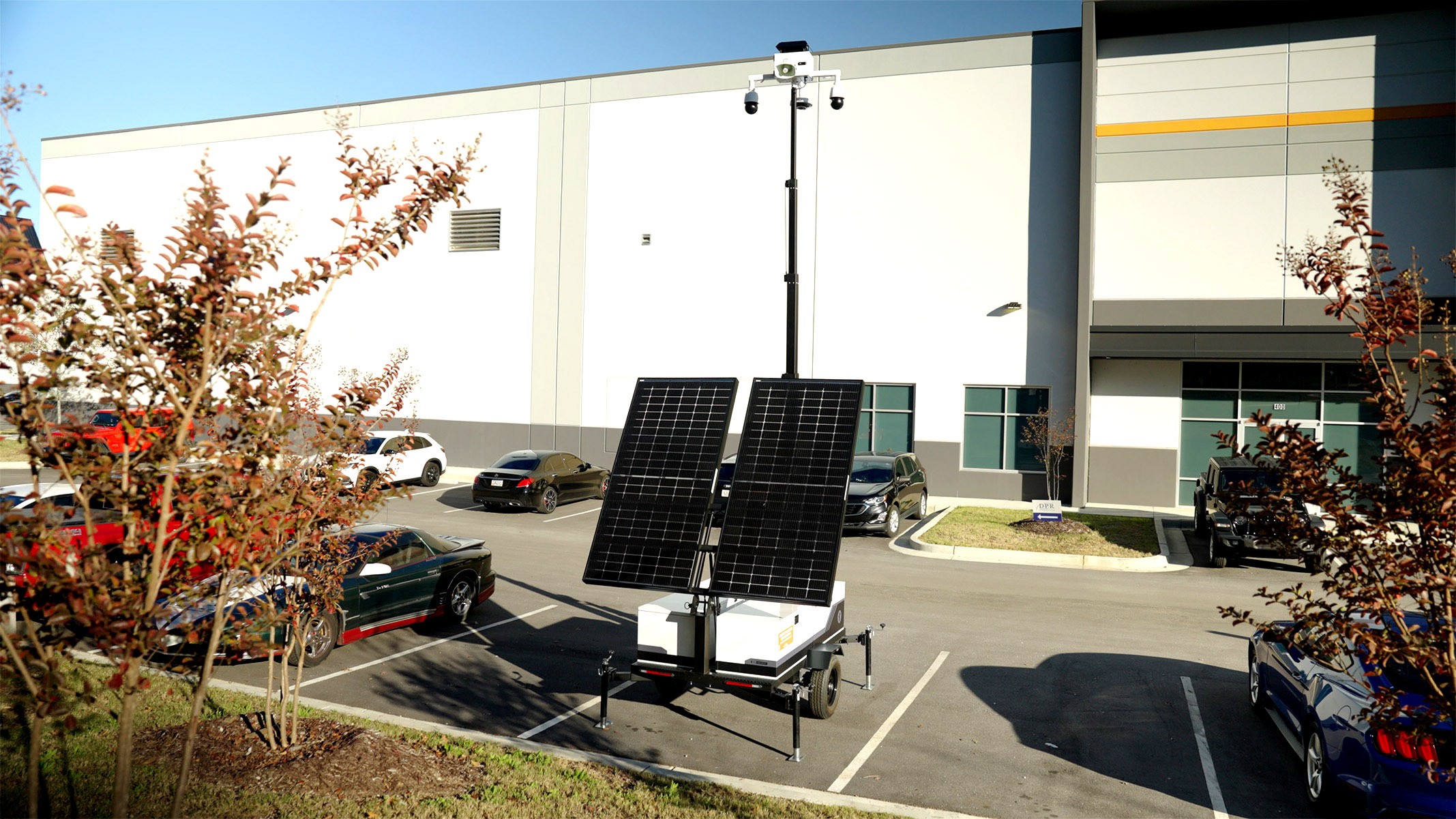
The installation of an automated license plate reader (ALPR) near a Walmart parking lot might seem like a mundane security upgrade, but it signals a significant shift in how personal data is collected in public spaces. While law enforcement agencies often frame these devices as essential tools for locating missing persons or recovering stolen vehicles, the real story is not about a single camera—it is about the quiet, unregulated expansion of mass surveillance by private corporations.
The Private Sector’s Growing Footprint
In recent years, major retailers have begun deploying the same sophisticated ALPR technology used by police departments. According to reports from CT Insider, this surveillance infrastructure is already active in parking lots at several Lowe’s and Home Depot locations in Connecticut. In some instances, local police departments have been granted direct access to this private data, effectively merging corporate surveillance with law enforcement capabilities.
The critical difference between government and private use is transparency.
- Public Agencies: Police departments generally operate under public policies that dictate how ALPR data is stored, shared, and accessed. While adherence to these rules varies by jurisdiction, the frameworks exist and are subject to public records requests.
- Private Companies: Retailers are not bound by the same public accountability measures. Consumers often have no idea how long their vehicle information is retained, who can search the database, or whether the data is sold or shared with third parties.
“I don’t think we really have a good sense in the public as how private companies that have the technology are using the data, how long they are retaining it, how they are sharing it,” said Ken Barone, manager of the University of Connecticut’s Racial Profiling Prohibition Project. “I think it’s entirely a black box.”
A System with a History of Misuse
The lack of oversight in the private sector is particularly concerning given the documented history of ALPR misuse within law enforcement. Investigations in recent years have revealed instances of improper database access, unauthorized searches, and the use of nationwide plate-reader networks for purposes that critics argue exceed their original intent. If these issues persist in government agencies with established (if imperfect) rules, the potential for abuse in unregulated corporate databases is significant.
The Business Case vs. Public Privacy
Retailers defend the use of ALPR systems as a legitimate business necessity. They argue that the technology helps combat organized retail theft, recovers stolen vehicles, and enhances overall customer safety. Law enforcement agencies similarly credit these systems with speeding up criminal investigations compared to traditional methods.
However, the rapid proliferation of this technology outpaces regulatory oversight. Cameras that were once confined to highways and toll booths are now ubiquitous in shopping centers, apartment complexes, and grocery stores. For the average driver, this means their movements are being tracked far more frequently than they realize, often without their knowledge or consent.
Conclusion
The expansion of license plate readers from police stations to retail parking lots represents a major erosion of privacy in everyday life. Without clear regulations governing how private companies collect, store, and share this data, consumers are left vulnerable to a surveillance network that operates in the shadows.