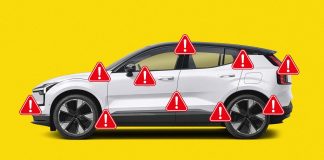
Rivian’s upcoming R2 electric vehicle appears to retain a dangerous flaw present in its earlier models: unnecessarily complex emergency door release mechanisms. Despite increasing scrutiny of automakers over safety features, the R2’s design forces rear passengers to fumble with a hidden cable and plastic panel in an emergency – a solution that remains deeply problematic.
The Problem With Modern Door Handles
Modern cars, particularly electric vehicles, are moving away from traditional mechanical door handles in favor of electronic systems. While sleek, these systems introduce a single point of failure. If the electronics malfunction, passengers can become trapped. This is not a hypothetical risk: several high-profile incidents involving Tesla vehicles have highlighted the danger.
The core issue is accessibility. Emergency releases should be intuitive and immediate, not requiring passengers to locate hidden panels or pull cables during a panic.
Rivian’s Flawed Solution
The front-row emergency release in the R2 is a small plastic handle under a storage compartment – better than nothing, but still less obvious than a traditional mechanical lever. However, the rear doors require passengers to remove a plastic cover and pull a cord, identical to the R1T and R1S.
“If you have to give your backseat passengers a tutorial on something as basic as opening the doors in an emergency, the design isn’t clever, it’s flawed.”
This design raises serious questions about Rivian’s priorities. Was this a cost-cutting measure, reusing existing components? Or simply an oversight? Regardless, it introduces unnecessary complexity into a life-or-death situation.
Why This Matters
The issue extends beyond Rivian. Tesla has faced similar criticism, and even Ford’s Mustang Mach-E had early problems with its door latches. The trend is clear: automakers are prioritizing aesthetics and technology over basic safety principles.
This is why China has already banned pop-out door handles for all EVs starting in 2027. The decision reflects a growing recognition that these designs pose an unacceptable risk to passengers. The US and other markets may follow suit as incidents continue to occur.
Will Rivian Fix It?
While some reports suggested Rivian was reworking the emergency releases, early looks at the R2 suggest no significant improvements. The company may still change the design before production, but as of now, the R2 maintains a dangerous flaw that could cost lives.
The bottom line: Automakers must prioritize simple, reliable safety features over unnecessary complexity. In an emergency, seconds count, and passengers shouldn’t have to consult an owner’s manual to escape their vehicle.