Luxury automakers Rolls-Royce, Lamborghini, and Bentley are adjusting their electric vehicle (EV) strategies, delaying full-electric transitions as consumer demand lags behind earlier projections. The shift reflects a growing trend: the high-end automotive market isn’t electrifying as quickly as anticipated.
Rolls-Royce Extends V12 Lifespan
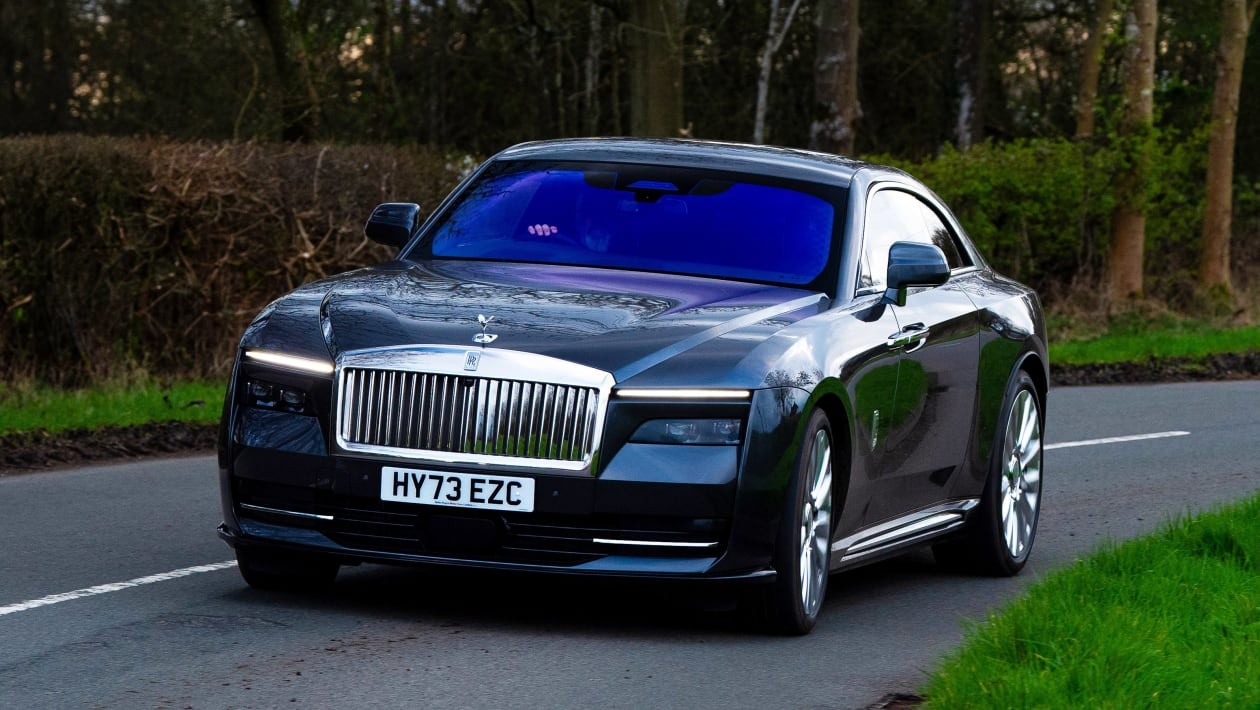
Rolls-Royce, which announced its first EV—the Spectre—in 2021 with a goal of an all-electric lineup by 2030, has put those plans on hold. The company will continue producing its iconic 6.75-liter V12 engine beyond the initially set deadline. While Rolls-Royce remains confident in its electric powertrain, the current market reality doesn’t support a rapid shift.
The Spectre will remain in production, serving as a key test case to gauge future EV demand within the luxury segment. No new transition date has been set.
Lamborghini and Bentley Follow Suit
Lamborghini recently described demand for electric versions of its supercars as “very limited” and will focus on hybrid-petrol engines for the near future. Bentley has also revised its EV targets, effectively restarting its planning beyond the upcoming Urban SUV—its entry-level electric model.
These changes follow a pattern among high-end brands; Porsche has similarly scaled back its EV ambitions in recent weeks.
Why This Matters
The slowdown in EV adoption at the luxury level suggests that early projections overestimated the speed at which affluent buyers would switch to battery-powered vehicles. This may be due to concerns about range, charging infrastructure, or a simple preference for traditional combustion engines.
The decision by these brands to prioritize hybrid options or extend the lifespan of existing engines highlights a pragmatic approach to market conditions. The industry’s original timelines assumed faster technological advancements and more aggressive consumer behavior. These revisions indicate that luxury consumers aren’t yet ready to abandon high-performance internal combustion engines entirely.
The future of electric vehicles in the luxury segment remains uncertain, with these automakers adopting a more cautious and data-driven approach.