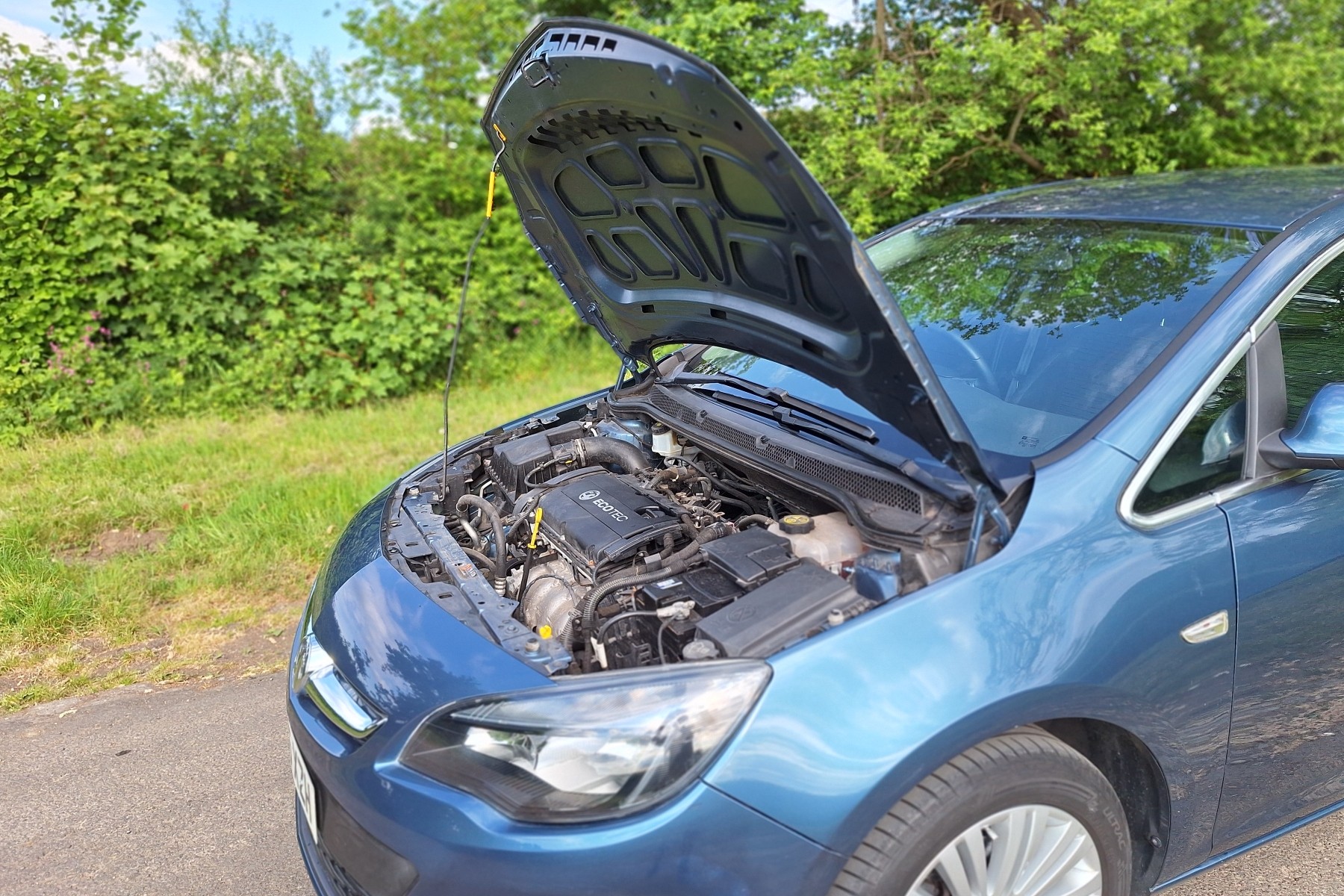
37°C isn’t just uncomfortable for humans. It’s torture for mechanical components. Last year, when it got hot, breakdowns spiked by 20%. The RAC tracked it. Overheated engines, dead batteries, and blown tires led the charge. It won’t be better this year. Temperatures are climbing. Experts from Vertu say five areas of your car will fail first. Fix them or don’t drive.
1. Coolant: The First Line of Defense
Engine overheating happens fast. Especially in traffic. Or on long motorway stretches where you have nowhere to pull over. A low cooling system lets temperatures spike. And when the head gasket blows, you’re looking at a repair bill over £1,000. Maybe more if the engine itself goes.
Check your coolant every two weeks. But only when the engine is stone cold. The reservoir has markers. Minimum. Maximum. If you’re below the minimum, top it up. Use a 50/50 mixed antifreeze and water solution. Topping it up every day? That’s a leak. Go to a mechanic. Don’t ignore it.
2. Batteries Hate Heat Too
We think batteries die in the frost. Wrong. Summer heat destroys them. Irreversibly. The chemicals react faster in the warm. Electrolyte evaporates. Corrosion builds inside. For every 8°C above 25°C, a lead-acid battery’s life cuts in half. In the UK, batteries die around the 3.2-year mark on average.
Is your battery over three years old? Test it. Before the sun beats down. Look for swelling. White or green crust on the terminals. A sluggish crank. Short trips kill batteries. Under 20 minutes doesn’t give the alternator time to recharge. Drive it hard once a week. Thirty minutes straight. At least.
3. Tyres Are Pressure Cookers
Physics doesn’t care about comfort. For every 10°C jump in temp, pressure goes up by 1 to 2 psi. Road surfaces can hit 50°C on hot days. Rubber expands. If there’s a crack, a bulge, or hidden damage, the pressure pushes it until it gives way. A blowout at speed is terrifying. The Dft recorded 190 deaths or serious injuries from tyre issues in 2023. That’s a 29% jump.
Check pressure when the tires are cold. Before you start driving. Or two hours after you’ve parked. Don’t guess. Check the sticker on the driver’s door jamb or the manual. Run your hand over the sidewalls. Feel for soft spots. Cracks. Things embedded in the rubber. Over five years old? Have them inspected professionally. Tread depth doesn’t matter as much as the internal integrity then.
4. Brake Fluid Boils
Brake fluid drinks moisture from the air. Hygroscopic is the fancy word. Two percent water contamination drops the boiling point by roughly 37°C. Drive downhill in July. Hit the brakes for a minute. The fluid boils. Steam bubbles form in the lines. Your pedal turns to rubber. Stopping power vanishes. It is scary.
Check the level under the bonnet. Clear light amber fluid is good. Dark? Discoloured? That means it’s saturated with moisture and old. Manufacturers suggest changing it every two years. Does your pedal feel soft? Take longer to stop? Smell something burning? Stop. Book an inspection. Immediately.
5. Air Conditioning Needs Love
It’s easy to ignore AC in October. But refrigerant leaks out. Slowly. 10% to 15% a year. If you haven’t regassed it in two years, the system struggles. The compressor works overtime. Fuel economy drops. Industry data for 2025 predicts a 25% rise AC warranty claims compared to 2024. Repairs are 55% more expensive.
Turn it on for ten minutes a week. Even in winter. It keeps the seals lubricated. Prevents leaks. If the vents blow warm air, get a regas. It’s a small fix. Usually £50 to £100. Cheaper than a new compressor.
Who knows if the grid will handle it? Or your engine. But your car might.