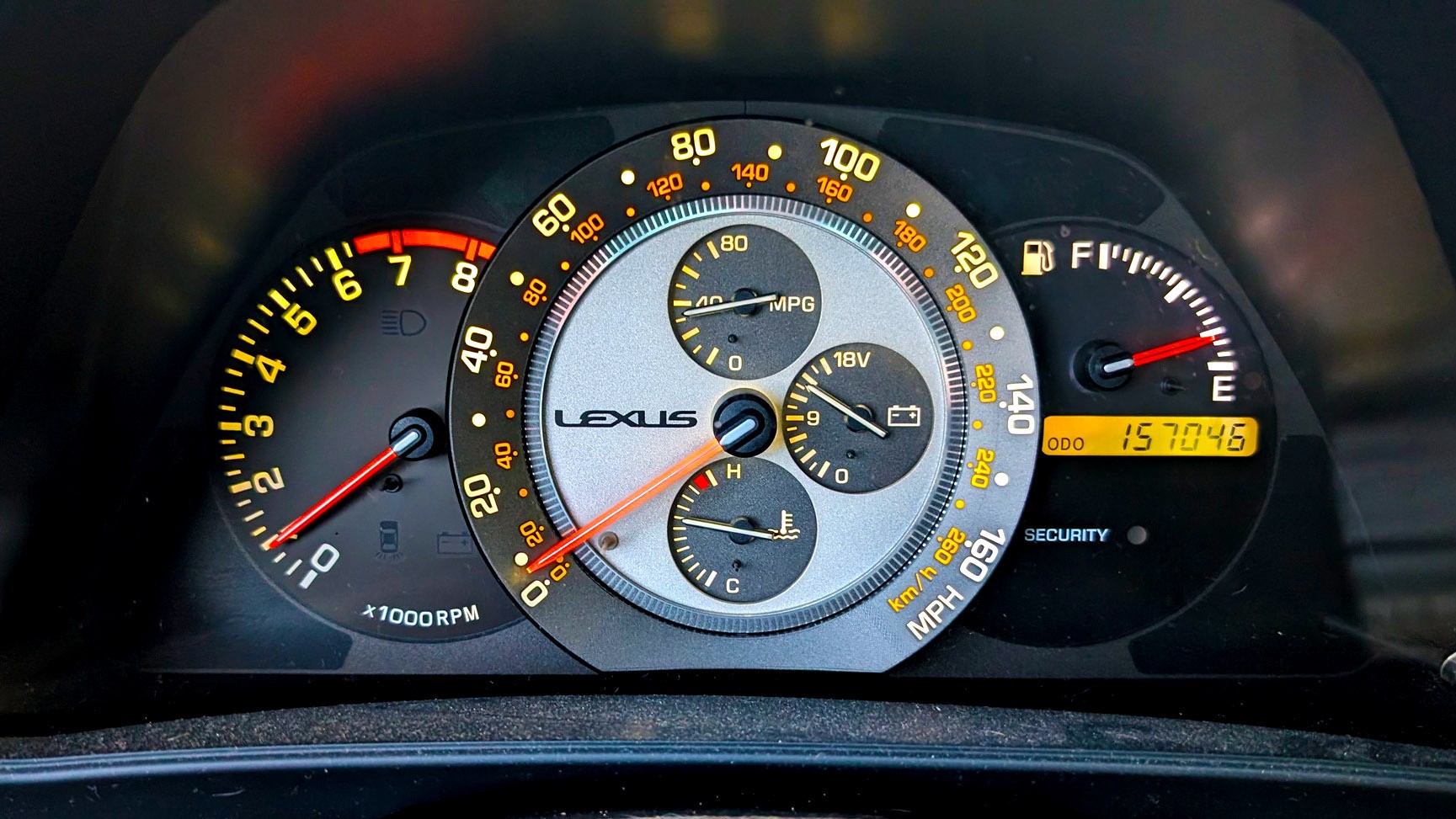
Buying used is weird. Uncomfortable even. You’re guessing at a history that might not exist. Records vanish. Sellers squirm. Maybe the car was pampered. Maybe it was driven through hell while the dashboard lied. In Canada, twenty thousand owners last year fell for the second scenario. A big, bold, digital lie.
The Numbers Don’t Lie About The Lying
Carfax found them. Two thousand six hundred and forty-two vehicles flagged for suspected rollback in 2024 data. That number is just the tip of the iceberg. Most scams slip by the radar. The real figure? Much higher. Scarily higher.
Why so many now? Mechanics aren’t needed. Not anymore. Old-school tampering required wrenches and guts. Digital? That requires software. And tools for it? Cheap. Accessible. Regulators are noticing. The scam has gone mainstream because it got easier to execute.
Think about that.
A lie is harder to catch when the meter itself is complicit.
It’s not just about resale value. That’s the shallow worry. The deep one? The engine doesn’t care about what the screen says. Wear and tear happen on reality. Hidden miles mean skipped maintenance. Suddenly, you’re not buying a car, you’re signing up for an around-the-clock mechanic project.
More Tricks, Less Trust
Rolling back miles is just one bad apple. Carfax and industry councils see other rot too. VIN cloning. Title washing. Cars with blood on their hands hidden by fresh paper. Then there’s the money. Carfax saw forty percent of lien checks showing outstanding debt. You buy the car. You drive off. Then the bank comes for the metal. Or you.
Is there safety here? Sort of.
- NICB VINCheck helps spot theft.
- NHTSA’s decoder verifies the number.
- Google. Yes, just type the VIN into the search bar. Old auction photos pop up. Damage history resurfaces.
It’s a patchwork quilt. Not a shield. A mechanic with a flashlight will see more than your screen. But these little steps? They expose the flags. The ones the sellers pray you’ll ignore.
Don’t wrap this up pretty. The used car market is built on information gaps. You fill some. The scammer fills the rest. Good luck guessing which one holds more weight when the check engine light turns on.
Photos: Stephen Rivers