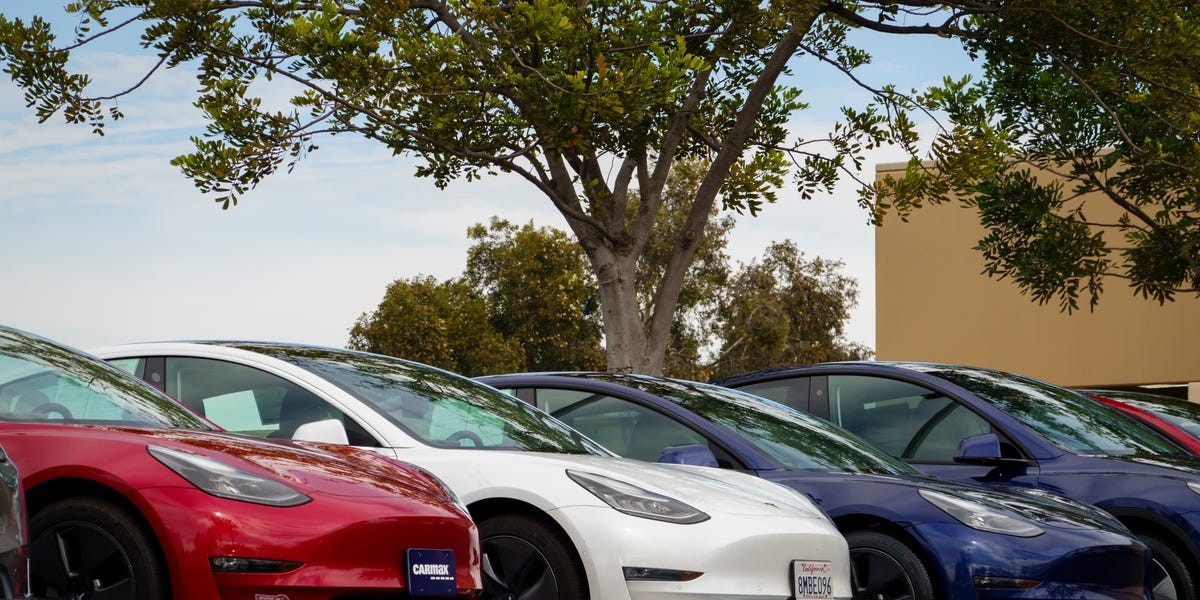
The used electric vehicle (EV) market is rapidly expanding, offering a smart entry point for those curious about going electric or seeking a more affordable option. Buying used lets you experience the benefits of an EV—lower running costs, reduced emissions—without the full price tag of a new model. Here’s what to consider when shopping for a pre-owned EV, and why it’s becoming an increasingly attractive choice.
Why Choose a Used EV?
The primary reason is simple: price. Like any vehicle, used EVs depreciate, making them significantly cheaper than new ones. This depreciation is accelerated by factors like government incentives that lower the initial cost for the first owner.
Beyond price, many EVs are leased rather than purchased, meaning you can find well-maintained models with low mileage—often under 30,000 miles for three-year-old vehicles. This is particularly true because EVs aren’t always driven long distances; many owners use them as a secondary vehicle or decide the electric lifestyle isn’t for them. Their loss is your gain.
The financial advantage doesn’t stop at the purchase price. EVs generally require less maintenance than gasoline cars, with no oil changes and potentially lower repair costs. Charging at off-peak hours can also save you money on electricity, and many manufacturers offer long battery warranties for added peace of mind.
Assessing Battery Health: The Most Important Step
The biggest concern with a used EV is the battery. Battery capacity degrades over time, affecting range. Here’s how to evaluate it:
- Check the Estimated Range: Fully charge the vehicle and compare the displayed range to the EPA rating. A 10–20% difference is acceptable; larger discrepancies suggest significant degradation.
- Professional Diagnostic: For a definitive assessment, have a mechanic test the battery’s health using specialized equipment. This can reveal issues with individual cells or overall capacity loss. While it costs money, it’s a worthwhile investment.
- Warranty Coverage: Most EV batteries are covered for eight years or 100,000 miles, so a newer used EV may still have substantial warranty protection.
- Recurrent Auto: Check websites like Recurrent Auto for model-specific battery degradation data. This provides a baseline for what to expect.
Understanding Depreciation in the EV Market
EVs tend to depreciate faster than traditional vehicles due to evolving technology and incentives. Automakers frequently update batteries, motors, and charging systems annually, making older models feel outdated quickly. Initial buyers often received perks like charging credits or installation assistance, further influencing resale value.
These factors mean you can often find a well-equipped used EV for less than its original price, even after factoring in incentives.
Certified Pre-Owned vs. Private Sales
- Certified Pre-Owned (CPO): CPO programs offer extended warranties and condition inspections, providing extra security. Programs vary by manufacturer, so research carefully.
- Private Sales: Buying from an individual can offer better deals and direct insight into the vehicle’s history. Ask questions about usage patterns to get a realistic assessment.
Available Incentives for Used EVs
Don’t forget to check for government and state incentives for used EVs. The IRS offers a federal credit, and many states have additional programs. These incentives can further lower the purchase price.
Financing and Insurance Considerations
Financing is straightforward; standard auto loans apply. However, insurance rates for EVs tend to be higher due to repair costs and expensive battery replacements. Get quotes before purchasing to avoid surprises.
Conclusion:
Buying a used EV requires a little more homework than a gas car—specifically assessing battery health. But the potential savings, combined with ongoing incentives and lower running costs, make it an increasingly compelling option. With careful research and a bit of patience, you can enter the electric age without breaking the bank.