The automotive world thrives on competition, but some clashes transcend mere business and become legendary feuds that push innovation and captivate fans. These rivalries, often fueled by motorsport, force manufacturers to constantly outperform each other, ultimately benefiting drivers and enthusiasts. Here’s a look at some of the most iconic conflicts in automotive history.
Ford vs Ferrari: A Vengeful Pursuit
In 1963, Henry Ford II nearly acquired Ferrari, but Enzo Ferrari abruptly withdrew from the deal, unwilling to cede control of his racing division. This sparked a bitter rivalry. Ford, fueled by personal animosity, vowed to beat Ferrari at its own game: the 24 Hours of Le Mans.
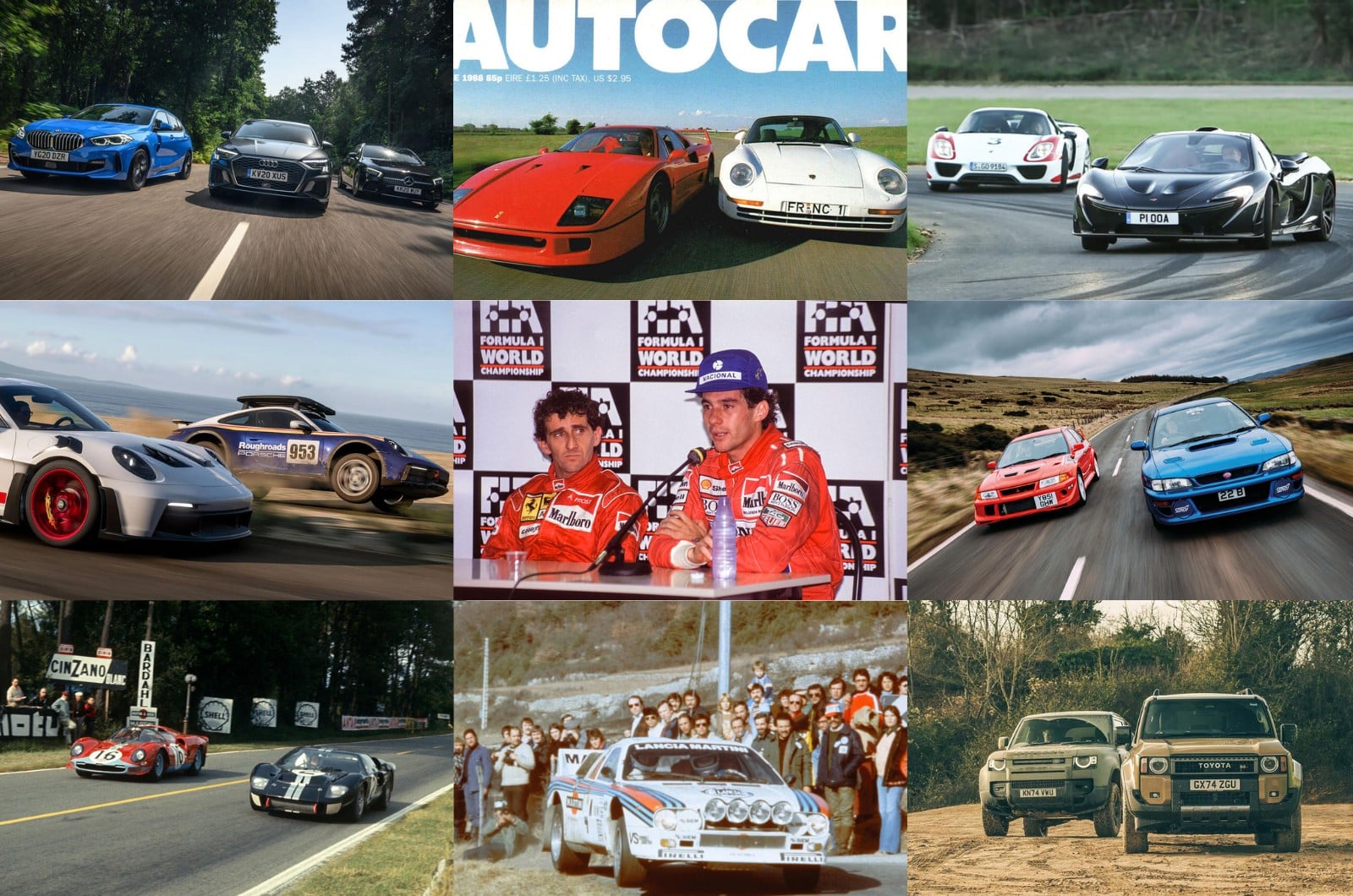
The result was the Ford GT40, developed with Carroll Shelby’s expertise. Between 1966 and 1969, the GT40 achieved an unprecedented four consecutive victories at Le Mans, humiliating Ferrari and cementing Ford’s dominance. The story’s dramatic intensity has since inspired Hollywood adaptations, demonstrating its enduring appeal.
The Hypercar Holy Trinity: P1 vs 918 vs LaFerrari
The early 2010s saw the emergence of the “Hypercar Holy Trinity”: the McLaren P1, Porsche 918 Spyder, and Ferrari LaFerrari. These three manufacturers engaged in a fierce battle to create the ultimate hybrid hypercar, pushing the boundaries of performance and technology.
Each car combined a powerful internal combustion engine with groundbreaking hybrid systems, technologies that now define modern hypercars. The competition wasn’t just about speed; it was about shaping the future of automotive engineering. The debate over which car reigns supreme continues to this day, highlighting the rivalry’s lasting impact.
James Hunt vs Niki Lauda: A Clash of Personalities
Beyond the machines, rivalries between drivers often prove just as captivating. The 1976 Formula 1 season saw Niki Lauda and James Hunt engage in a legendary battle, fueled by their contrasting personalities. Lauda was calculating and methodical, while Hunt was charismatic and reckless.
Their rivalry reached its peak when Lauda suffered a near-fatal crash at the Nordschleife. Despite horrific injuries, he returned to racing just weeks later, demonstrating extraordinary resilience. The championship came down to the final race at Fuji, where Lauda retired in the rain, handing Hunt the title by a single point – a scenario fit for a blockbuster movie, which it eventually became with the film Rush.
These rivalries aren’t just about winning; they’re about pushing boundaries, inspiring innovation, and creating unforgettable moments in automotive history. The spirit of competition ensures that manufacturers and drivers alike will continue to strive for greatness, driving the industry forward.