Volkswagen has issued a stark warning: the era of affordable, small gasoline-powered cars in Europe is rapidly coming to an end. The shift isn’t a matter of if, but when, as tightening emissions regulations and the rising viability of electric vehicles (EVs) make internal combustion engine (ICE) models unsustainable. This transition is driven by the EU’s aggressive push toward decarbonization, with fleet emissions targets demanding a 90% reduction by 2030 compared to 2021 levels.
The Inevitable Electric Transition
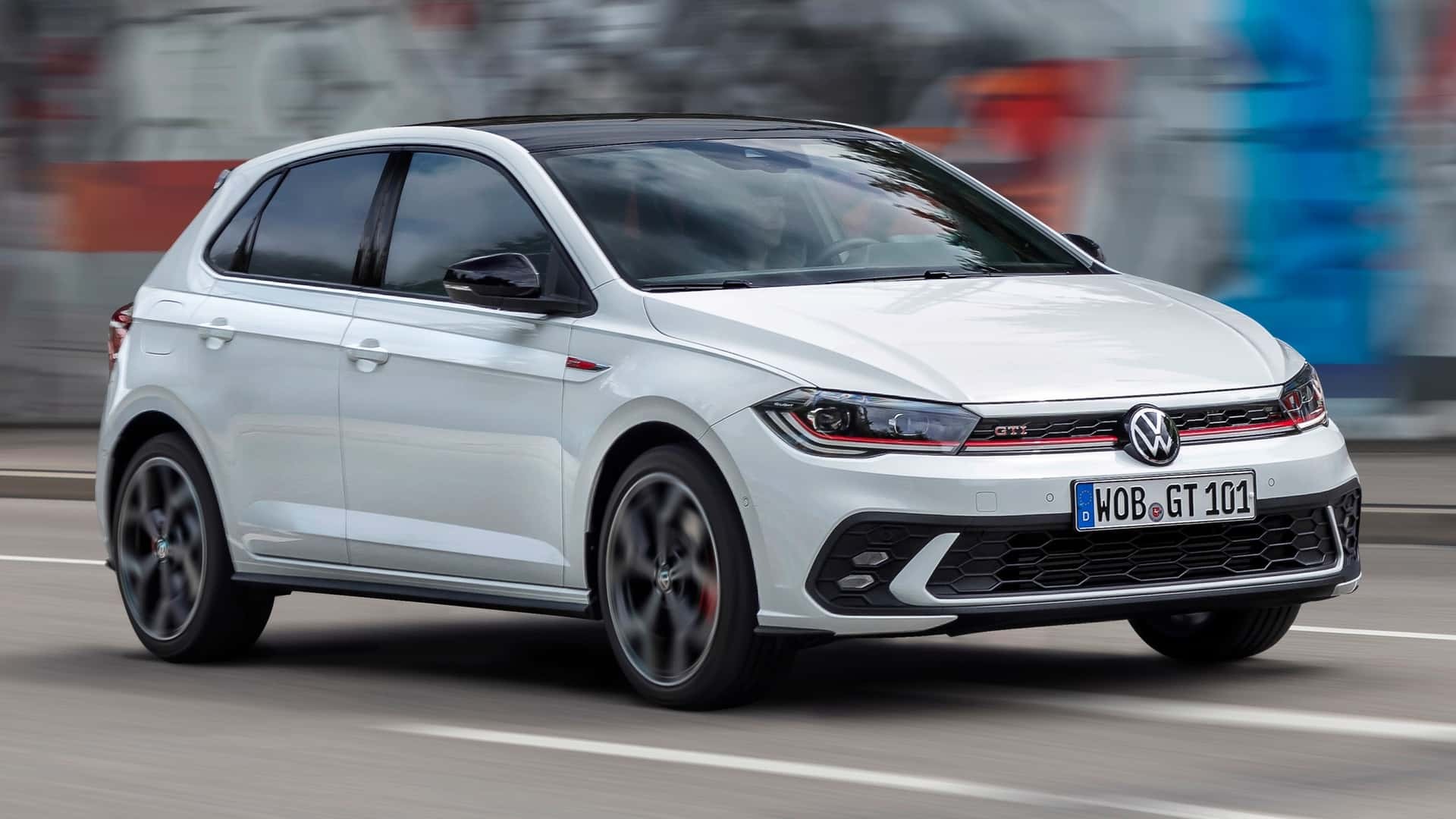
The CEO of Volkswagen, Thomas Schäfer, bluntly stated that models like the Polo will go fully electric. Developing new ICE cars for the B-segment (small cars) is simply too expensive to comply with the upcoming regulations. The costs would inevitably be passed on to consumers, making them uncompetitive.
The company is already preparing for this future with the ID. Polo, which will serve as the electric successor to the gasoline-powered Polo. Additionally, Volkswagen is planning an affordable electric crossover, previewed as the ID. Cross concept. Both models will utilize the MEB+ platform, designed exclusively for EVs.
Pricing and Timeline
The upcoming electric Polo will start at around €25,000. By 2027, the ID. Every1 concept is projected to lower the entry price to just €20,000—figures that don’t yet include available EU incentives. While Volkswagen won’t immediately discontinue existing ICE models, they will run alongside EVs for an unspecified time before being phased out. The current Polo and T-Cross will remain in production for now.
Market Context and EV Growth
Despite claims of slowing EV demand, sales in Europe tell a different story. Through October 2025, EVs accounted for 16.4% of the EU market, up from 13.2% the previous year. Including non-EU countries, this share rises to 18.3%. Volkswagen leads EU sales with over 1.2 million vehicles sold, solidifying its position as the dominant automaker.
The transition to EVs is not just an environmental imperative; it’s now a financially logical one for Volkswagen and, increasingly, for consumers.
Volkswagen’s new, more affordable EVs are expected to accelerate this trend further. The company’s decisive move reflects a broader industry shift toward electrification, driven by both regulation and economic reality. The future of small cars in Europe is electric, and Volkswagen is leading the charge.