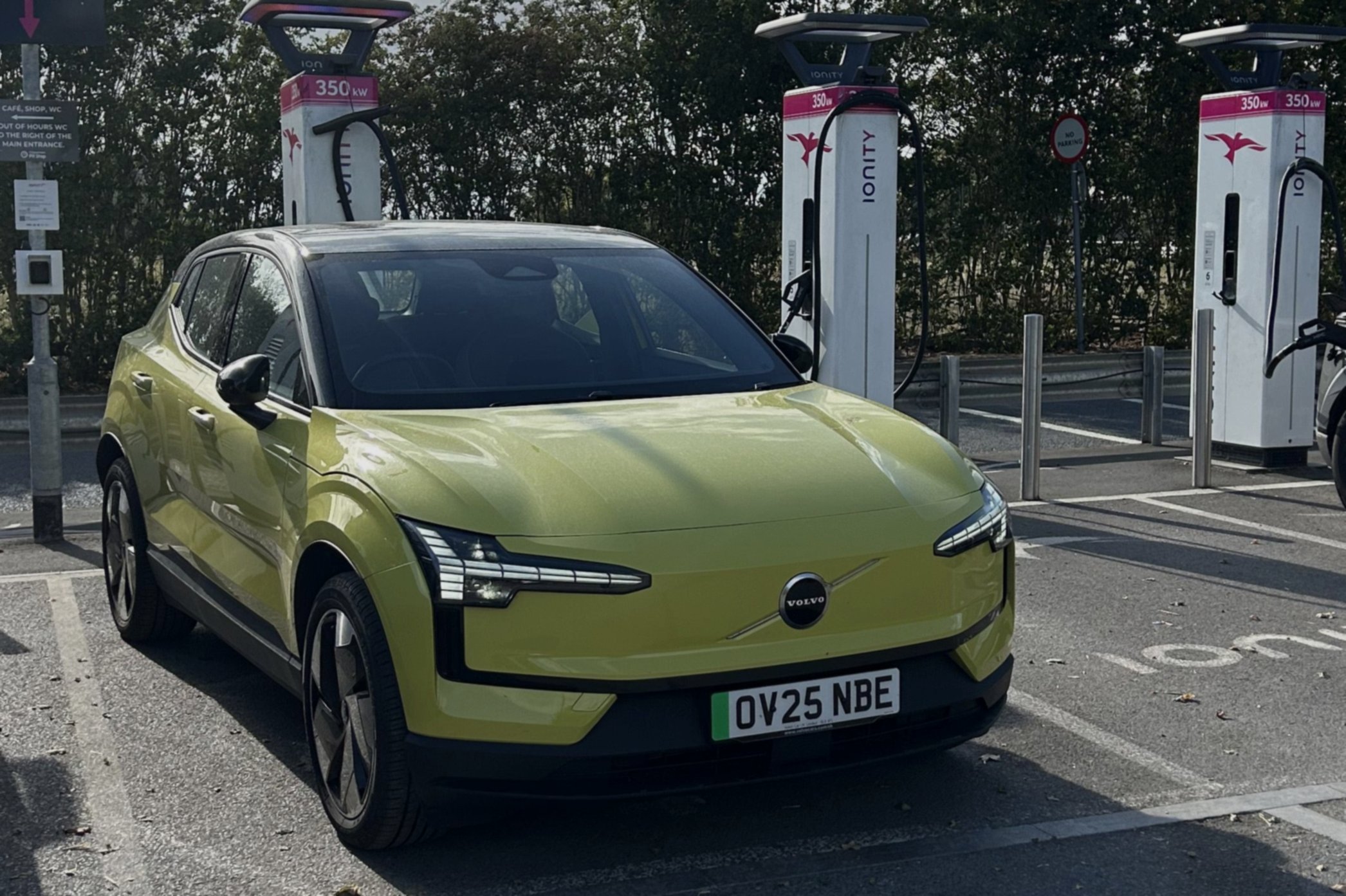
Volvo has issued a warning to owners of specific EX30 electric vehicle models regarding a potential battery fire hazard. The issue affects long-range versions of the car – specifically the Single Motor Extended Range and Twin Motor Performance – and requires owners to take immediate precautions when charging.
The Problem: Overheating Battery Cells
The risk stems from overheating within the 69kWh nickel-manganese-cobalt battery packs used in these EX30 variants. If individual battery cells overheat, they can trigger a fire that spreads rapidly throughout the entire pack, potentially igniting the vehicle. This is not a theoretical risk; Volvo has confirmed seven incidents out of 33,777 affected vehicles (roughly 0.02%) have experienced this issue. Fortunately, no injuries have been reported to date.
Urgent Charging Restrictions
To mitigate the fire risk, Volvo, in consultation with the Driver and Vehicle Standards Agency (DVSA), advises owners not to leave their EX30s unattended while charging indoors or in covered parking areas. More importantly, the brand is recommending owners limit their maximum charge level to 70%. The company states that the probability of overheating is “significantly reduced” at this level.
This restriction can be set easily through the car’s touchscreen infotainment system. The EX30 will also display a warning – “Danger! Battery overheating. Stop safely now and exit car.” – if cells begin to overheat during charging.
Why This Matters: EV Safety and Transparency
This situation highlights a critical challenge facing the electric vehicle industry: battery safety. While EV fires are rare compared to gasoline car fires, they can be much more difficult to extinguish and pose significant risks. Volvo’s proactive response – including acknowledging the issue, issuing clear guidance to owners, and preparing for a recall – sets a positive example of transparency.
The DVSA investigation is ongoing, with a permanent fix under development. Volvo plans to recall affected vehicles as soon as the solution is finalized. In the meantime, all EX30 owners with the at-risk battery configuration are being contacted to enforce the 70% charge limit.
Which Models Are Affected?
The issue does not affect the entry-level Single Motor EX30, which uses a different battery chemistry (lithium-iron-phosphate) that is less prone to overheating. Only the long-range variants with the nickel-manganese-cobalt pack are subject to this warning.
Volvo is committed to fixing this issue as quickly as possible, and is working closely with regulators to ensure the safety of its customers.
The company’s swift action and clear communication demonstrate a willingness to address potential risks head-on, reinforcing the importance of battery safety in the rapidly evolving EV market.