


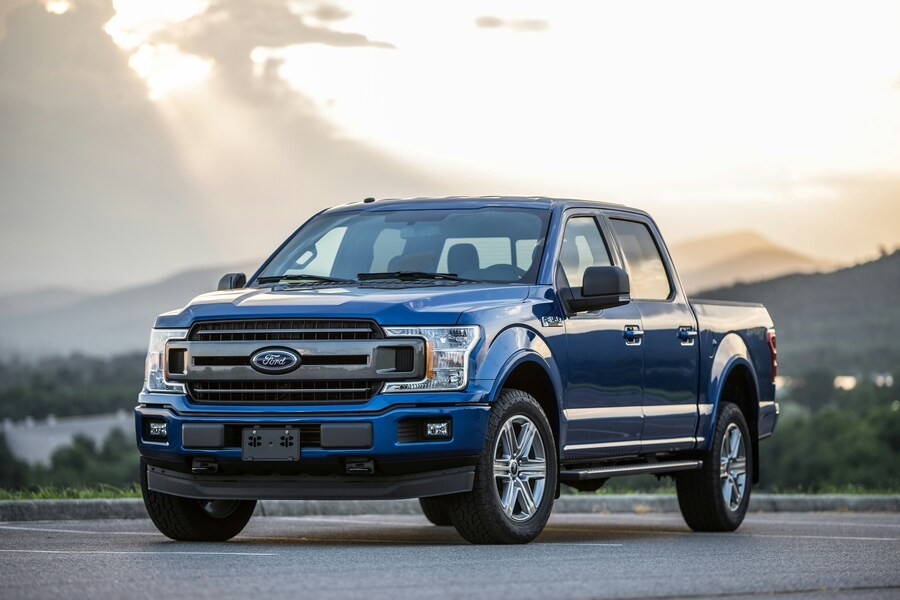
The 6.4L Powerstroke holds a legend status in the diesel world. High torque. Strong bottom end. It pulls like a beast. But that power comes with a catch. The engine was born during an era of tightening emissions standards. To comply, Ford engineered a complicated exhaust gas recirculation system.
Here is the truth about that system. It recirculates exhaust gas into the intake manifold to lower combustion temperatures. That lowers NOx emissions. It also pumps soot and carbon directly into the heart of the engine.
Soot accumulates over time. It clogs the intake manifold. It fouls the EGR cooler. It coats the valves. Airflow gets choked. Performance tanks. Reliability takes a nosedive.
This is exactly why so many 6.4 owners opt for a 6.4 Powerstroke EGR delete. The goal? Stop soot at the source. Keep the engine clean. Ensure longevity.
We need to look at how the factory system builds carbon. How removing it fixes the airflow issues. And what supporting mods are actually necessary to keep this engine running hard for the long haul.
The Mechanics of Carbon Accumulation in the 6.4L
The stock EGR system in the 6.4 is rough on the internals. It operates under most driving conditions, not just idle. Diesel combustion leaves soot residue.
Then there is the crankcase ventilation. Oil vapors get pulled back into the intake. Soot mixes with oil. They create a sticky, tar-like sludge. This gunk coats every intake surface. It accelerates wear on piston rings. It ruins valve guides.
The problem isn’t just one loop. The 6.4 uses both high-pressure and low-pressure systems.
The high-pressure loop taps exhaust gas before the diesel particulate filter (DPF). It sends raw, dirty soot into the intake charge.
The low-pressure loop takes gas from after the DPF. That gas should be cleaner. But the low-pressure EGR cooler runs cool. Over time, even cleaner exhaust can cause clogging.
When that cooler gets choked, it stops cooling. If it cracks, coolant leaks into the exhaust or intake stream. The intake manifold on the 6.4 is notorious for heavy deposits. Airflow plummets. Efficiency dies.
Warning Signs Your Engine Is Suffocating
Ignoring early symptoms costs money. Catching issues early saves your wallet. What should you look for?
- Fuel economy drops. As clogs tighten up, airflow restricts. The air-fuel ratio gets skewed. The engine burns more diesel to make less power.
- Rough idle. The engine might shudder or hesitate.
- Poor acceleration. You might feel weakness when merging or towing.
- Black smoke. Incomplete combustion due to low airflow causes visible black exhaust.
- Check Engine Light. Codes like P0401 or P0404 appear frequently. These signal low EGR flow or performance issues.
Severe cases bring a sweet smell to the cabin. That points to coolant leaking from a cracked cooler. You might see white smoke puffing from the exhaust. Do not wait. Fix these problems immediately.
How Removing the EGR System Clears the Blockage
An EGR delete for Ford 6.4 kits work by physically removing the valve and cooler. They install block-off plates on the exhaust and intake ports. This seals off the exhaust gases from the intake charge.
No soot source means no carbon buildup.
The engine breathes cleaner, cooler air. Clean air is essential for complete combustion. With the restriction gone, throttle response improves. Power output usually goes up. The turbocharger spins more freely.
You also remove a notorious failure point. EGR coolers leak. They fail. Removing them boosts overall reliability. For many truck owners, this modification is the smartest investment they make.
Essential Supporting Upgrades for Reliability
The delete is a start. But it needs backup.
Custom Tuning is non-negotiable. A quality tuner adjusts fuel maps and transmission shift points for the new airflow dynamics. It disables the ECU’s monitoring for the removed EGR components. This prevents false trouble codes from lighting up the dashboard.
Exhaust System Upgrades help too. An aftermarket downpipe or muffler delete reduces backpressure. It can lower exhaust gas temperatures (EGTs). Note that deleting the DPF carries legal risks. Check federal and local emissions laws in your area before proceeding.
Upgraded Oil Coolers are often overlooked but critical. Proper oil temperatures are vital for the variable geometry turbo (VGT). Cooler oil extends turbo life and protects other engine internals.
Installation Reality and Ongoing Maintenance
Swapping out an EGR system on the 6.4 is a big job. You must remove the entire intake manifold to scrape out years of black sludge. The EGR valve and cooler come out with it. It takes time.
Most people take this to a diesel shop. If you DIY, get the right tools. Read the instructions twice. Torque every fitting to spec. A loose clamp causes leaks.
Maintenance becomes easier post-installation. The intake air stays clean. The engine oil stays cleaner for longer intervals. Use high-quality synthetic diesel oil. Change it regularly.
You stop cleaning EGR valves. You stop worrying about cooler cracks. Your life gets simpler. Just keep your tune updated. Use an OBD2 monitor to watch engine parameters.
The Bottom Line on Longevity
The factory EGR system on the 6.5 Powerstroke was a design that prioritized emissions over longevity. It causes soot buildup. It kills performance. It leads to expensive repairs.
Taking action early pays off. An EGR cooler delete removes the root cause of the contamination. It keeps the intake charge pure. It restores the engine’s breathing.
Is it legal everywhere? No. But is it the only way to keep a 6.4 alive for 300,000 miles? Probably. The soot keeps coming. Eventually, the engine drowns in it. Or you stop the flow now.


