The VIN is the car’s fingerprint. It lives on the title, the insurance papers, and stamped into the metal itself. You hand that twelve-digit code to CARFAX, and you expect a complete story. You don’t. You get a puzzle with missing pieces.
Think of it like a credit score. It shows your history, sure. But it doesn’t show every single transaction you’ve ever made in cash. It doesn’t show the late night repair shop down the street that didn’t report to a database. A CARFAX report is powerful. It is not omniscient.
What Data Actually Gets Included
When you pull a report, you are looking at a aggregation of records. It is not a single source of truth. It is a mirror of what institutions decided to report.
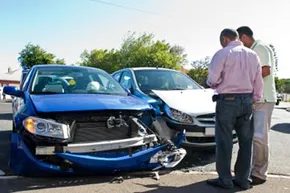
The report will list previous wrecks. It notes if airbags deployed. It tracks odometer readings to catch rollbacks. It flags title issues. If a car was flooded, burned, or branded as salvage by the DMV, it shows up. It tracks lemon laws, too. If a dealer bought back a car for major defects, that stain remains on the record.
Ownership history is transparent. You see the number of owners. You see how long each person held the wheel. You know if it was a rental fleet vehicle or a corporate lease. Service records might appear. Maybe just oil changes. Maybe major engine work. Warranty status is often included, telling you if the manufacturer’s coverage is still active.
For some makes and models, you even get general rankings. Crash-test results. Safety recalls. Reliability ratings. It gives context to the specific machine.
CARFAX can only pass along information that has been provided to it. If no record ever passes to CARFAX, it won’t pass on to you.
The Source of the Data
Where does this come from? It is not magic. It is bureaucracy.
All fifty state DMVs provide records. Many Canadian provinces do, too. But the DMV is only one node in the network. CARFAX pulls data from collision repair centers. Insurance companies feed in claims data. Rental agencies report fleet turnover. Fire departments and law enforcement log incidents. Dealerships, import/export firms, auction houses, and state inspection stations all contribute to the pool.
It is a massive ingestion engine. And like any ingestion engine, it has blind spots.
The Auction House Loophole
For years, there was a gap. A big one.
A CBS Atlanta investigation found dealers selling previously wrecked cars as clean vehicles. How? The damage was discovered at auction houses. Most used cars pass through auctions at some point. Mechanics there saw the damage. They knew the truth. But that truth didn’t always make it into the public record.
CARFAX responded. They started partnering directly with auction houses. Now, information from those inspections is included in the reports. It is a step forward. It closes a hole. But it doesn’t plug the entire dam.
The Limitation of the Report
Even with these partnerships, there is a hard limit. CARFAX does not guarantee comprehensiveness. They do not accept liability for missing data.
If a mechanic fixes a car in their driveway and bills you in cash, that history does not exist in the digital ecosystem. If an insurance company delays filing a claim, the report might show a clean title until that delay resolves. If a small repair shop doesn’t report to a central database you haven’t looked, you won’t see it.
You can trust the data that is there. It is usually accurate. But you cannot trust that it is everything.
A VIN check is a starting point, not a conclusion. You still need to look at the car. You still need to bring a mechanic who smells trouble. The report gives you facts. It does not give you guarantees.
And sometimes, the silence in the data is louder than the noise.