
The era of easy money is cooling off. Automakers have pulled back on those dizzying zero-percent and low-rate financing offers that once flooded showrooms. Consequently, some of the most attractive lease deals have evaporated. Still, leasing isn’t dead. It remains a viable path for drivers who want to avoid the long-term commitment of ownership.
Look at the numbers. Half of all luxury vehicles on the road today are leased. Overall, more than 20 percent of new cars leave the lot on a lease agreement. The practice persists because it solves specific problems for specific buyers.
Should You Buy or Lease a Car?
For the average consumer, the math is usually against leasing if your goal is long-term savings. If you plan to drive a car for five, seven, or ten years, buying is almost always cheaper than leasing a new vehicle every two or three years. You eventually own an asset. With a lease, you are renting depreciation.
However, many drivers don’t care about total cost of ownership. They care about monthly cash flow and lifestyle. Some are perfectly content to lease a high-end vehicle they could never qualify to buy outright. They trade equity for lower monthly payments and the ability to drive a premium car.
There are two main reasons this model survives:
- Predictable Maintenance: A leased car is almost always under the manufacturer’s warranty. You drive a newer model. You seldom need major repairs. Routine maintenance covers oil changes and tire rotations. That’s it.
- Upgrade Frequency: You can drive a larger, better-equipped, and more luxurious car than you might otherwise purchase. You swap it in every few years.
Dealerships love this dynamic. Customer loyalty rates for lessees are roughly three times higher than for buyers. When your lease ends, you are often back in the same showroom looking at the next new model.
What You Need to Know About Leasing a Car
Leasing is basic arithmetic. It is not magic. It is a contract based on specific financial variables. To evaluate whether you should lease, you need to look at the numbers.
Start with the total initial payment. This includes your down payment (often called a capitalized cost reduction), acquisition fees, first month’s payment, and any other upfront charges. Next, look at your monthly payment. This is determined by the negotiated selling price, the residual value (what the car will be worth at the end of the lease), and the money factor (the lease equivalent of an interest rate).
You must also consider the lease term. Most leases run for 24 to 36 months. Longer terms mean lower monthly payments but higher total costs and more risk. Finally, account for end-of-lease charges. These can include excess mileage fees, wear-and-tear charges, and disposition fees.
Shopping for a lease requires the same diligence as buying. You need to understand the residual value. A higher residual value means your monthly payment will be lower. Why? Because you are only paying for the portion of the car’s value that you “use up” during the lease. If the car holds its value well, your monthly cost drops.
How to Negotiate a Car Lease
Many shoppers think lease prices are fixed. They are not. The cost of leasing is negotiable, just like a purchase price. Dealerships often present the “monthly payment” as the primary number. This is a trap.
Focus on the capitalized cost. This is the agreed-upon selling price of the vehicle. The lower this number, the lower your monthly payment will be. Negotiate the price of the car first. Then, and only then, talk about the lease terms. If you negotiate the payment directly, the dealer can manipulate the capitalized cost, the money factor, or the residual value to hide a bad deal.
Before you sign anything, read the fine print. Understand every clause. What happens if you exceed the mileage limit? What counts as excessive wear and tear? These details can cost you thousands of dollars at lease end.
Car-Leasing Glossary
Confused by the jargon? You’re not alone. Leasing has its own language. To make an informed decision, you need to speak the dialect.
- Capitalized Cost: The negotiated price of the car.
- Residual Value: The estimated worth of the car at the end of the lease.
- Money Factor: The interest rate expressed as a decimal. Multiply by 2,400 to get the approximate annual percentage rate.
- Mileage Allowance: The maximum miles you can drive each year without
The Hidden Costs of Leasing
Leasing isn’t a one-size-fits-all solution. It’s a financial tool that clicks for people who deduct their vehicle as a business expense. If your car is a write-off, nearly all leasing costs go to the IRS. But if you’re driving for fun, look closer.
There’s no equity at the end. You walk away with nothing. This forces you to buy or lease again. For some, that’s a feature. For others, it’s a trap.
Mileage matters. Most leases cap you at 12,000 to 15,000 miles a year. Go over? You pay. It can cost 25 cents per extra mile. That adds up fast. You can buy extra miles upfront, usually at a discount. Know your commute before you sign.
Wear and tear is real. Leased cars must come back pristine. No dents. No deep scratches. No torn seats. If you’re hard on cars, buy. Excessive wear fees can be steep. You’re renting, not owning. Treat it like a rental car.
Life changes. If your financial future is shaky, lease is risky. Leases are binding. Breaking them is expensive. You might find a buyout option if you want a newer car, but just getting out? That costs a lot. The fees are designed to keep you in.
Leasing vs. Buying: The Numbers Game
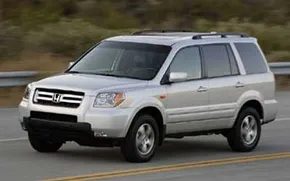
Let’s look at the math. We’re comparing a 2006 Honda Pilot EX AWD.
The Setup:
* Loan: 36 months at 6.75% interest.
* Lease: 36-month Honda-underwritten contract.
* Location: Chicago area, July 2006.
* Note: Taxes and licensing excluded. Trade-in values from Edmunds.
Price:
Both start at $33,595. Leasing doesn’t change the sticker price. Negotiate hard. In this example, we use retail. It’s close to market reality.
Down Payment:
* Lease: $2,000 (includes first month’s payment).
* Purchase: $6,719 (20% down).
Advantage: Lease. If cash is tight, leasing looks better. Good loan rates often require 20% down. Trade-ins help buyers, but lessees don’t have that leverage.
Monthly Payment:
* Lease: $359.
* Purchase: $825.
Advantage: Lease. You’re paying for depreciation, not the whole car. Many people stretch loans to 60 months to lower payments. That costs more in interest. Leases over 36 months are rare, so the comparison stays tight here.
Total Spent After 36 Months:
* Lease: $14,565.
* Purchase: $36,419.
Advantage: Lease. You keep more cash in your pocket. The buyer spent 2.5x more.
Residual Value:
* Lease: $0.
* Purchase: $23,701.
Advantage: Purchase. You own an asset. That $23,701 is equity. Use it as a down payment next time. Lessees have nothing.
Real Cost:
* Lease: $14,565.
* Purchase: $12,718 ($36,419 spent minus $23,701 value).
Advantage: Purchase. The buyer is nearly $2,000 ahead. Leasing saved upfront costs, but buying saved money in the long run.
Before you sign anything, you need to know the fine print. The next section covers what most people miss.
The Arithmetic of Leasing
Leasing isn’t renting. It’s closer to financing the depreciation. You aren’t paying for the whole metal box. You’re paying for its time on your driveway. Two years? Three? Maybe five if you’re feeling risky.
The math is brutal in its simplicity. You need four numbers.
- Total initial cash: Capital Cost Reduction (the down payment) plus fees.
- Monthly payment amount.
- Term length in months.
- End-of-lease penalties or fees.
Your monthly bill is just the difference between the car’s transaction price (capitalized cost) and what the bank thinks it’s worth later (residual value). That gap is financed at a specific interest rate. They call it a money factor. Sometimes a lease charge. Same math.
Down payments are lower. Monthly bills are lower. That’s the hook. You get a better car for less cash up front. Sometimes just the first month and a security deposit gets the keys in your hand. Other times, dealers demand a massive down payment. It varies.
Credit score dictates the terms. The glossy TV ads? Those are for pristine credit histories. Average credit? Expect higher monthly payments or a bigger down payment. Bad credit? No lease. Period.
When the term ends, you hand the keys back. No trade-in headaches. No private party sales. If the car isn’t totaled or abused, you walk away owing nothing. You own nothing. Ever. You can buy the car at a predetermined price if you want it. Usually, that’s a bad deal financially. Buying outright later is cheaper. Always check the math.
Shopping for a Lease Deal
Shop like you’re buying. Compete for your business. One dealer might kill the down payment. Another might lower the monthly rate. A third will sit on their hands.
Compare apples to apples. A low monthly payment with a huge down payment might cost more overall than a higher monthly payment with zero money down. Total cost matters. Now and later.
New car dealers are the obvious starting point. But lease brokers often beat franchise dealers. They lease multiple brands. They have leverage. Some banks and credit unions offer consumer leases too. Don’t ignore them.
If you lease through an in-house finance company like Ford Credit, you can usually return the car to any dealer of that brand. This isn’t guaranteed with brokers or independent leasing companies. Ask before you sign.
Negotiation is where the real money is made or lost. We’ll get into the tactics next.

The price tag on a lease isn’t set in stone. Like buying a car, you can haggle. Lowering the capitalized cost directly reduces your monthly payments. To keep those payments low, target models with strong resale values. Check historical data using used-car pricing guides or ask your bank’s loan department to compare residual values across different new vehicles.
Finding High-Residual Vehicles for Leasing
Libraries often stock the Residual Percentage Guide from the Automotive Lease Guide. This monthly publication breaks down how much a vehicle is expected to be worth after a set number of months, expressed as a percentage of its original selling price. It highlights which cars hold value best—prime candidates for leasing. Stay away from models with low residual values; they make lease terms significantly more expensive.
Manufacturers sometimes try to move specific models by subventing leases. This means they set artificially high residual values to lower monthly costs and boost sales. Automakers took heavy financial losses from this tactic, so it’s far less common now. They’re more cautious with residuals today. Still, check advertising for the lowest-cost deals. Some promotions rely on tempting interest rates to attract buyers.
Decoding the Lease Contract Fine Print
Read every line before signing. Federal law mandates disclosure of specific facts in lease agreements:
- Capitalized cost
- Interest rate
- Up-front fees and taxes
- Credit for trade-ins
- Vehicle residual value
- Depreciation amount
Most leases include an acquisition fee, usually between $250 and $450. A disposition fee likely adds another $300 or $400 when you return the car. Some contracts also feature a purchase-option fee, letting you buy the vehicle at the end of the term for a set price.
Look closely at the definition of “excessive wear and tear.” The contract should detail what counts as excess and what charges you might face at lease end.
Gap insurance (guaranteed asset protection) is often offered if not already included. It covers your remaining lease payments if the car is totaled or stolen. It’s not always required, but many lessees prefer having that safety net.
Customizing your vehicle is generally off-limits. Most leases ban aftermarket accessories like vinyl tops, exterior trim, and trailer hitches. Ask before installing anything. You’ll typically pay sales tax, annual registration fees, maintenance, and insurance. The contract should specify which costs roll into your monthly payment and which you pay separately. Some states allow non-negotiable dealer fees. Others can be challenged.
The final section usually contains a glossary. Keep it handy if you’re new to leasing. It clarifies terms you’ll see throughout the agreement.
Why Residual Value Matters More Now
With subvention rare, residual value drives lease costs. High residuals mean lower depreciation charges. Lower depreciation means smaller monthly bills. Low residuals do the opposite. They inflate your payments.
Manufacturers learned this the hard way. Artificially high residuals created losses. Now, they set more realistic values. This makes choosing the right model critical.
Check the Automotive Lease Guide monthly. Compare residuals across models. Pick the highest residual vehicle that fits your needs. It’s the most reliable way to minimize lease costs.
Some deals still look too good to be true. They might be. Verify the residual value independently. Don’t trust the manufacturer’s marketing alone.
What happens if you ignore the fine print? You might face surprise fees. Or excessive wear charges. Or non-negotiable dealer add-ons. Read the contract. Question unclear terms. Negotiate where you can.
Leasing isn’t just about the monthly payment. It’s about the total cost of ownership over the term. Factor in fees, taxes, and potential penalties. Calculate the real expense.
Some people lease for the convenience. New car every few years. No hassle with selling. Others lease for the tax benefits. Business owners often find this advantageous.
Regardless of your reason, knowledge protects you. Understand the terms. Know your rights. Drive away with confidence.
The market shifts. Manufacturers adjust strategies. Residual values change. Stay informed. Check guides regularly. Adapt your approach.
One thing’s certain: leasing can be smart. If you know what you’re doing. If you pick the right car. If you read the fine print. If you negotiate the price.
Otherwise, you’re just paying for the privilege of driving someone else’s car. And that’s expensive.
The Hidden Fees and Fine Print You Can’t Ignore
Leasing isn’t just about signing papers and driving off. It’s about understanding the financial machinery humming beneath the hood. Skip the glossary, and you might walk away owing thousands you didn’t see coming.
Start with the acquisition fee. It sounds administrative, like a filing cost. It’s not. It’s a charge for processing the lease. Don’t bother trying to haggle it away. Most lessors treat it as non-negotiable. It’s baked in.
Then there’s the capitalization cost. This is the big number. The total price of the vehicle used to calculate your monthly payment. Think of it as the purchase price. If you can’t lower the cap cost, you’re paying interest on a higher number. That’s a leak in your bucket.
To plug that leak, look at cap cost reduction. This is your down payment on a lease. Pay more upfront, and your monthly bill drops. Trade in a truck? Its value counts here. But be careful. A smaller reduction means higher monthly payments. It’s a cash-flow trade-off.
Most people sign a closed-end lease. The residual value is fixed at the start. You know the endgame. If the car is worth less than expected when you return it, you walk away. No surprise bill. This is the standard model for a reason. It removes the guessing game from depreciation.
Dealers want your signature. They’ll offer dealer participation. This is a contribution to lower the vehicle’s price. It gets applied as a cap cost reduction. It’s a sweetener. Take it. It’s money they’re willing to spend to win your business.
Speaking of value loss, that’s depreciation. The gap between the original price and the residual value. You won’t see a depreciation line item on your contract. It’s hidden in the residual value calculation. But it’s the engine of the lease. You’re paying for the car’s decline in value over time.
When you’re done, you’ll face the disposition fee. A charge for preparing the returned vehicle for resale. It’s an exit tax. Pay it at the end of the term.
What if you bail early? The early termination fee is a penalty. It’s hefty. Why? Because a car loses value fastest in the first few years. Ending a lease early steals the lessor’s expected earnings. They charge you to make up the difference. Don’t do it unless you have to.
At the end of the lease, you have a purchase option. You can buy the car for a pre-agreed price. This is your end-of-lease purchase price. If you love the car, this is your chance to own it. If not, you return it.
But watch the mileage. The excess mileage charge applies if you drive more than the limit. Usually 12,000 to 15,000 miles a year. The rate? Typically 15 cents per mile. Sometimes more. If you’re a long-distance driver, negotiate a higher annual limit or a lower per-mile rate before you sign. Better to pay a bit more monthly than a fortune at the end.
Then there’s the condition of the car. Excess wear-and-tear. Normal wear is fine. Scratches. Small dents. But significant body damage? Evidence of poor maintenance? That triggers repair charges. You’ll pay for the damage. Keep the car clean. Follow the maintenance schedule.
Insurance is another trap. Your standard auto policy usually covers the leased vehicle. But if the car is totaled, your insurance pays the cash value. What if you still owe more on the lease? That’s where gap insurance comes in. It covers the difference. The gap between the car’s value and your lease balance. Some leases include it. Most don’t. Check your policy.
The lease term is how long you keep the car. 24 or 36 months is standard. 12-month leases exist, as do 60-month ones. Longer terms mean lower monthly payments but higher total cost over time. Shorter terms mean higher bills but less depreciation risk. Choose based on your driving habits.
Let’s clarify the parties. You are the lessee. The dealer or financial institution is the lessor. Simple.
You pay a monthly payment to the lessor for the duration of the term. That’s it. No principal. No equity building. You’re renting with a buy option.
You might also put down a security deposit. Usually refundable. It’s held until the lease ends. If you wreck the car or exceed mileage, it gets deducted. If you’re good, you get it back.
Sometimes you’ll see a subvented lease. The manufacturer subsidizes the deal. They absorb part of the cost. How? Low interest rates. Higher-than-normal residual values. Special discounts. These are the sweet deals. The ones that make leasing cheaper than financing. Hunt for these.
Why the Residual Value Matters More Than You Think
The residual value is the predicted worth of the vehicle at the end of the lease. It’s usually a percentage of the original price. 24, 36, or 48 months out. This number drives your payment. A higher residual means a lower payment. You’re only paying for the depreciation.
If the residual is high, the car holds value well. Luxury brands often have strong residuals. You pay a premium upfront, but the monthly cost is lower. Economy cars depreciate faster. Lower residual. Higher monthly payment.
This is why subvented leases are attractive. The manufacturer artificially inflates the residual value. You pay less per month. The manufacturer eats the difference. It’s a marketing cost. A way to move metal.
But don’t get greedy. High residuals can be risky. If the market shifts, and the car’s actual value drops below the residual, you might be stuck with a lease you can’t walk away from easily. The numbers have to make sense.
Is Leasing Actually Smarter?
You know the terms now. The fees are clear. The risks are mapped.
Does leasing make sense for you?
It depends on what you want. Lower monthly payments? Leasing wins. Driving a new car every few years? Leasing is built for that. No repair bills after warranty? Lease wins.
But if you want to own the asset? If you drive 20,000 miles a year? If you modify the car? Leasing is a trap. You’ll pay penalties. You’ll waste money on fees.
For most people, the math is seductive. Small check. New car. No hassle. But the hidden costs add up. The acquisition fee. The disposition fee. The excess wear charges. The gap insurance premium.
Read the contract. Every line.
The lessor is in business to make money. You’re the product. Understand the mechanism.
Don’t let the smooth monthly payment blind you to the exit costs.
The road ends when the lease does. Make sure you know what you’re paying to stop.