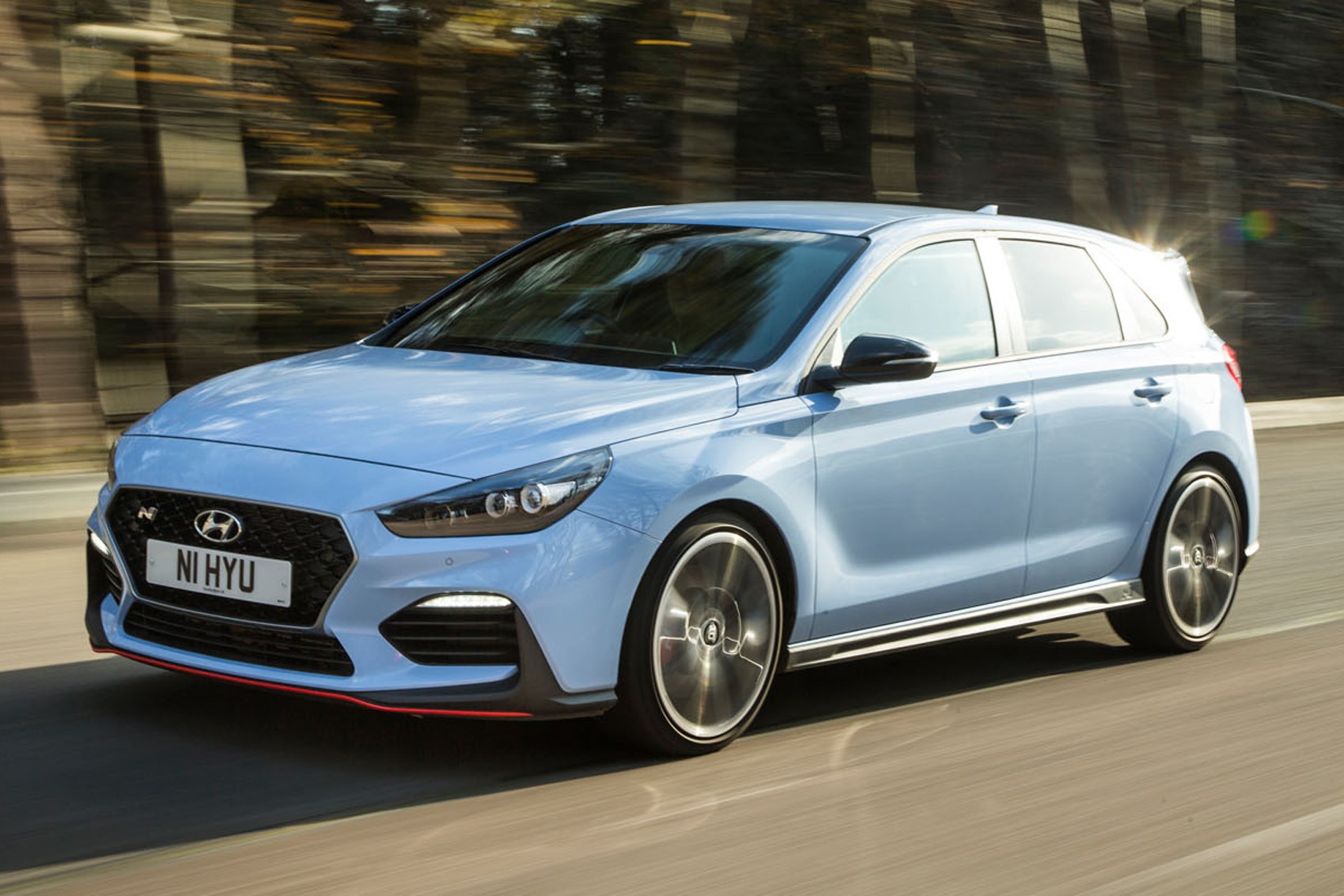
Hyundai has officially entered the high-stakes arena of performance hatchbacks with the i30 N. Rather than releasing a mere cosmetic upgrade, the brand has demonstrated a deep commitment to engineering, utilizing specialized components and hardware designed to satisfy serious driving enthusiasts.
While it may not yet reach the absolute pinnacle of the segment, the i30 N represents a significant leap for a brand traditionally viewed as a mainstream manufacturer.
Engineering and Performance: Power vs. Precision
At the heart of the i30 N is a 1998cc turbocharged Theta GDI petrol engine. In its Performance Package configuration, it delivers a robust 271bhp and up to 279lb ft of torque (on overboost).
To understand how this stacks up against the competition, consider the following:
– The Speed: It achieves a 0-60mph sprint in approximately 6.4 seconds, making it a formidable contender for the sub-£28,000 price bracket.
– The Competition: While it outclasses the Volkswagen Golf GTI in raw power, it trails the Honda Civic Type R, which boasts over 300bhp. Additionally, the Golf GTI remains notably lighter.
– The Delivery: The engine provides ample torque, but its delivery can feel somewhat sudden. This “rush of boost” in the mid-range can make traction difficult to manage in lower gears, especially on damp surfaces.
The Driving Experience: Customization and Chassis
One of the i30 N’s greatest strengths is its extreme customizability. Hyundai has provided a suite of adjustable settings that allow drivers to tailor the car to their specific mood:
– Adaptive Suspension: Four distinct modes, ranging from the supple “Normal” to the “preposterously firm” N mode.
– Dynamic Controls: Drivers can adjust throttle response, steering weight, exhaust notes, and even stability control (which can be turned off entirely).
– Transmission: The six-speed manual gearbox is a highlight, offering precise, well-defined shifts that enhance the mechanical connection to the car.
However, the chassis tuning remains a point of contention. While the car is fast and engaging, the steering can feel inconsistent—alternating between heavy and inert—and the ride quality shifts drastically between modes, sometimes lacking a cohesive, polished feel.
Interior and Technology: Function over Form
If the mechanical engineering is ambitious, the interior is decidedly pragmatic. Reflecting a common trend in performance cars where budgets are heavily skewed toward the engine and chassis, the cabin features a high amount of monotone plastics.
Key Cabin Observations:
- Ergonomics: The layout is functional, though the driving position can feel slightly “perched,” and the distance between the brake and accelerator pedals is wider than ideal for traditional heel-and-toe shifting.
- Infotainment: The 8.0-inch touchscreen is a bright spot. It includes helpful physical shortcut buttons and supports Apple CarPlay and Android Auto, offering more standard features than many of its rivals.
- Atmosphere: The use of pale blue lighting and “Active Sound Design” (artificial engine noise through the speakers) can feel somewhat artificial, though the “Custom” mode allows drivers to mitigate this.
The Verdict
The Hyundai i30 N is a significant achievement for a brand that has emerged from the mainstream to challenge established performance icons. It offers immense speed and a high level of driver involvement for a relatively accessible price.
While the car lacks the refined chassis tuning and premium interior of its more expensive rivals, its mechanical ambition and sheer value make it a top-tier contender in the hot hatch market.
Conclusion: The i30 N is a fast, capable, and highly customizable driver’s car that successfully disrupts the segment, even if it still needs to refine its chassis harmony and interior refinement.