
Millions of vehicles clog our roads. Tiny commuters. Massive pickups. They look nothing alike. They serve different masters. But every single one shares two non-negotiables. An engine. Tires.
You can buy cheap rubber. You can drop serious cash on flashy 24-inch rims. The price tag varies wildly. But when it’s time to replace all four corners at once, the bill stings regardless of what you paid upfront.
Protecting that investment starts with how you drive. Hard acceleration. Braking that locks wheels. Cornering like you’re in the DTM. It shreds tread. Speeding heats the compound, breaking down the rubber from the inside out. Then there’s the environment. Curbs. Potholes. Logs. Rocks. You don’t even need a puncture to do damage. Constant scraping against concrete or slamming into road debris wears the sidewall thin. It’s a slow death for the tire. You’ll know it’s time to swap them out when you see bulges, scrapes, or uneven tread. Or when the car starts pulling, vibrating, or making noises it shouldn’t.
So how do you stretch the mileage? You monitor air pressure. You check alignment. You rotate the wheels. These are simple steps. They prevent premature failure.
Why proper inflation is key to tire longevity
Air pressure isn’t just a number on a sticker. It’s the foundation of how your tire performs and wears. Under-inflation is the silent killer. It causes the sidewalls to flex excessively as you roll. That flex generates heat. Heat degrades the internal structure. It leads to blowouts. It also wears the outer edges of the tread faster than the center.
Over-inflation is just as bad, though often ignored. The tire becomes rigid. It loses contact patch. You get harsh rides. And the center of the tread wears out while the edges remain fresh. Uneven wear means you throw away usable rubber. That’s wasted money.
Check your pressure monthly. Cold tires only.
Most drivers wait until the TPMS light flashes. By then, the damage is often done. You want to stay within the manufacturer’s recommended PSI. Not the max pressure on the sidewall. The door jamb sticker. That’s the target.
Keeping pressure stable ensures even wear. It improves fuel economy. It keeps the car handling predictably. Neglect it, and you’re burning through tires faster than necessary.
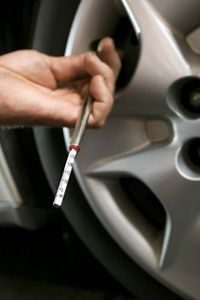
Why cold tire pressure checks matter more than you think
Stop guessing. Grab a gauge.
Most drivers haven’t touched the valve stems in months. If that sounds like you, your tires are likely soft. Under-inflated tires are the silent killers of rubber life. They don’t announce their presence with smoke or noise. They just wear out unevenly and quietly drain your fuel economy.
Check them once a month. Yes, it sounds like a chore. But here is the physics: tires lose 1 to 2 PSI a month naturally. That leak is slow, steady, and inevitable.
Do it when the rubber is cold. This isn’t a suggestion. It’s a requirement for accuracy. Drive just a couple of miles and the air inside heats up. It expands. The pressure reading spikes. You think you’re good. You’re not.
Wait until morning. Or wait three hours after your last drive. The air needs to settle. If you check when the tires are warm, you’re measuring heat, not pressure. Once you fill them to spec cold, you’ve left room for that thermal expansion on the highway.
Ignore this for six months? You’re driving on flat spots. More rubber touches the road. More friction. More wear. Your gas mileage tanks because the engine fights drag it shouldn’t have to endure.
Modern cars try to help. Tire pressure monitoring systems (TPMS) are now standard. The basic versions just flash a light—an exclamation mark inside a tire shape—when things get critically low. It’s a binary warning. Low or not.
Better systems give you numbers. Individual PSI for each wheel. No gauge needed. But even with that tech, manual checks catch slow leaks before the dashboard lights up.
Once the air pressure is dialed in, the geometry matters. Proper alignment keeps that tire tread wearing evenly. Misalignment shreds edges before the center wears down.
How alignment affects tire longevity
Air pressure is step one. Alignment is step two. They work together.
If your suspension angles are off, no amount of air pressure can save the tread. The tire drags. It scuffs. It fails prematurely.
Think of alignment as the tire’s posture. Good posture means even wear. Bad posture means you’re replacing a set of tires in 20,000 miles instead of 50,000.
It’s not just about saving money on rubber. It’s about handling. A car that pulls to the left or right isn’t just annoying. It’s unsafe. The steering wheel fights you. You correct. You overcorrect. The tires scrub.
Check your pressure first. Then check your alignment. Do both, and you get the most life out of the rubber. Skip one, and you’re paying for the other.
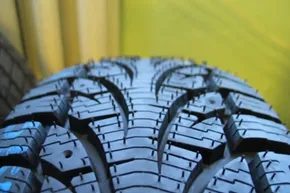
How to spot alignment issues before the shop does
Modern alignment racks look like something out of a sci-fi movie. Lasers, cameras, absolute precision. It’s impressive tech. But you don’t need a garage full of sensors to know if your suspension is drifting out of spec. You just need eyes and a driveway.
Start with camber. Stand directly in front of the car. Or behind it, if you’re checking the rear axle. Look at the angle of the tire relative to the fender. Are the tops of the tires leaning in toward the center of the car? That’s negative camber. The inner edge of the tread will eat itself away first. Now look for the opposite. Tops leaning out? Positive camber. The outer shoulder takes the beating. It’s visual. Immediate. No tools required.
Then check the toe. Imagine the tires are feet. The front edge of the contact patch is the toe. If the fronts of the tires on one axle are closer together than the rears, you have toe-in. Picture standing pigeon-toed. The outside of the tire wears down. Flip that dynamic. If the rears are closer together and the fronts point outward—like a ballet dancer in first position—you have toe-out. This specific wear pattern often looks like feathering. The tread blocks feel rough or sharp when you run your hand across them. It’s a distinct texture.
If you see these angles, or if the tread wear tells you the geometry is off, the car needs an alignment. It’s not just about saving rubber. It’s about keeping the car tracking straight. And while you’re paying for labor to get the angles right, consider the next step in tire maintenance.
Why rotating tires extends their lifespan
Alignment gets the angles right. Rotation keeps the wear even. Most drivers treat rotation as an afterthought. They wait until the tread is gone. That’s a mistake.
Tires don’t wear uniformly. Front tires on a front-wheel-drive car do more steering and driving work. They wear faster. Rear tires just roll along. If you never swap them, the fronts die while the rears still have miles left. Rotating moves the tires to different positions on the car. It distributes the load.
There are standard patterns. The front-to-rear swap is common. But many shops use a cross-pattern. Front tires go to the rear, but cross over to the opposite side. Rear tires move forward, staying on their original side. This works best on directional tires or those with specific wear characteristics. Check your owner’s manual. It usually specifies the rotation interval. Often it’s every 5,000 to 7,500 miles. Some high-performance cars with sticky summer rubber might need it sooner.
Don’t assume the tire shop will do it automatically. You have to ask. Or schedule it yourself when you buy new tires. Rotation costs little. It buys you thousands of miles. It’s the cheapest insurance policy for your rubber.
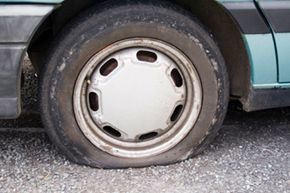
Rotate to stop curb rash and uneven wear
It’s common sense, but people still ignore it. Rotating your tires ensures they wear evenly. Even wear is the only way to squeeze every mile out of a set. Doesn’t matter if you’re running cheap all-seasons or high-end performance rubber. The physics stay the same.
You move the tires around. Front to back. Left to right. The positions change the stress patterns. Front-wheel drive cars chew up the front tires faster because they handle acceleration and most of the steering. Rear-wheel drive? The rears take the beating. Then there’s the road bias. You probably turn left more than right, or you park on the right side of the street constantly. That right rear tire gets scraped against curbs more often. We’ve all done it. Rotating spreads that abuse across the set. One tire doesn’t get martyred by your bad parallel parking.
Most manufacturers say rotate every 6,000 to 8,000 miles. That’s about 9,656 to 12,875 kilometers. Stick to that window. If you have a full-sized spare — not that useless space-saver donut hidden in the trunk — include it. Rotate all five tires. It dilutes the wear significantly. Your fourth tire doesn’t sit rotting while the others die. You get more life from the whole package.
Tires are cheap insurance. Neglect them and you pay more later. Follow the rotation schedule. Keep the pressure right. The tires will last.
Consistent rotation is the single most effective maintenance step for tire longevity.
Check the links below for deeper dives into tread depth, alignment specs, and seasonal swaps.